New Delhi:
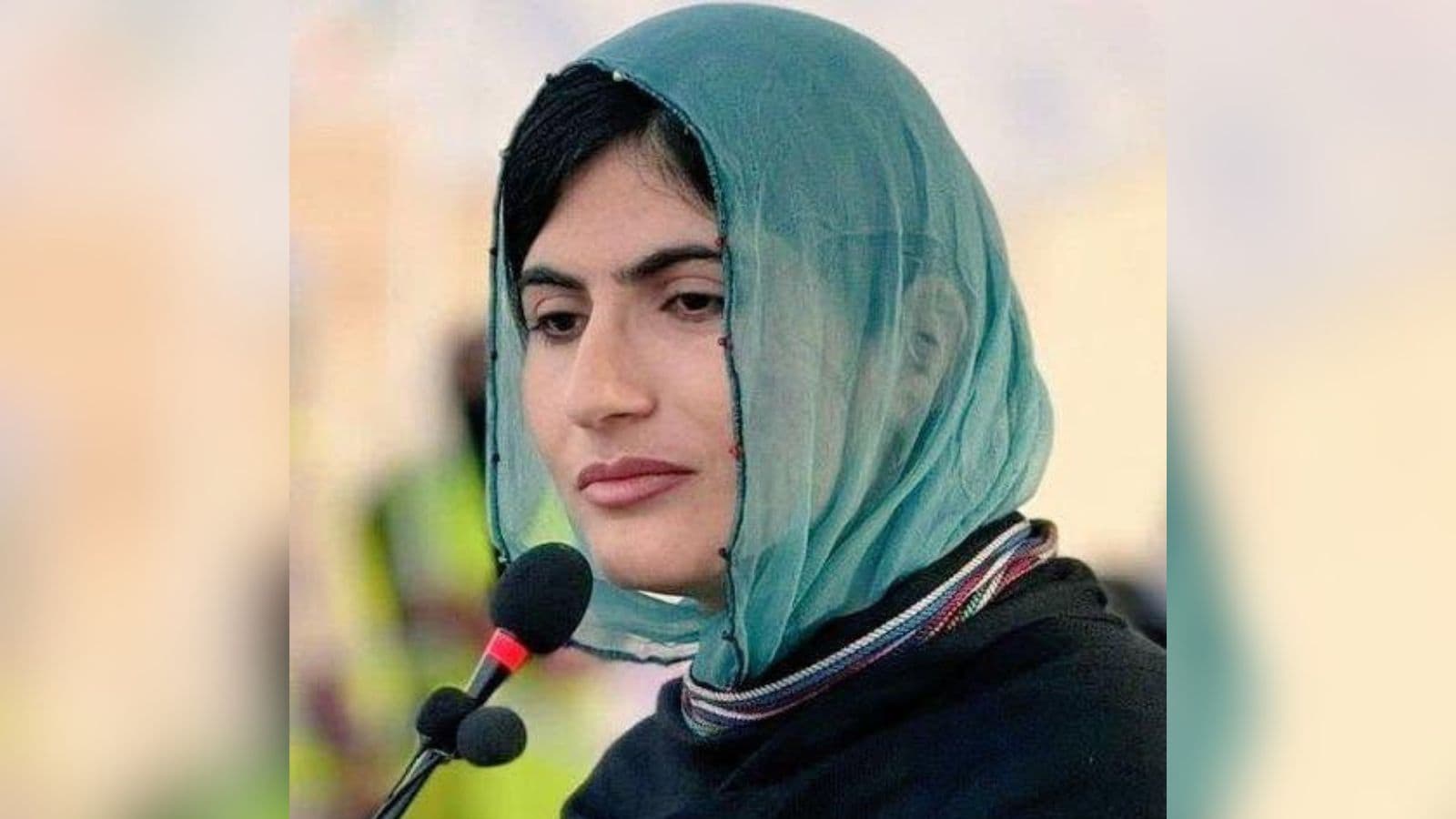
Baloch human rights activist Sammi Deen Baloch has issued a deeply personal open letter marking 17 years since the enforced disappearance of her father, Dr Deen Mohammad Baloch, renewing international attention on allegations of systematic abductions, custodial torture and impunity in Pakistan’s restive Balochistan province.
In an emotional appeal addressed to those responsible for her father’s disappearance, Sammi writes that after nearly two decades of uncertainty, her family deserves either his safe return or official confirmation of his fate.
“Maybe this year, you will let him come home. And if you have killed him, then perhaps this year you will finally decide that you owe us a death certificate instead of another adjournment,” she wrote.
Dr Baloch, a physician from Khuzdar district, allegedly disappeared on June 28, 2009, after being taken into custody. His whereabouts remain unknown. His family and rights groups accuse Pakistan’s security establishment – including the Pakistan Army and the Inter-Services Intelligence (ISI) – of involvement in enforced disappearances across Balochistan, allegations Islamabad has consistently denied.
Describing the lifelong trauma inflicted on families of the disappeared, Sammi recounts growing up without knowing whether her father is alive or dead.
“I was given disappearance. I was given denial. I was given humiliation. I was given the lifelong punishment of loving a father whom the state took,” she wrote, adding that while other children grew up with memories of their fathers, she inherited “petitions, batons, tear gas and posters.”
Sammi Deen Baloch, now general secretary of the Voice for Baloch Missing Persons (VBMP), has become one of the most prominent faces of the campaign against enforced disappearances in Balochistan. Over the past decade she has led protests, documented alleged disappearances, assisted families in filing legal petitions and campaigned internationally for accountability despite repeated arrests, surveillance and alleged harassment.
Coinciding with the anniversary, international human rights organisation Front Line Defenders reiterated its support for Sammi Deen Baloch and demanded that Pakistani authorities immediately disclose the fate and whereabouts of Dr Baloch. The Dublin-based organisation said his disappearance represents a broader pattern of impunity and called on Pakistan to investigate all cases of enforced disappearance and ratify the International Convention for the Protection of All Persons from Enforced Disappearance.
Front Line Defenders noted that Sammi Deen Baloch herself has allegedly faced repeated reprisals for her activism, including arbitrary detention, surveillance, house raids and a week-long enforced disappearance in 2016. She was also arrested by Karachi police in March 2025 during protests demanding justice for missing persons.
The open letter comes amid an intensified crackdown on Baloch rights activists.
Earlier this year, activist Dr Mahrang Baloch – another leading campaigner against enforced disappearances and alleged human rights abuses in Balochistan – was sentenced to life imprisonment by an anti-terrorism court in a case widely criticised by rights organisations and Baloch activists as politically motivated.
Human rights groups argued that the prosecution relied on questionable evidence and viewed the conviction as part of a broader effort to silence peaceful dissent and suppress voices demanding accountability from Pakistan’s security establishment. Islamabad has maintained that legal proceedings against Baloch activists are conducted under Pakistani law and rejects allegations of politically motivated prosecutions.
For years, Baloch nationalist groups, families of missing persons and international rights organisations have alleged that enforced disappearances have become a recurring feature of Pakistan’s counter-insurgency operations in Balochistan. Pakistan’s military and civilian authorities deny operating a policy of enforced disappearances, asserting that many missing persons have either joined militant organisations, gone underground or left the country voluntarily.
For Sammi Deen Baloch, however, the issue remains painfully personal. “My abba was not a file. He was not a rumour. He was Dr. Deen Mohammad – a doctor, a husband, a father,” she wrote. “He belonged to us before he was taken.”