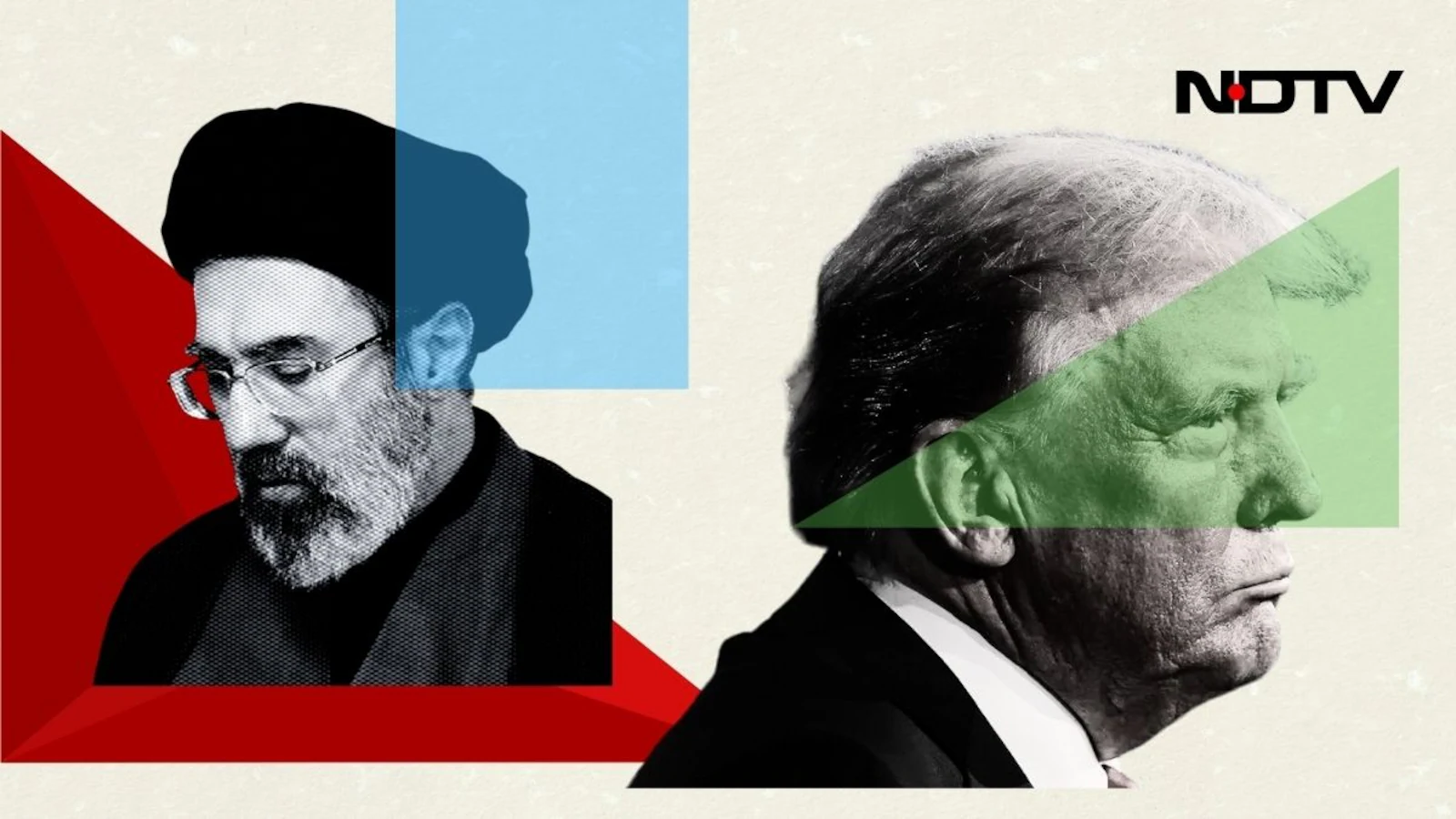
At the heart of the deal to end the Middle East war lies a $300 billion fund to rebuild and develop Iran — but so far it is unclear who will foot the bill.
Here’s what we know about the fund and its potential backers.
What’s In The Text?
The memorandum of understanding says Washington “undertakes with regional partners to develop a definitive mutually agreed plan with at least $300 billion for the reconstruction and economic development” of Iran.
“The mechanism for the implementation of this plan will be finalised as part of a final deal within 60 days. All required licenses, waivers, and permissions needed for the relevant financial transactions will be granted by the United States of America,” it added.
The text does not say who will contribute to the fund, which is only one of many economic incentives the Americans have dangled in front of Iran to encourage them to sign a definitive deal.
The text also states the end of “all types of sanctions” on Iran upon the signing of a final deal, with Washington immediately issuing waivers allowing Tehran to sell oil.
“I think the idea of mentioning this fund in the MOU is to show Iran all the carrots that are available if they abide by the MOU and show goodwill in negotiations moving forward,” said Anna Jacobs, a non-resident fellow at the Arab Gulf States Institute.
US Vice President JD Vance said Iran would only get the rewards if it proves it has complied with the terms that will be hammered out in the 60-day period, which he said began on Thursday.
Not A ‘Dime’ From US Taxpayers
US hawks have lambasted the Trump administration for giving too many concessions to Iran, and have described the fund as a boon that will embolden its theocratic government.
Influential senator Lindsey Graham compared the move, should the funds come from the West, to granting a Marshall Plan to Germany “with the Nazis still in charge” — in reference to the American aid package that helped rebuild Europe after World War II.
Vance said Iran will “never get a dime” from American taxpayers under the deal.
Experts and commentators say the regional nations mentioned in the text can be none other than Iran’s wealthy Gulf neighbours — targeted by thousands of Iranian drones and missiles during the war.
Will The Gulf Pay?
Gulf countries, divided over Iran in the aftermath of the war, have not confirmed they would invest in the scheme to rebuild their powerful neighbour — which has sought war reparations from the United States.
Iran desperately needs the funds, “so the hope is that the potential of greater investment longer term will help with further de-escalation”, Jacobs said.
“But the question is whether trust can be restored to allow for that.”
Asked about the fund last week, Saudi Foreign Minister Prince Faisal bin Farhan declined to comment on its details.
But he said that after Iran’s Gulf attacks, “we’re going to have to have a conversation on how we rebuild that trust, how we rebuild that relationship before any concept of economic cooperation, mutual investment or anything like that can rationally be addressed”.
Domestic investment is a priority for the kingdom, he added.
For Saudi security analyst and researcher Hesham Alghannam, the kingdom’s vision “is based on a clear hierarchy of priorities: security first, followed by confidence-building through verifiable guarantees, and finally, a transition to broader levels of economic cooperation”.
The UAE, which bore the brunt of Iran’s attacks, had repeatedly demanded Tehran pay reparations for the damage it caused — though it softened its tone in the weeks prior to the deal.
The UAE was also one of US-sanctioned Iran’s main trading partners, at least before the war.
Investing in Iran’s economy could provide leverage for the Gulf — but it would need guarantees that the funds would not be used to rearm Tehran and its proxies.
Vance has been trying to reassure allies about the separate issue of Iran’s frozen assets — which the deal pledges to “make fully available” — saying they would not be used to “finance terrorism”.
But the vice president said mediator Qatar along with Trump’s son-in-law Jared Kushner had come up with “a very interesting solution” for the frozen assets, with the US and Qatar having “approval over that process” of unlocking them.
Instead, if any Iranian assets were unfrozen, they would “go to make American farmers richer and to feed the Iranian people”, Vance said, adding that the money would be used by Iran to buy American soybeans, corn and wheat.
(Except for the headline, this story has not been edited by NDTV staff and is published from a syndicated feed.)