While creating wealth remains a significant achievement, preserving that wealth across generations ultimately depends on governance, stewardship, and the structures put in place to sustain continuity.
This was the central message from a panel discussion at the Lagos Private Wealth Conference 2026, where leading practitioners in fiduciary management, estate planning, and private wealth advisory examined the foundations of sustainable intergenerational wealth.
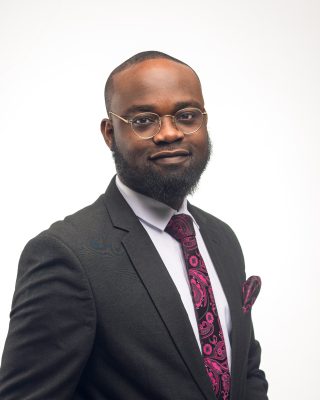
Speaking during the session titled Legal Structures Essential for Global Wealth Transfer, Managing Director of Coronation Trustees, Yemi Sadik, argued that the greatest risk to family wealth in Africa is not market volatility or economic disruption.
It is governance failure. Sadik noted that many African families already have governance systems in place through founders, trusted advisers, family companies, and long standing relationships.
However, these systems are often informal and heavily dependent on individuals rather than institutions. “Most African families already have some semblance of governance. The difference is that it is informal. Institutionalising that relationship is where the proper structure comes in,” Sadik said.
According to Sadik, informal governance often works effectively during the founder’s lifetime because decision making authority, family values, and institutional memory reside in a single individual. The challenge arises when leadership transitions occur and future generations are required to make decisions without the same governance framework.
He emphasised that trusts, private trust companies, and other fiduciary structures should be viewed as governance tools designed to organise family influence, strengthen accountability, and support long term continuity rather than as objectives in themselves. The discussion also explored the importance of separating personal wealth from business risk.
Panellists noted that many entrepreneurs continue to hold significant assets in their personal names, exposing family wealth to unnecessary liabilities.
Formal governance structures, they argued, provide an additional layer of protection while strengthening decision making discipline across generations.
Sadik added that estate planning is not reserved for the ultra wealthy. Individuals and families can begin building succession structures regardless of the size of their assets. The panel concluded that while wealth may be created by individuals, enduring prosperity is sustained through governance, stewardship, and institutional continuity.
As African wealth becomes increasingly global and intergenerational, families must focus not only on building capital, but also on building the structures capable of preserving it.