The true test of a society’s commitment to justice is not how it treats the powerful but how it protects its most vulnerable members. Few are more vulnerable than children, especially children who are alleged victims of sexual abuse. This is why the events that unfolded at a Magistrate Court in Owerri, Imo State on June 18, 2026 should concern every citizen who believes in the rule of law and the protection of children.
The case involves the alleged defilement of a seven-year-old girl from Nekede, Owerri West Local Government Area. Two elderly men, both reportedly members of their community’s Council of Elders, were arrested in May following allegations that shocked the community. According to reports, medical examinations conducted after the child’s rescue and intervention by law enforcement supported allegations of sexual abuse. The case attracted widespread public attention, not only because of the age of the victim but also because of the status of the suspects within the community.
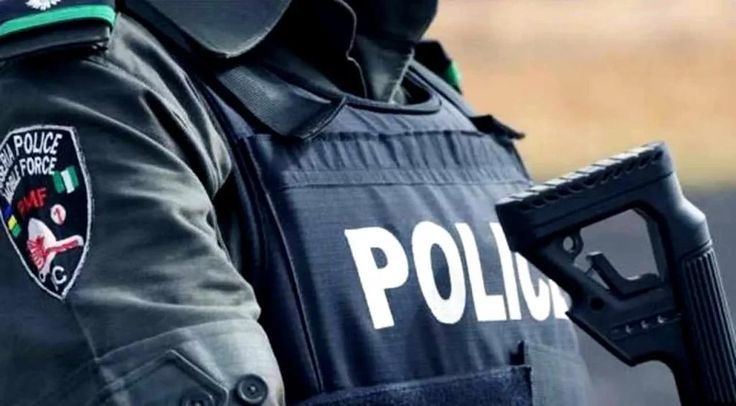
However, what transpired in court raises disturbing questions about the handling of the case by the Nigeria Police Force.
When the matter came up for arraignment, only one of the two suspects was produced in court. The other suspect, who had reportedly been arrested and detained alongside the co-accused, was nowhere to be found. More troubling was the absence of the Investigating Police Officer (IPO), who failed to appear before the court to explain the circumstances.
The court was reportedly displeased. The presiding magistrate declined to take the plea of the suspect who was present and ordered that the missing suspect be produced within 24 hours. The court also reportedly criticised the police handling of the matter, describing the conduct as lacking professionalism and due diligence.
These developments are deeply troubling.
When a suspect who has been publicly identified, arrested, and detained suddenly fails to appear in court without any explanation, legitimate questions arise. Where is the suspect? Why was he not produced before the court? Why was his name omitted from the charge? Why was the IPO absent? Why was the prosecutor left to rely solely on case files without adequate information about critical developments in the case?
These are not mere procedural questions. They go to the heart of public confidence in the criminal justice system.
The concerns become even more serious when viewed against allegations that have trailed the case since the suspects were arrested. Reports indicate that there have been attempts to pressure the victim’s family into accepting an out-of-court settlement. There are also allegations of threats directed at the family, fears of attempts to abduct the child, and reports of intimidation targeting the victim’s church and pastor.
Whether these allegations are ultimately substantiated or not, they underscore the need for law enforcement authorities to act with utmost transparency and professionalism. Any perception that influential suspects are being shielded from prosecution can severely damage public trust in the police and the justice system.
The Constitution guarantees the presumption of innocence for all suspects. Every accused person is entitled to fair treatment and due process. However, due process also requires that criminal investigations and prosecutions be conducted impartially, transparently, and without interference. The rights of suspects must be protected, but so too must the rights of victims, especially child victims.
The Imo State Police Command now has an opportunity to restore public confidence. The Commissioner of Police should urgently ensure compliance with the court’s directives. The whereabouts and status of the absent suspect must be clearly explained. Any circumstances surrounding his exclusion from the charge should be fully investigated. If there has been any misconduct, negligence, compromise, or external interference in the handling of the case, those responsible should be held accountable.
This case is bigger than the fate of the two accused persons. It is about whether vulnerable children can trust the institutions charged with protecting them. It is about whether justice can withstand social influence, intimidation, and manipulation. It is about whether the rule of law means the same thing for the powerful and the powerless.
For the seven-year-old girl at the centre of this case, justice must not only be done; it must be seen to be done.
The public deserves answers. The victim deserves justice. The law deserves respect.
And the police must demonstrate that no individual, regardless of status or influence, is above accountability.
. Nwanguma is Executive Director of the Rule of Law and Accountability Advocacy Centre (RULAAC)