… NCDC Says Infections Spread Across 23 States, 109 LGAs
…Ondo, Bauchi, Taraba Account For Bulk Of Confirmed Cases
Daud Olatunji
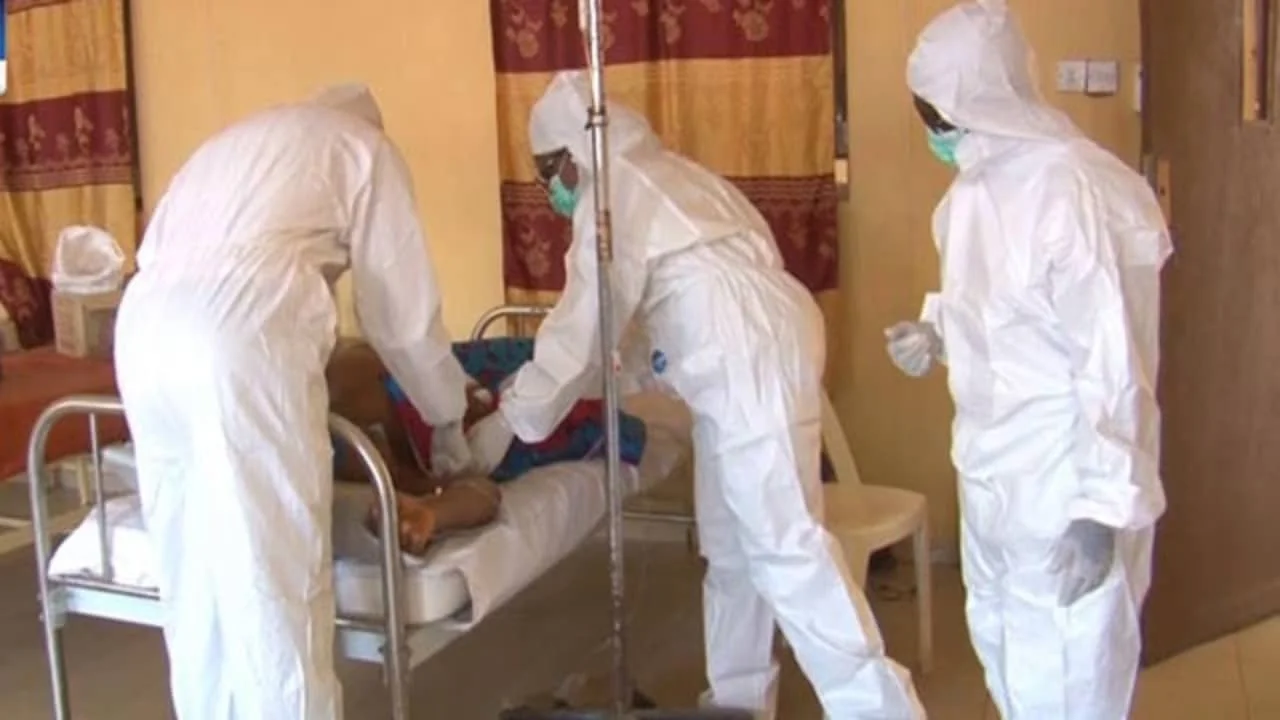
Nigeria has recorded 214 deaths from Lassa fever in 2026, as the case fatality rate rose sharply to 25 per cent, deepening concerns over the worsening impact of the outbreak across the country, according to fresh data from the Nigeria Centre for Disease Control and Prevention (NCDC).
The agency’s latest situation report showed that the viral haemorrhagic disease has continued to spread across multiple regions, with 855 confirmed cases emerging from 5,652 suspected infections recorded in 23 states and 109 local government areas.
Lassa fever, which is endemic in Nigeria, is transmitted mainly through contact with food or household items contaminated by urine or faeces of infected rodents. Health officials also warn that human-to-human transmission can occur, particularly in healthcare environments where infection prevention practices are inadequate.
The report indicated that infections remain heavily concentrated in a few states, with Ondo accounting for 28 per cent of confirmed cases. Bauchi followed with 25 per cent, Taraba 15 per cent, Edo 10 per cent, while Benue recorded six per cent. The remaining 16 per cent were distributed across 18 other states.
Overall, about 84 per cent of confirmed infections were recorded in just five states, underscoring persistent hotspots sustaining transmission of the disease.
The NCDC further noted that young adults remain the most affected demographic, particularly those aged between 21 and 30 years. The ages of confirmed cases ranged from one to 93 years, with a median age of 30 years.
It added that both suspected and confirmed cases have increased compared to the same period in 2025, while the case fatality rate has worsened significantly, rising from 18.9 per cent last year to 25 per cent in 2026.
For epidemiological week 23, Nigeria recorded 138 suspected cases and 13 confirmed infections across Edo, Ondo, Bauchi and Ebonyi states.
The agency said it has intensified response efforts, including enhanced surveillance, case management, and public sensitisation campaigns, amid warnings by health experts that delayed presentation to treatment centres and poor environmental sanitation continue to drive the outbreak.
FOLLOW US
FOR MORE HERE