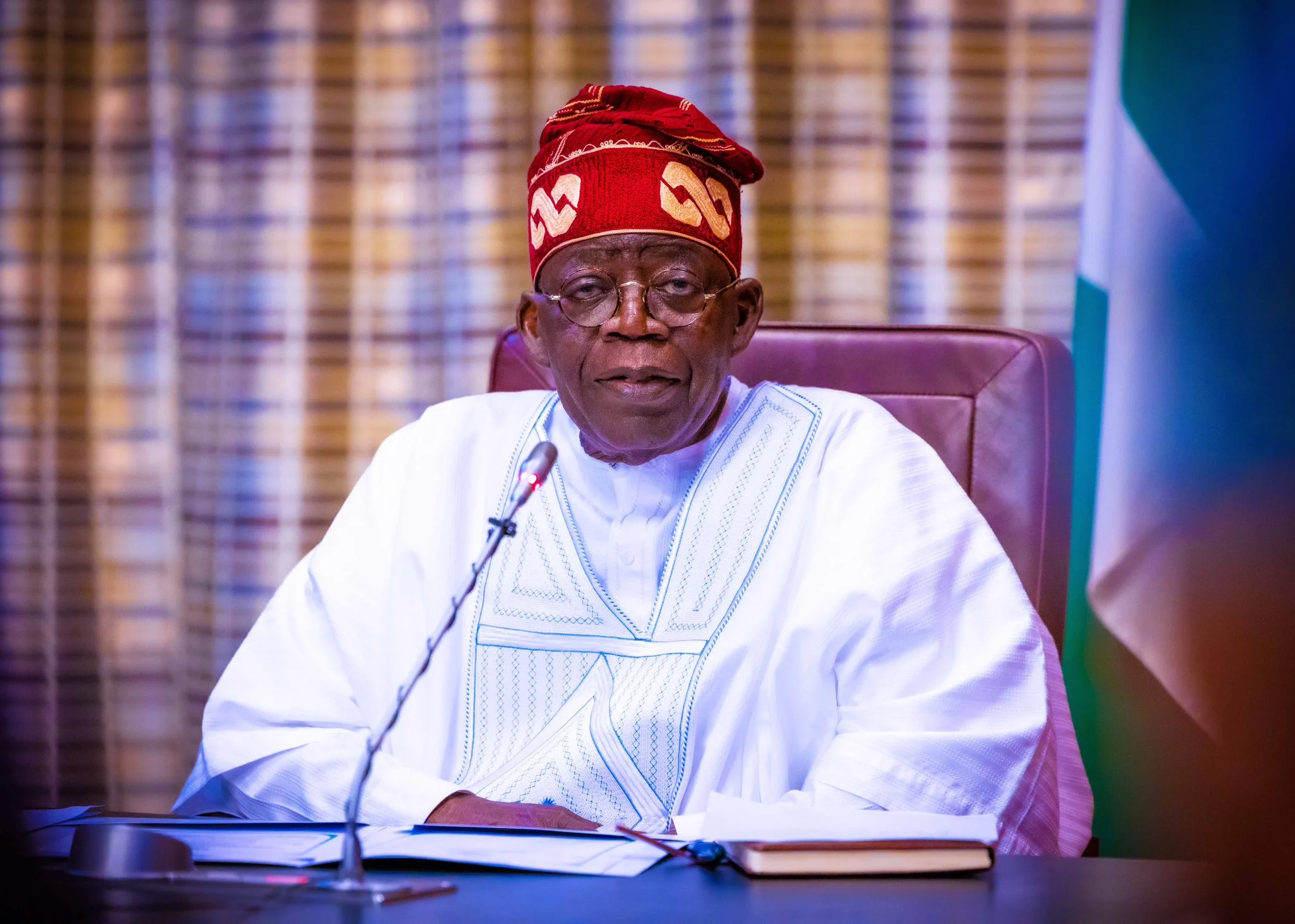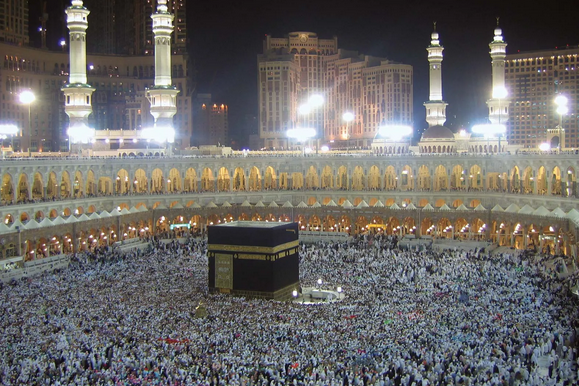
I participated in the 2026 Hajj exercise as a stakeholder nominee of Hajia Aishat Obi, NAHCON Commissioner representing the South-East, and writes from personal observation of the pilgrimage operations. The 2026 Hajj pilgrimage will remain one of the most memorable experiences for Nigerian pilgrims and stakeholders, not only for its spiritual significance but also for the remarkable improvement in organization, welfare delivery, and coordination witnessed throughout the exercise. From my firsthand experience, this year’s operation reflects one of the most efficient Hajj management performances in recent years.
Our delegation departed Nigeria on 13 May 2026 and returned on 5 June 2026 after the successful completion of all Hajj rites. From departure to return, the entire process demonstrated improved logistics, better coordination, and stronger oversight by the National Hajj Commission of Nigeria. The airlift operations were particularly well managed, with orderly departures and smooth returns that ensured pilgrims were treated with dignity and reduced stress.
As a stakeholder nominated through Hajia Obi, I was able to observe the entire process closely. I remain grateful for her role in facilitating my participation. She did not only nominate me but also supported me personally during a period when I faced financial difficulty in processing my passport. That intervention made it possible for me to undertake this journey and witness firsthand the improvements under the leadership of Ambassador Ismail Abba Yusuf, Chairman and Chief Executive Officer of NAHCON.
One of the most visible improvements this year was in accommodation arrangements. Pilgrims were generally housed in better-organized facilities, with improved access to essential services and more coordinated supervision. While Hajj operations naturally come with logistical challenges, the level of orderliness and responsiveness recorded this year was a clear improvement compared to previous years.
Food logistics also recorded significant progress. Feeding thousands of pilgrims daily is a complex task, yet meals were distributed more efficiently and on time. Pilgrims experienced fewer disruptions, and the overall system of food distribution reflected better planning and execution. This improvement contributed significantly to the comfort and wellbeing of pilgrims throughout the pilgrimage.
A key reform introduced under Ambassador Ismail Abba Yusuf’s leadership was the decentralization of operational responsibilities. Commissioners were empowered to manage activities within their respective regions, a shift from the traditionally centralized system. This approach improved responsiveness and reduced delays in decision-making.
With commissioners closer to the pilgrims, issues were resolved faster, communication improved, and support became more accessible. This operational structure strengthened accountability and demonstrated a leadership style that prioritizes efficiency and teamwork.
Another defining feature of this year’s Hajj was the visible presence of the NAHCON Chairman on the ground. Ambassador Ismail Abba Yusuf was frequently seen monitoring operations, engaging officials, and inspecting facilities. This hands-on leadership approach contributed to improved discipline and efficiency among staff and service providers.
His presence also reassured pilgrims that their welfare was being prioritized. Leadership visibility in such a large-scale operation is critical, and it played a positive role in maintaining order and confidence throughout the pilgrimage.
The success of the 2026 Hajj was also supported by the Kingdom of Saudi Arabia, which continues to provide world-class infrastructure and security for pilgrims. Security across the holy sites was strong and effective, allowing pilgrims to perform their rites in a safe environment.
Equally noteworthy was the hospitality of Saudi workers and volunteers. Many were seen assisting pilgrims under extreme weather conditions, distributing water and offering physical support. In several instances, water was poured on pilgrims to help them cope with the heat. These acts of service reflected the humanitarian spirit that defines the Hajj experience.
Alhaji Musa Wada, just back from Makkah