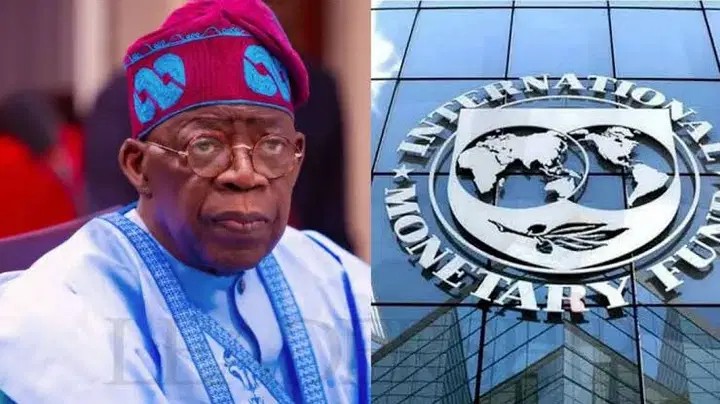
The International Monetary Fund has said that while Nigeria’s ongoing economic reforms are yielding positive macroeconomic outcomes, poverty levels in the country have worsened, with over 60 per cent of the population now living below the poverty line.
In its latest assessment of Africa’s largest economy, the IMF noted that policy measures introduced under President Bola Tinubu — including fuel subsidy removal, exchange rate liberalisation, and tax reforms — have strengthened economic resilience and improved fiscal stability.
However, the Fund warned that the gains have yet to translate into improved living conditions for a majority of Nigerians.
“Strong reforms over the past three years have yielded improved macroeconomic outcomes and built resilience. Still, conditions for many Nigerians remain difficult,” the IMF stated after its annual review.
According to the report, about 63 per cent of Nigerians were living in poverty as of the end of 2025, with more than 27 million people facing food insecurity during the period.
The IMF’s position aligns with earlier data from the World Bank, which put Nigeria’s poverty rate at about 61 per cent, a significant increase from 40 per cent recorded in 2019. The Bretton Woods institution, however, noted that much of the surge in poverty predated the current administration.
Despite the hardship, Nigeria’s economic outlook remains moderately positive. The IMF projected a growth rate of 4.1 per cent in 2026, up slightly from 4.0 per cent recorded in 2025.
The report also highlighted rising inflationary pressures, with the country’s inflation rate climbing to 15.7 per cent in April — a five-month high. Analysts linked the spike partly to increased fuel costs driven by the ongoing geopolitical tensions in the Middle East.
The Fund further cautioned that while higher global prices for oil, food, and fertiliser could boost government revenues, they also risk worsening inflation and deepening hardship among vulnerable households.
It added that persistent insecurity, particularly in northern Nigeria — a key agricultural hub — continues to threaten food production, livelihoods, and overall economic stability.
The IMF urged Nigerian authorities to complement macroeconomic reforms with targeted social interventions to cushion the impact on citizens, warning that failure to address rising poverty and food insecurity could undermine the sustainability of the reforms.
Nigeria is expected to head into a general election cycle in January, with Tinubu seeking a second term amid growing public concern over the cost of living.
FOLLOW US
FOR MORE HERE