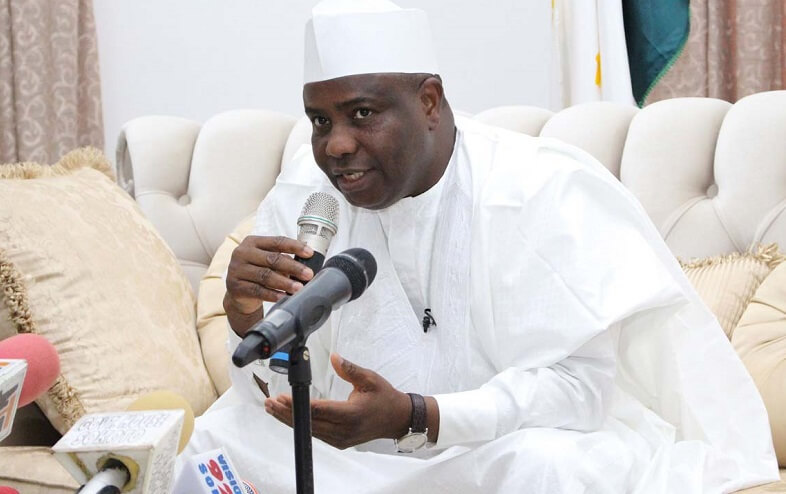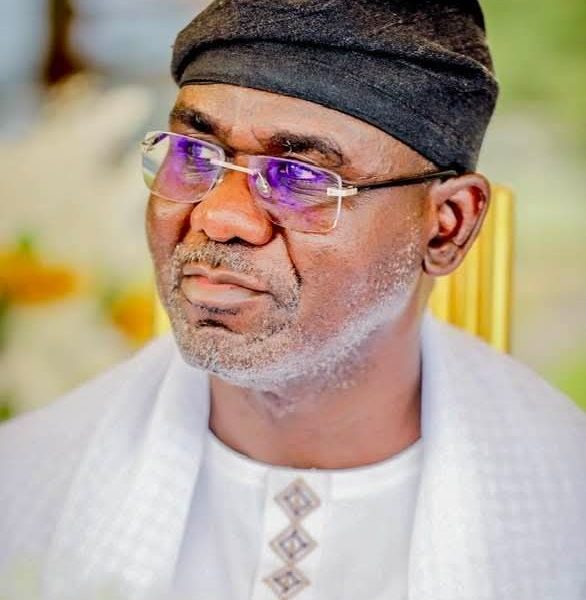
Buratai made the remarks during an interview on TVC News while discussing the recent abduction of students and teachers in Oyo State and the broader security challenges facing Nigeria.
The retired army chief alleged that some political actors exploit insecurity for personal and political gains, particularly in areas where government presence is weak.
According to him, certain politicians often recruit and empower local thugs during election periods, only for such individuals to later transform into bandits, kidnappers and other criminal elements.
“Unfortunately, the plain truth is that some politicians benefit from the activities of these terrorists,” Buratai said.
He explained that the continued patronage of criminal groups by political actors has contributed significantly to the insecurity confronting many communities across the country.
Buratai also pointed to political transitions as periods often exploited by insurgents and criminal groups to intensify their activities.
He noted that attacks tend to increase during transitions from one administration to another, as security operations sometimes experience disruptions caused by administrative changes and funding challenges.
You May Like:HRW Slams Sowore For Attack On Female Cops
“You discover that these terrorists or insurgents have a particular pattern, mainly when there are political activities or when there are transitions from one administration to the other,” he stated.
According to him, delays in the release of operational funds and adjustments within government structures during such periods can create opportunities for criminal groups to regroup and launch attacks.
Speaking on the recent abduction in Oyo State, Buratai urged Nigerians to understand the complexities involved in rescue operations, particularly when children and other vulnerable persons are involved.
He described hostage rescue missions as highly sensitive operations that require careful planning to avoid endangering the lives of victims.
The former army chief said while security agencies possess the capability to track communications and gather intelligence, decisions regarding rescue efforts must be guided by the need to protect those in captivity.
He warned against the expectation of immediate military action in every kidnapping case, noting that a rushed response could lead to unintended casualties among the hostages.
On the issue of ransom payments, Buratai maintained that paying kidnappers remains counterproductive and only encourages further criminal activities.
“Paying of ransom is very counter-productive,” he said, stressing that such payments provide financial incentives for kidnappers and terrorists to continue their operations.
To address the country’s security challenges, Buratai recommended a comprehensive strategy involving stronger institutions, improved intelligence gathering and closer collaboration between government and local communities.
He advocated the decentralisation of the National Security Adviser’s counter-terrorism centre through the establishment of state-level branches equipped with modern surveillance technology and operational facilities.
The former Nigerian ambassador to the Republic of Benin also called for increased recruitment and training of military personnel and police officers, alongside better welfare packages to boost morale and effectiveness.
He further urged the government to engage more directly with affected communities through high-level visits and sustained communication efforts aimed at reassuring citizens and strengthening public confidence in security institutions.
Buratai said defeating insecurity would require more than military force, stressing that political commitment, intelligence-driven operations and collective national resolve remain critical to restoring peace and stability across the country.