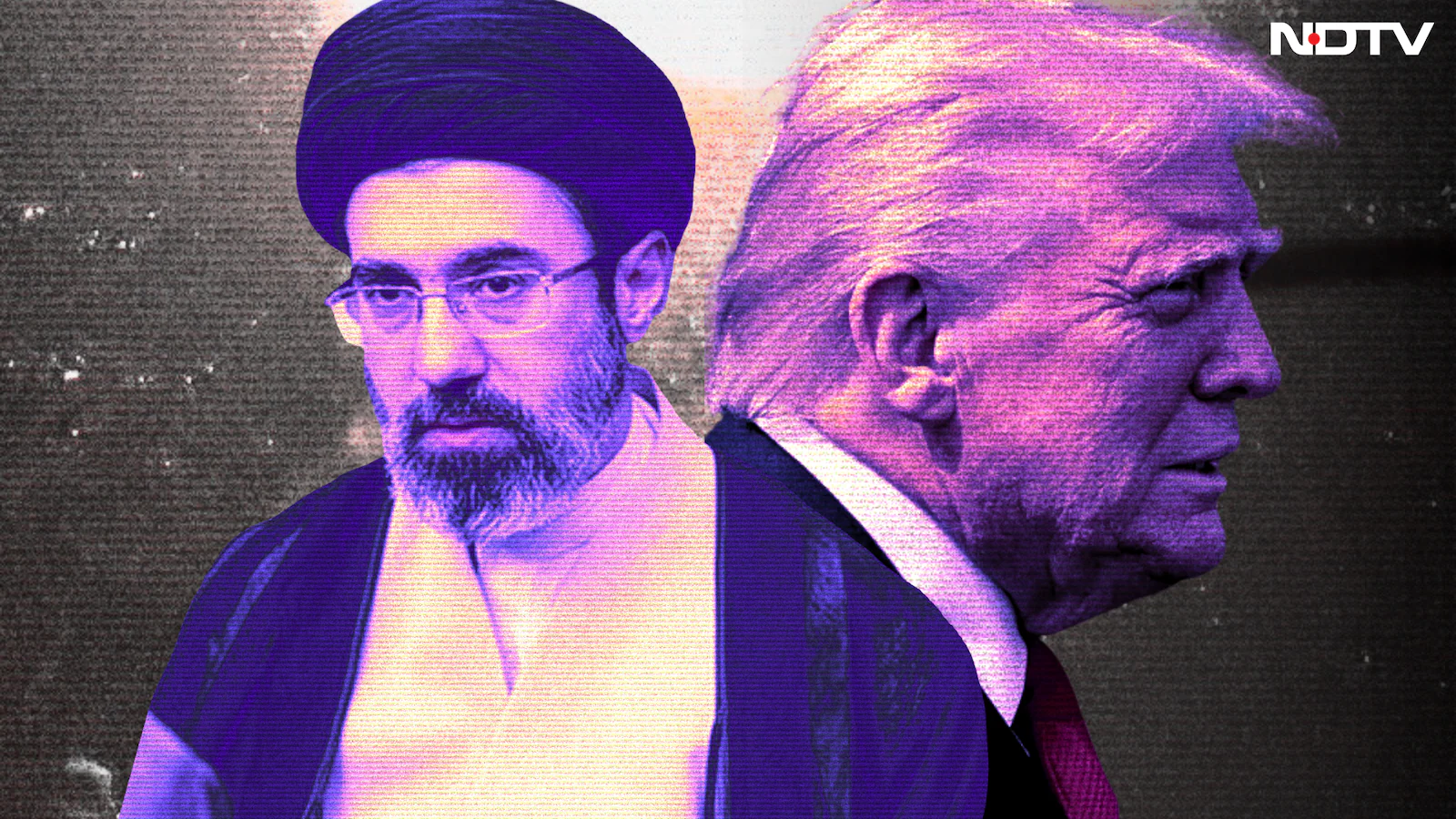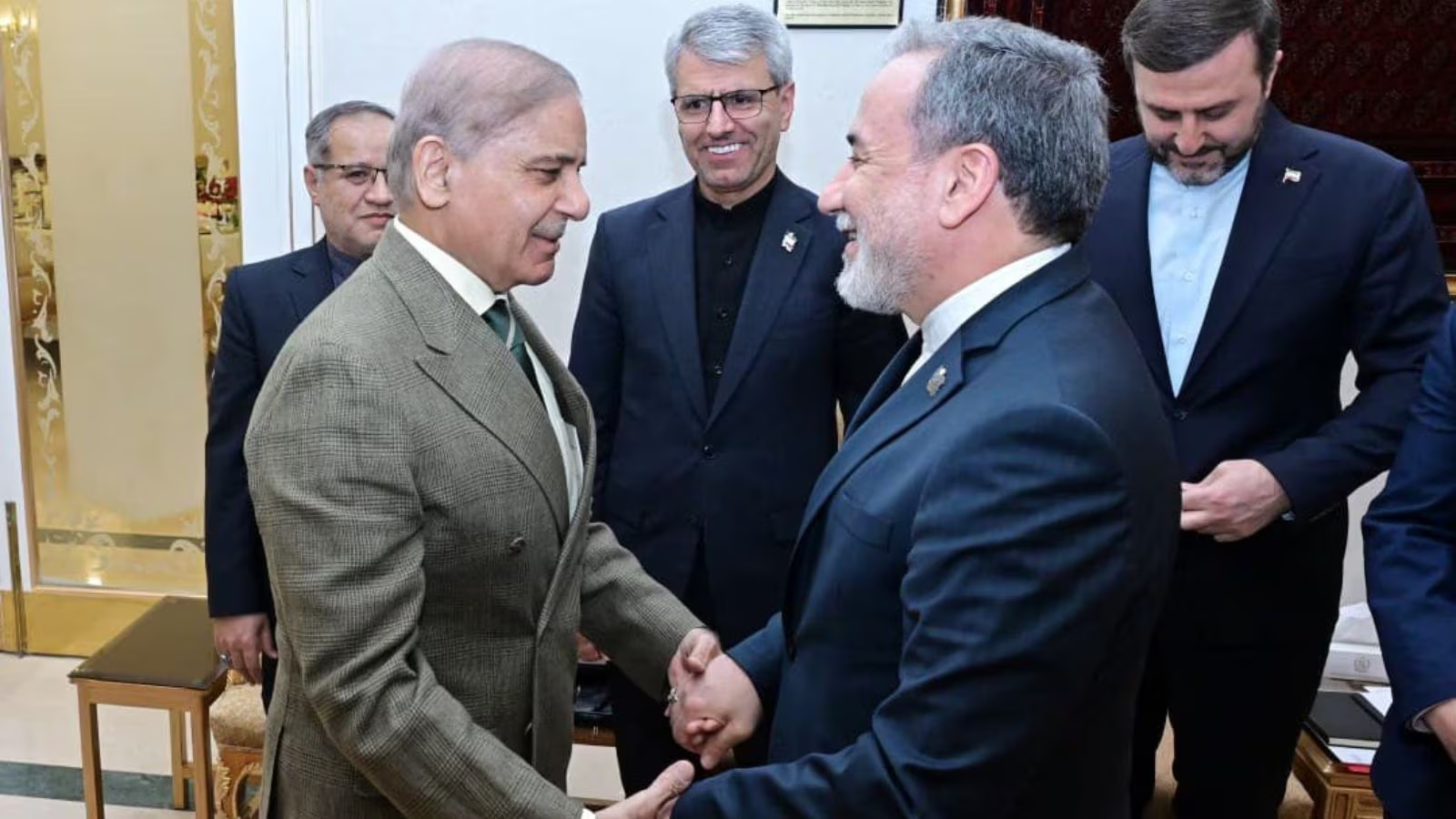
Pakistan Prime Minister Shehbaz Sharif on Saturday said the United States and Iran had agreed on the wording of a framework aimed at ending months of conflict in West Asia, with an electronic signing of the deal expected within the next 24 hours.
Sharif said Pakistan was now preparing for the signing process, after which technical-level negotiations would begin next week to work out details of the agreement, including the future of Iran’s nuclear programme.
If finalised, the deal could mark the biggest diplomatic breakthrough since the conflict erupted in February, reopening the Strait of Hormuz, a vital artery for global energy supplies, and easing fears of a wider regional war that has rattled oil markets and disrupted shipping.
Pakistan claims breakthrough
Speaking on Saturday, Sharif said Washington and Tehran had reached a final text for the initial agreement.
“An electronic signing is expected within the next 24 hours,” he said, adding that Pakistan had remained engaged in efforts to facilitate dialogue between the two sides.
Previous announcements of imminent breakthroughs have failed to materialise, however, and neither the White House nor Iran’s leadership immediately confirmed Sharif’s timeline.
What the proposed deal includes
According to a senior US administration official who briefed reporters on Friday, the emerging agreement would focus first on ending hostilities and reopening the Strait of Hormuz, before addressing more contentious issues.
Story continues below this ad
The official said 60 days following the signing would be used to negotiate technical aspects of Iran’s nuclear programme, including the removal or destruction of Tehran’s stockpile of highly enriched uranium.
Iranian Foreign Minister Abbas Araghchi also indicated that nuclear issues would be finalised during a subsequent negotiation phase and said the timeline could be extended if necessary.
Strait of Hormuz at the centre
A key component of the proposed agreement involves restoring normal transit through the Strait of Hormuz, through which roughly a fifth of the world’s oil and liquefied natural gas supplies pass.
The conflict has severely disrupted shipping through the waterway, driving up fuel prices and fuelling concerns over global inflation.
Story continues below this ad
The US official said the deal includes provisions to reopen the strait, while Araghchi said Tehran wanted arrangements allowing Iran to levy charges for “services rendered” to vessels transiting the route — a position Washington and several other countries argue contravenes international maritime norms.
Sanctions relief on the table
Regional officials familiar with the negotiations told reporters that the agreement is also expected to include phased sanctions relief and the release of frozen Iranian assets.
The officials, who spoke on condition of anonymity because of the sensitivity of the talks, said a formal signing ceremony could take place in the coming days once both governments approve the final text.
However, competing public accounts from Washington and Tehran suggest that some of the most politically sensitive details remain unresolved.
Story continues below this ad
Military tensions persist
The diplomatic momentum comes despite renewed military activity around the Gulf.
US Central Command said late Friday that it had intercepted several Iranian attack drones allegedly targeting commercial vessels in the Strait of Hormuz.
The incidents underscored the fragility of the negotiations and highlighted how quickly tensions could escalate even as diplomats work towards an agreement.
What it means
The proposed deal could have far-reaching consequences beyond West Asia. For global markets, reopening the Strait of Hormuz could stabilise oil and gas supplies and ease pressure on energy prices.
Story continues below this ad
For countries such as India, which relies heavily on Gulf energy imports and has thousands of nationals working in the region’s maritime sector, a durable agreement could reduce risks to both economic interests and human lives.
But with previous declarations of imminent peace failing to deliver results, the coming days may determine whether the latest diplomatic push becomes a historic breakthrough — or another false dawn.
(With inputs from Reuters and AP)