The Redeemed Christian Church of God (RCCG) Prison and Hospital Ministry (PHM) is planning a N600 million facility for the rehabilitation and reintegration of ex-inmates.
Pastor Ariyo Popoola, National Chairman of PHM, disclosed this on Friday in an interview with the News Agency of Nigeria (NAN).
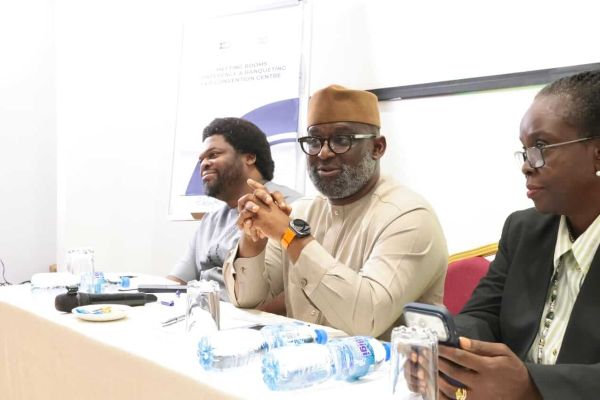
Pastor Popoola spoke at the Seventh International Conference of the RCCG PHM.
The event was held at the House of Favour, Redemption City on the Lagos-Ibadan Expressway.
According to Popoola, the proposed facility, estimated to sit on six acres of land, will serve as a transitional home where former inmates can receive counselling, vocational training, education, and other forms of support to rebuild their lives.
He said that many ex-inmates faced significant challenges after their release.
The pastor listed the challenges to include lack of accommodation, unemployment, family disconnection, and social stigma.
NAN reports that the top echelon of the Nigeria Correctional Service, led by Assistant Controller-General of Corrections, ACGC Olatunbosun Ajibogun, were at the event, among other dignitaries.
While reviewing the activities of the PHM, Popoola said that it had recorded giant strides over the years in supporting inmates through various intervention programmes.
He expressed gratitude to God for the successful growth of the ministry and support received from stakeholders, including media organisations.
He noted that delegates attended the conference from various states, including Kwara, Osun, Oyo, and Delta and the Federal Capital Territory, describing the event as another milestone for the ministry.
He said that the proposed rehabilitation centre would accommodate agricultural projects, vocational training programmes and small-scale enterprises designed to equip ex-inmates with practical skills and sustainable means of livelihood.
Popoola added: “Our vision is to create a structured pathway for reintegration.
“Many people leave correctional facilities with nowhere to go and no support system.
“We want to provide a safe environment where they can recover, receive guidance, acquire skills and reconnect with the society.”
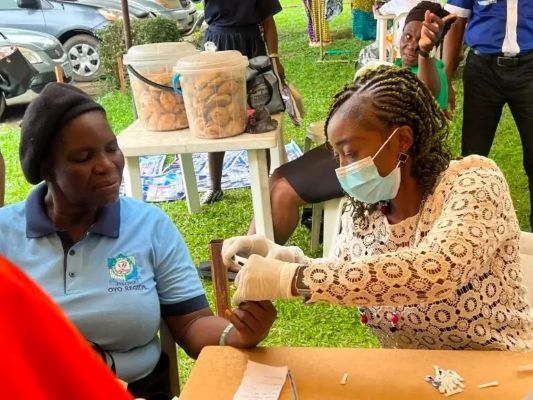
Popoola said that the PHM activities extended beyond spiritual outreach to include welfare support, medical assistance, facility upgrades and other interventions aimed at improving the living conditions of inmates, patients and other vulnerable members of society.
He said: “The ministry has continued to expand its outreach and support services to correctional centres, hospitals, remand homes, and others.
“We will continue to do what we can to support correctional centres, hospitals, remand homes, and facilities for care for the elderly.
“God has helped us greatly, and we have seen steady progress from the first conference to the seventh.”
On reforms in the correctional system, Popoola stressed the need to address the reasons people act contrary to the law.
He identified unemployment, economic hardship, lack of opportunities, and declining social values as major factors contributing to criminality.
According to him, efforts to decongest correctional centres must go beyond prison reforms and focus on creating opportunities for young people, promoting dignity in labour and providing hope for the future.
He also called for stronger social support systems and improved welfare programmes that would help to reduce pressures that often pushed individuals into criminal activities.
Popoola said that RCCG had continued to provide legal support and pay fines for eligible inmates, pay medical bills, improve welfare conditions and support infrastructure in correctional centres.
He disclosed that the ministry repaired abandoned vehicles in some correctional facilities to enhance operational efficiency and enhance transport of inmates attending court proceedings.
He added that the ministry had assisted indigent patients who were unable to settle their medical bills and continued to provide support to vulnerable individuals requiring urgent assistance.
Popoola appealed to corporate organisations, philanthropists, and members of the public to support the ministry, saying that successful rehabilitation and reintegration of former inmates would significantly reduce crime and improve public safety.
He also urged families and communities to welcome reformed ex-inmates and provide them with opportunities to rebuild their lives.
According to him, lasting rehabilitation requires collective support from families, faith-based organisations, government institutions and the society at large.
He expressed confidence that with sustained support and collaboration, the ministry’s rehabilitation efforts would help to transform more lives and contribute to a safer and more inclusive society.