Syria has signed a new deal with US energy companies ConocoPhillips and Novaterra. This is an important development and comes amidst many discussions about the future of energy and trade in the region. Syria is an emerging friend of the US under its new leadership of transitional President Ahmed al-Shara’a. It is also a close partner of Turkey. The new deal was signed with the Syrian Petroleum Company (SPC).
Syria’s State media SANA noted on June 16 that Syria “signed an agreement on Tuesday with US energy companies ConocoPhillips and Novaterra to develop several gas fields and increase production from existing sites, as part of efforts to strengthen the country’s energy sector and expand natural gas supplies for electricity generation and other key industries.”
The state media report added that the agreement was signed at the Ministry of Energy headquarters in Damascus. It “marks a new phase in cooperation between the three parties following months of technical, legal and commercial discussions that built on a previously signed memorandum of understanding,” SANA added. The ministry hopes the project will increase gas output from various fields.
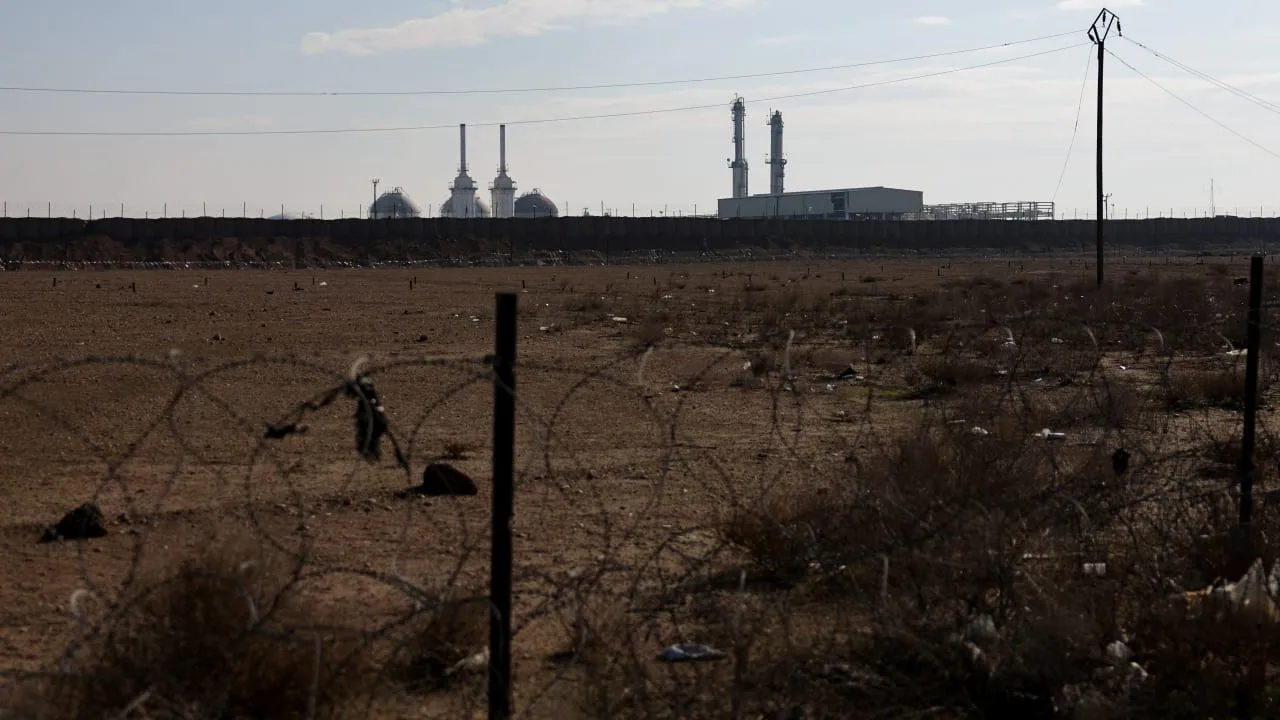
It’s worth noting that there was a Conoco gas field in Syria. However, that field was largely abandoned for years because it was in a war zone being contested by ISIS and then the US-backed SDF and other forces. In April, The New Arab noted that “specialized teams have begun clearing mines surrounding a pipeline at the Conoco gas field in Deir ez-Zor province in eastern Syria, a source in the Syrian Petroleum Company has told The New Arab.” The report said that “the mine clearing is part of preliminary measures to return the field to service and rehabilitate damaged oil infrastructure by the Syrian Petroleum Company…They also added that the company is also preparing a missing five-kilometer section as part of efforts to ready the pipeline.” In February, Syria signed another important deal with Chevron to develop offshore energy resources.
SANA added on June 16 that “according to the Ministry of Energy, the project is designed to increase gas output from targeted fields, modernize operational infrastructure, and improve efficiency in line with current industry standards. The initiative also forms part of broader efforts to attract international expertise and investment to support the rehabilitation and development of Syria’s energy infrastructure.”
The report quoted Youssef Qablawi, chief executive officer of the Syrian Petroleum Company, as well as Ryan M. Lance, chairman and chief executive officer of ConocoPhillips, and Alex MacDonald, chief executive officer of Novaterra Energy. “The agreement comes as Syria seeks to increase domestic energy production and rehabilitate infrastructure affected by years of conflict, with natural gas playing a central role in supplying power plants and supporting industrial activity,” SANA added.
At the same time as Syria is signing this new deal, there is another controversy emerging regarding a pipeline that goes from Turkey to the Kurdistan Region of northern Iraq. Reuters reported on June 16 that “Turkey does not want an extension of the existing Kirkuk-Ceyhan oil pipeline agreement under current conditions, a senior Turkish official said, after Baghdad asked Ankara to extend it for at least a year to allow time for more talks.” This could reorient energy and trade in the region and investment flows into Syria.