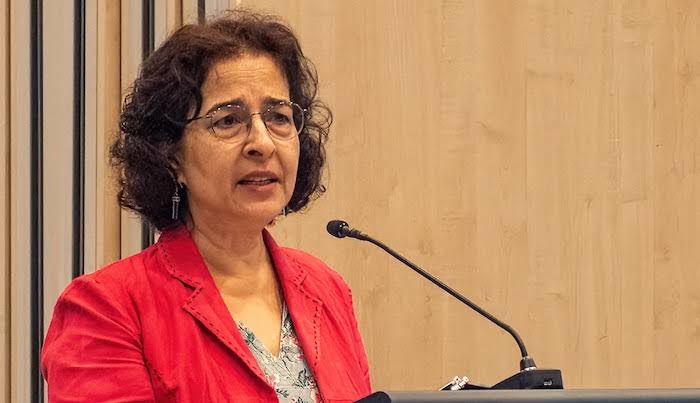
The United Nations Special Rapporteur on Freedom of Religion or Belief, Nazila Ghanea, has warned that worsening insecurity in Nigeria is intensifying fears of religious polarisation, human rights violations, and weakening public trust in state protection.
Her remarks followed an 11-day assessment mission across parts of the country, including engagements in Abuja, where she met government officials, security agencies, religious leaders, civil society organisations, and victims of violence.
Rising insecurity and claims of systemic breakdown
Ghanea said testimonies from affected communities were dominated by accounts of terrorist attacks, banditry, kidnappings, mass displacement and repeated destruction of rural settlements. Many victims, she noted, described prolonged suffering with little or no access to justice or effective protection.
She further reported that some communities have been forced into informal arrangements with armed groups, including surrendering farmland or accepting coercive “peace deals” to avoid further attacks.
Religious freedom concerns and governance issues
The UN envoy also raised concern about what she described as growing religious profiling in governance, citing reports that religion is still required on some administrative forms in education, employment and public services—practices she warned could deepen divisions.
She added that Nigeria’s plural legal system, including the application of blasphemy provisions and hate speech laws in some states, continues to generate legal and constitutional debate over compatibility with the country’s secular constitutional framework.
U.S. designation debate and political pressure
Her intervention comes amid renewed international attention on Nigeria’s human rights and religious freedom record.
Nigeria was previously designated a “Country of Particular Concern (CPC)” by the United States government under the Donald Trump administration in 2020, a classification reserved for nations accused of severe violations of religious freedom. The designation was widely debated in diplomatic circles and later removed under the Biden administration, though it continues to shape international scrutiny of Nigeria’s internal security and religious conflict dynamics.
Allegations of genocide and foreign commentary
The issue has also drawn attention from some United States lawmakers and advocacy groups, who have at various times raised concerns about alleged targeted killings of Christians in parts of Nigeria, describing the situation as potentially amounting to genocide.
However, these claims remain highly contested, with Nigerian authorities and several analysts arguing that the violence is driven more by complex factors—including terrorism, criminal banditry, land disputes, and communal conflicts—rather than exclusively religious targeting.
Security cooperation with the United States
In parallel, Nigeria has strengthened counterterrorism cooperation with the United States, including intelligence sharing, military training support, and joint efforts aimed at dismantling extremist networks and armed groups operating across the country’s northern and central regions.
This collaboration has been presented by both governments as part of broader efforts to contain insurgent threats and improve regional stability in West Africa.
Mixed perceptions and unresolved tensions
Ghanea noted that while there is no consensus on whether violence in Nigeria is primarily religious in nature, the persistence of attacks and lack of accountability have deepened perceptions of persecution among affected communities.
She warned that this growing mistrust is increasingly shaping how citizens view both federal and state authorities.