The US and Iran have signed an interim deal aimed at easing tensions, reopening the Strait of Hormuz and extending a fragile ceasefire. As both sides …
 1/10
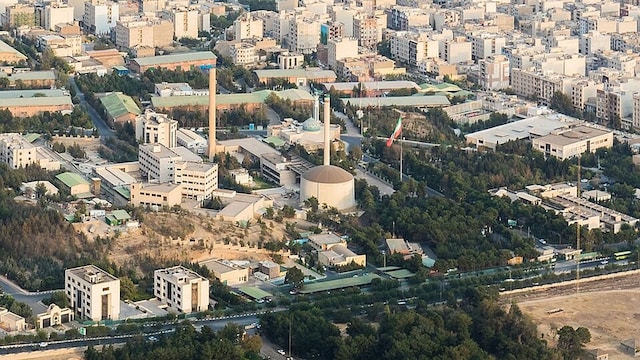
1/101. Iran’s nuclear programme started with US support | In 1967, Iran received the Tehran Research Reactor from the US under the “Atoms for Peace” programme. The project was originally focused on civilian nuclear research before relations between Tehran and Washington changed. (Image: Wikimedia Commons)
 2/10
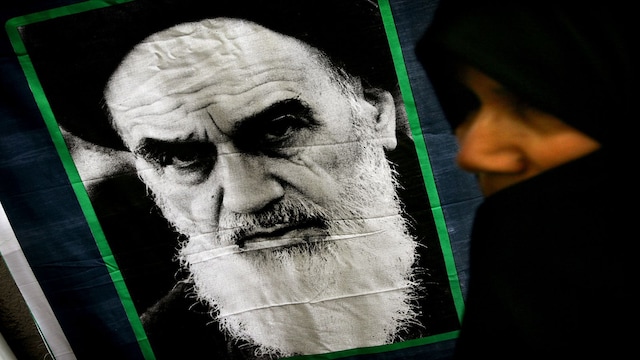
2/102. The 1979 revolution ended US-Iran cooperation | The Islamic Revolution brought major changes in Iran’s relationship with the West. After Ayatollah Ruhollah Khomeini came to power, students seized the US Embassy in Tehran, beginning a 444-day hostage crisis. Iran’s nuclear programme slowed during this period. (Image: Reuters)
 3/10
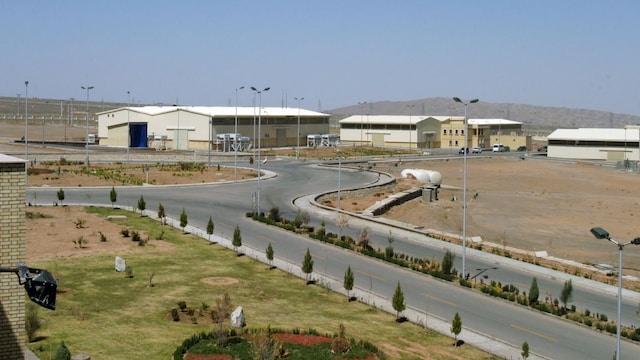
3/103. Secret facilities triggered global concerns | In 2002, Iran’s hidden Natanz uranium enrichment facility was revealed by Western intelligence agencies and an Iranian opposition group. The discovery increased international concerns over Tehran’s nuclear activities. (Image: Reuters)
 4/10
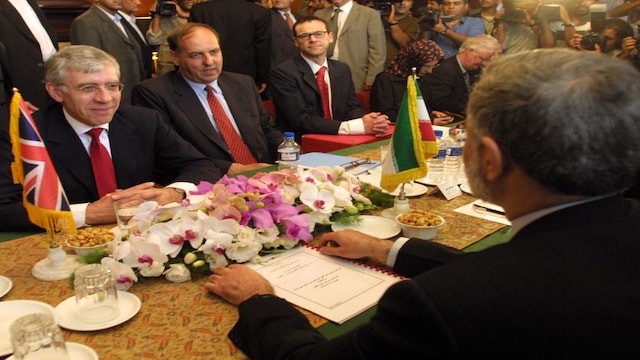
4/104. Iran faced pressure over uranium enrichment | Between 2003 and 2006, European countries held talks with Iran and pushed for limits on enrichment. Iran briefly suspended enrichment but later restarted the programme after a change in leadership. (Image: Reuters)
 5/10
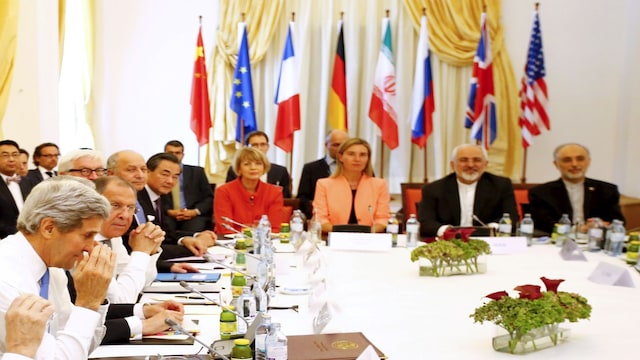
5/105. The 2015 nuclear deal eased tensions | In 2015, Iran and world powers reached a major nuclear agreement. The deal placed limits on Iran’s uranium enrichment activities in exchange for sanctions relief and monitoring. (Image: Reuters)
 6/10
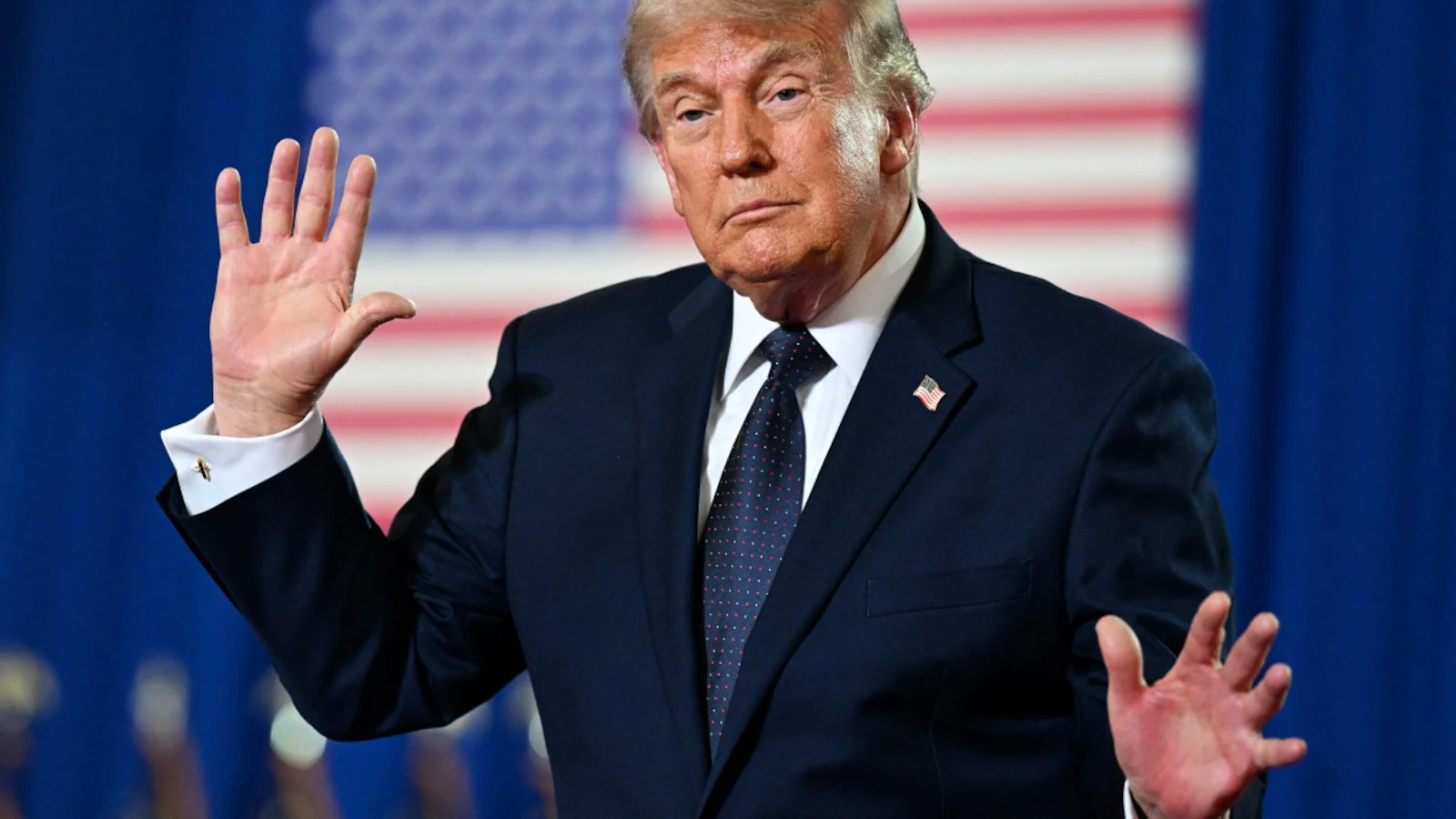
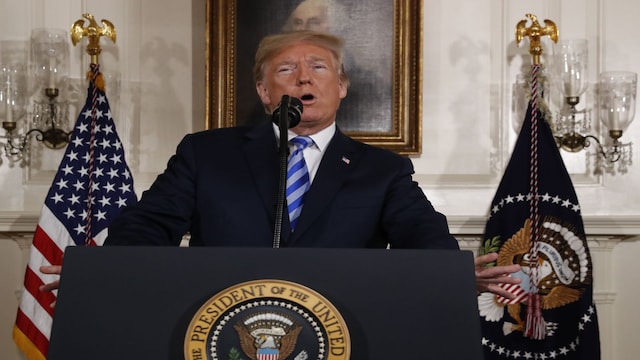
6/106. The US withdrawal reopened the dispute | In 2018, US President Donald Trump withdrew from the nuclear agreement and brought back sanctions. Iran later reduced its commitments under the deal, increasing tensions again. (Image: Reuters)
 7/10
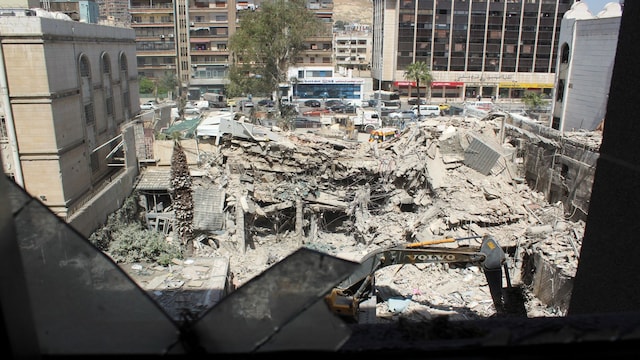
7/107. Nuclear tensions mixed with regional conflicts | The dispute expanded beyond nuclear issues as Iran’s ties with regional groups and conflicts in the Middle East increased tensions. Attacks, military strikes and confrontations added pressure on diplomacy. (Image: Reuters)
 8/10
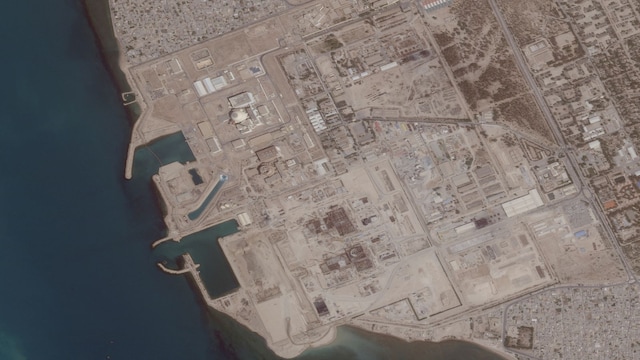
8/108. Iran moved closer to weapons-grade enrichment levels | In 2021, Iran began enriching uranium up to 60%, its highest level at the time. AP News reported that this was close to weapons-grade enrichment levels, though Iran continued to deny plans to build nuclear weapons. (Image: Reuters)
 9/10
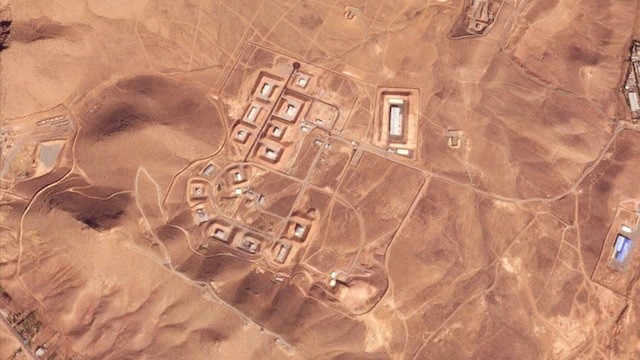
9/109. The Iran-Israel conflict pushed tensions higher | In 2025, the nuclear standoff became linked with a wider conflict after Israel and the US launched attacks on Iran, targeting nuclear and military sites. A ceasefire followed, but negotiations remained difficult. (Image: Reuters)
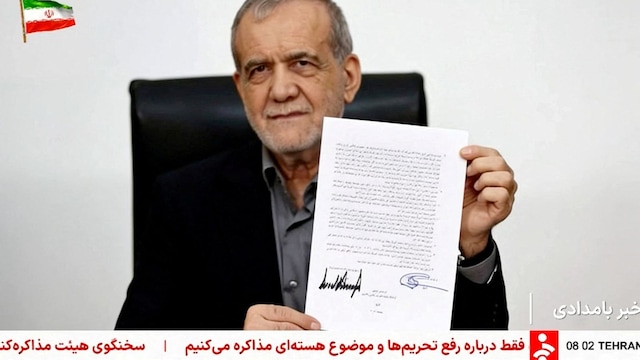 10/10
10/1010. Interim deal aims to restart diplomacy | According to AP News, the US and Iran signed an interim agreement in June 2026 aimed at reopening the Strait of Hormuz and extending a fragile ceasefire. The deal also sets the stage for further talks on Iran’s nuclear programme over the next 60 days. (Image: Reuters)