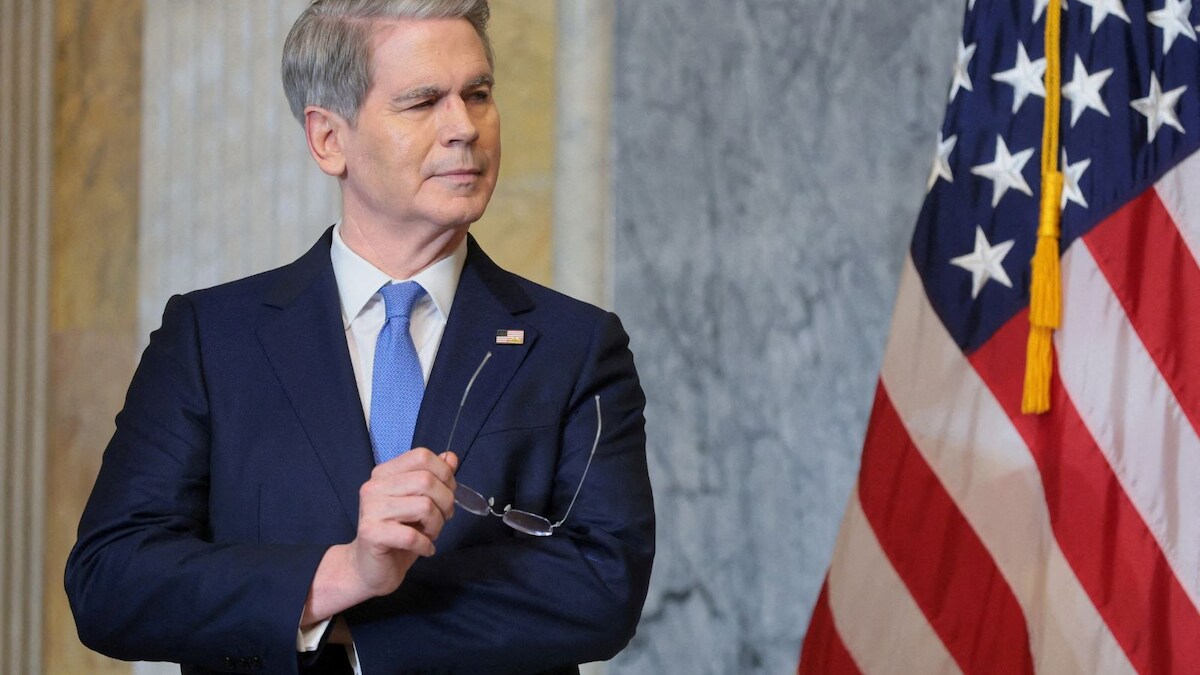
US Treasury Secretary Scott Bessent said tariff rates could return to their previous levels if ongoing Section 301 investigations conclude successfully, signaling the Trump administration intends to preserve much of its tariff framework even after shifting away from emergency powers.
Speaking to CNBC, Bessent said the administration had “rebooted” its tariff programme after initially relying on the International Emergency Economic Powers Act (IEEPA) to impose duties swiftly.
“Right now, we have something called Section 122 tariffs, which is a 10% global tariff. Currently, USTR, Ambassador Jamieson Greer, is doing studies for Section 301. And if those studies are successful… then the tariff rates are going to go back to exactly where they were,” Bessent said.
He said the use of IEEPA in 2025 enabled Washington to secure trade agreements that would have otherwise taken much longer to negotiate.
“The president used IEEPA, which was a very efficient way to put on tariffs… it allowed us very quickly to get to tariff deals or trade deals that we never would have gotten to before,” Bessent said.
Bessent’s remarks are significant for India, which is among the countries facing a proposed additional 12.5% tariff under the Trump administration’s Section 301 action targeting economies the US says have failed to effectively prohibit imports made with forced labour.
Public hearings on the proposal are due to begin on July 7. The comments also come as Washington and New Delhi continue negotiations on the first tranche of a bilateral trade agreement; US Trade Representative Jamieson Greer met with Commerce Minister Piyush Goyal in New Delhi earlier this week.
Bessent cited the European Union as an example of what he described as a successful rebalancing of trade ties, saying the bloc would levy zero tariffs on US goods while paying a 15% tariff on its exports to the US. He also said the EU had agreed to reduce non-tariff barriers and curb what he called unfair financing practices.
Assuming the Section 301 investigations proceed as expected, the department projects only a “de minimis decline” in tariff revenue during calendar year 2026, the Treasury secretary added.
(Edited by : Tenzin Norzom)