4 min readUpdated: Jun 13, 2026 07:48 PM IST
US Secretary of State Marco Rubio defended Washington’s blockade in the Strait of Hormuz after External Affairs Minister S Jaishankar lodged a strong protest over the deaths of Indian seafarers in attacks on commercial vessels off the coast of Oman.
According to the US State Department, Rubio told Jaishankar that violations of the American blockade and the illicit transport of Iranian oil through the Strait of Hormuz “will not be tolerated”, while insisting that commercial vessels must comply with instructions issued by US forces operating in the region.
Jaishankar raises India’s protest
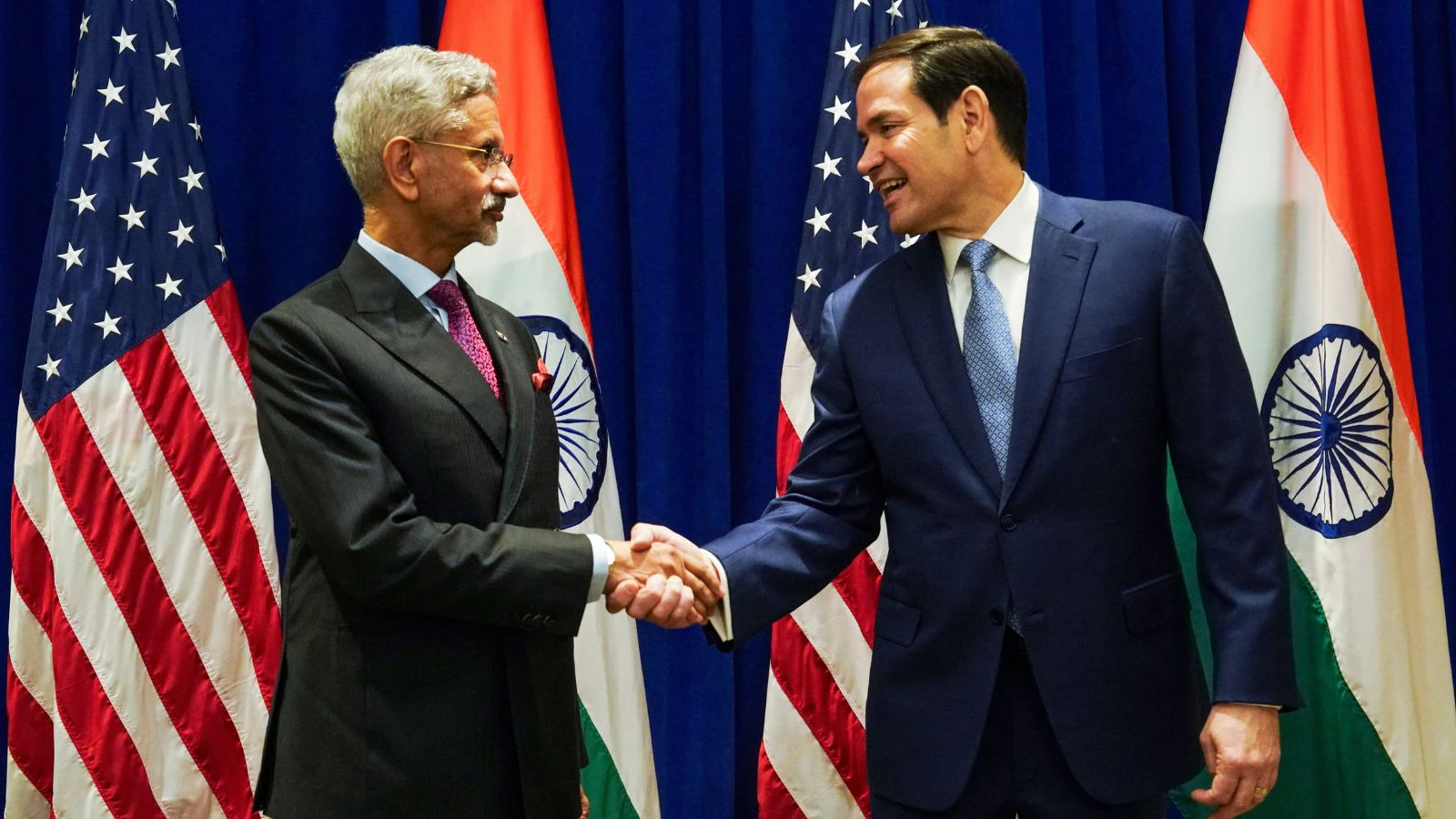
Jaishankar spoke to Rubio on Friday, hours after the Ministry of External Affairs summoned US Chargé d’Affaires Jason Meeks for the second time in less than 48 hours over attacks involving commercial vessels carrying Indian crew.
“Spoke to US Secretary of State Marco Rubio this evening. I reiterated India’s strong protest at the attacks by the US Navy in the Gulf that killed three Indian mariners. Such lethal actions against commercial shipping are not justified,” Jaishankar wrote on X.
The minister’s intervention elevated the issue from a diplomatic protest lodged through officials to a direct conversation between the two countries’ top diplomats, signalling the seriousness with which New Delhi views the incidents.
Rubio defends US actions
Responding to India’s concerns, Rubio reiterated Washington’s position that the US naval presence in the Strait of Hormuz was aimed at maintaining security and enforcing its blockade against Iranian oil shipments.
“The Secretary stressed that all commercial vessels should immediately comply with orders from US forces as they seek to uphold peace and security in the Strait,” State Department spokesperson Tommy Pigott said in a statement.
Story continues below this ad
“Violations of the US blockade and the illicit transport of Iranian oil will not be tolerated,” Pigott added.
The remarks amounted to the strongest public defence yet by the Trump administration of the controversial maritime operations that have triggered outrage in India.
Indian sailors caught in the crossfire
The diplomatic fallout follows a series of attacks involving commercial vessels near Oman this week.
Three Indian seafarers were killed after the tanker Settebello came under a US strike on Wednesday. Another vessel carrying Indian crew members was attacked a day later, although all those on board were rescued.
Story continues below this ad
The incidents prompted New Delhi to summon the US envoy twice and convey its “deep concern over the use of lethal and deadly force against civilian shipping”.
The MEA said such actions were “unacceptable” and undermined “the safety, security and stability of international maritime commerce in a sensitive region at a difficult time”.
Why India matters
India supplies one of the world’s largest pools of seafarers and depends heavily on the Gulf for its energy imports. The Strait of Hormuz, through which nearly one-fifth of global oil supplies pass, is critical to both India’s energy security and maritime interests.
The deaths of Indian sailors have transformed a distant geopolitical conflict into a domestic political and diplomatic issue for New Delhi.
Story continues below this ad
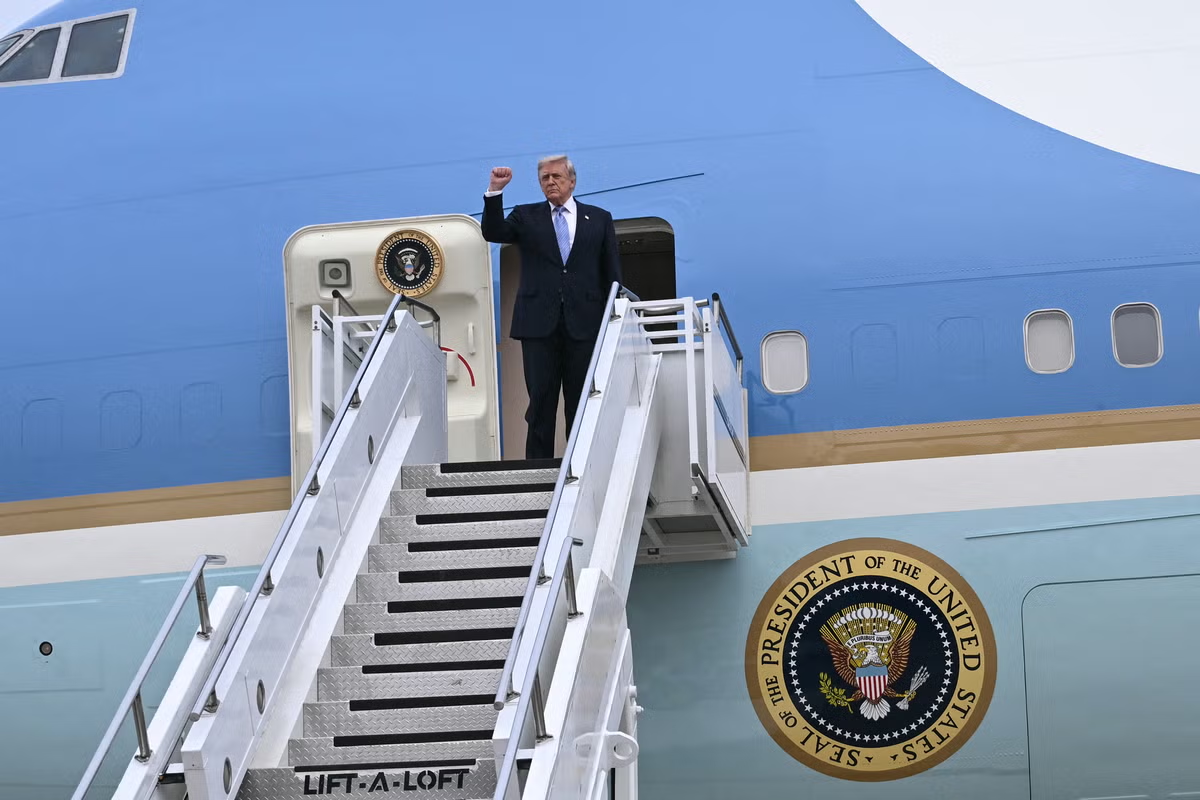
Prime Minister Narendra Modi, who is attending the G7 summit in France, is expected to meet US President Donald Trump on the sidelines of the gathering. The attacks on commercial shipping and the deaths of Indian nationals are likely to feature prominently in any discussions between the two leaders.
Diplomacy amid a possible breakthrough
The confrontation comes at a time when Washington and Tehran have indicated they are moving closer to an agreement aimed at ending months of conflict in the Gulf.
A proposed deal could reopen the Strait of Hormuz and ease tensions that have disrupted global shipping and energy markets.
(With inputs from PTI)
Stay updated with the latest – Click here to follow us on Instagram