By Babafemi Ojudu
About two years into the Buhari administration, Nigeria’s economy slipped into recession. A major factor was the sharp decline in crude oil production. Output fell from about two million barrels per day to barely 500,000 and, at certain points, to as low as 300,000 barrels. At the same time, global oil prices hovered between $45 and $50 per barrel, falling even further to about $35 at one point.
The nation was under severe economic strain.
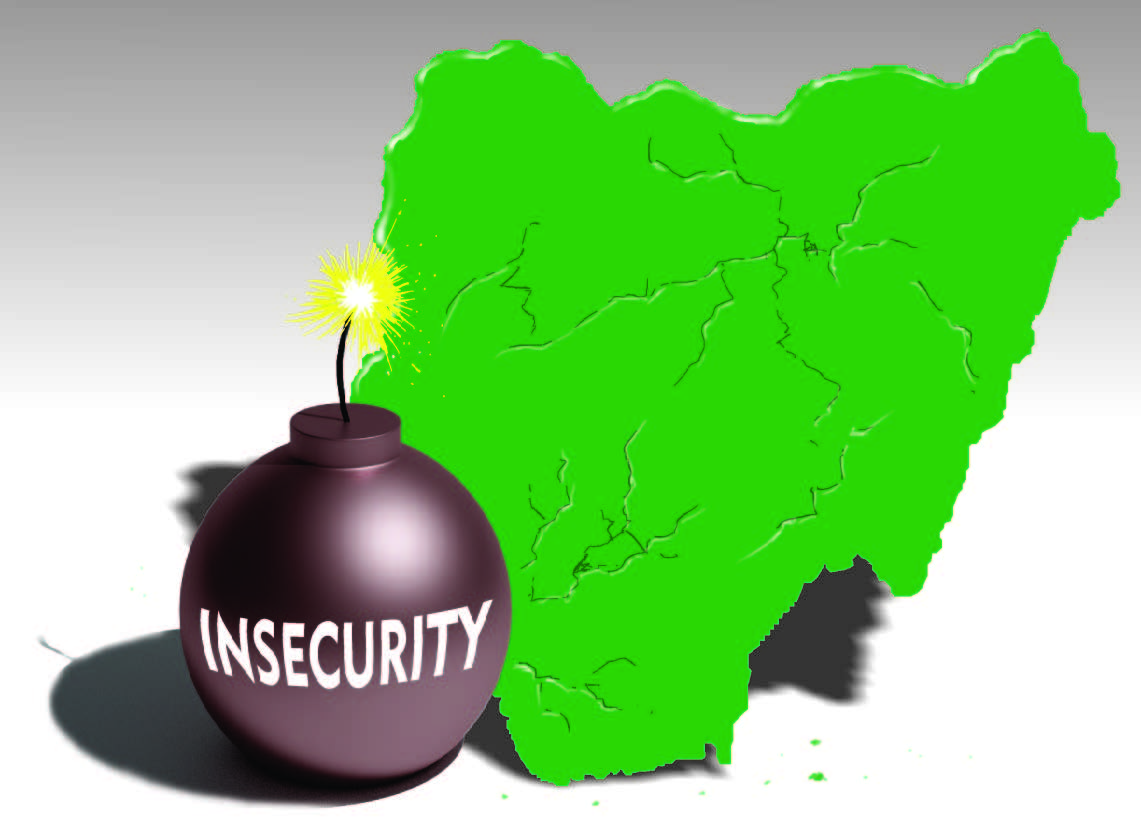
Almost daily, reports emerged of attacks on oil installations across the Niger Delta. Pipelines were blown up, production facilities sabotaged, and critical infrastructure destroyed. Each explosion translated into lost revenue, increased uncertainty, and growing anxiety within government circles.
Panic set in.
Meetings of the Economic Management Team became frequent. Sessions of the Federal Executive Council and the National Security Council followed in rapid succession. Everyone sought answers to a problem that seemed to be spiralling beyond control.
The proposals were predictable.
Some argued for a heavier military response. Increase defence spending. Deploy more troops. Acquire more hardware. Pursue the militants relentlessly and crush the insurgency.
Others proposed a different route: identify influential leaders in the region, offer them substantial financial incentives, and persuade them to rein in the militants.
Amid these competing voices stood a lone perspective.
Vice President Yemi Osinbajo posed a simple question:
“Before we punish people, have we taken the time to understand why they are angry?”
He argued that those in the creeks were not merely security threats; they were Nigerian citizens and human beings. Their actions, however destructive, must have been driven by grievances that deserved to be heard.
He sought and obtained permission from President Muhammadu Buhari to visit the Niger Delta and engage directly with the people.
Many considered the idea reckless.
Some security officials opposed it outright. Others warned that the Vice President was walking into danger. President Buhari himself reportedly joked that if the trip went ahead, Osinbajo might become the first Vice President in history to be kidnapped.
Yet he remained undeterred.
His conviction was simple: one cannot solve a problem one has not taken the trouble to understand.
And so we went.
Our first destination was Gbaramatu, the community associated with Government Ekpemupolo, popularly known as Tompolo, then regarded as one of the most influential figures in the region.