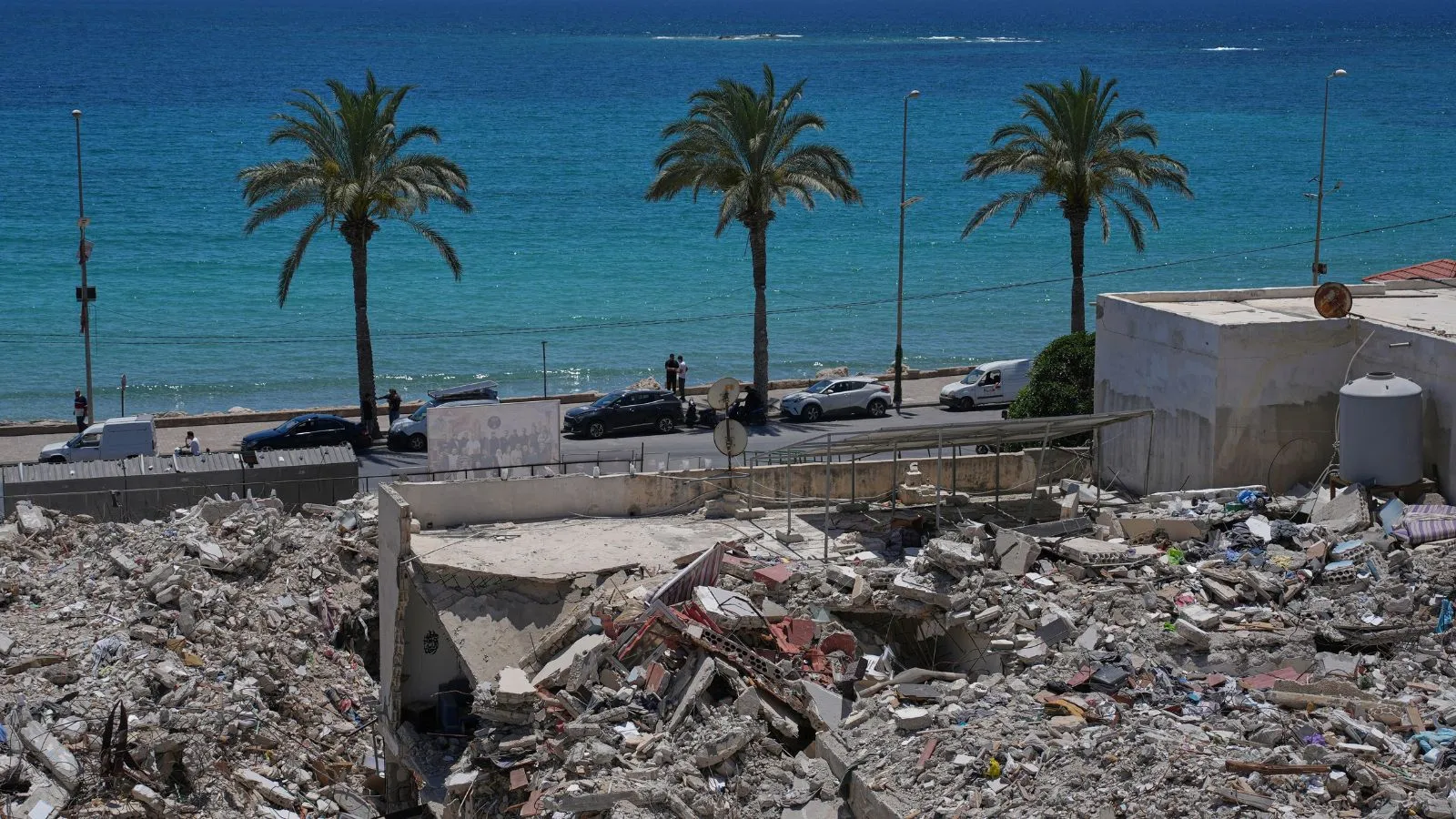
Continuing clashes between Israel and Hezbollah in southern Lebanon are putting fresh strain on the ceasefire deal reached between the United States and Iran.
Why are Israel and Hezbollah fighting
Hezbollah is an Iran-backed armed group that has fought Israel for decades, going back to its rise in Lebanon in the 1980s. With Iranian support, it built up a large stockpile of rockets, missiles and drones.
The two sides fought a major war in 2006, and clashed again from late 2023, when Hezbollah began firing across the border in support of Hamas during the Gaza war. Israel killed Hezbollah’s longtime leader, Hassan Nasrallah, during that period. A ceasefire reached in late 2024 was meant to see Israeli forces withdraw from southern Lebanon, but troops stayed on past the deadline, and strikes continued.
Violence flared again after Israel and the US killed Iran’s supreme leader in an airstrike in late February.
Story continues below this ad
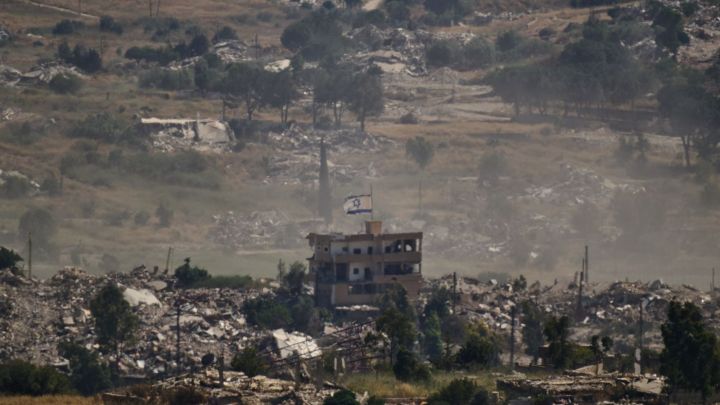
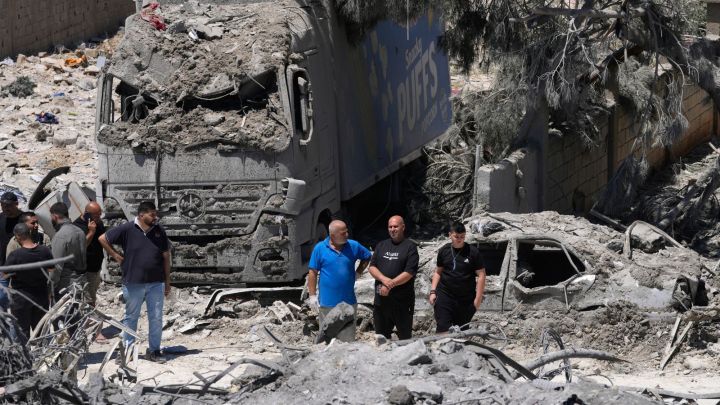
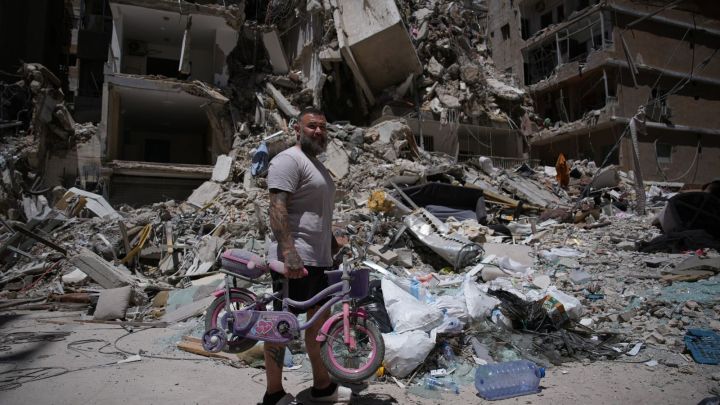
Hezbollah responded with renewed fire on northern Israel, and Israeli forces pushed deeper into Lebanese territory, displacing residents and destroying homes across the south. Lebanon’s health ministry says more than 4,000 people have died in the Israeli campaign since early March.
What does the US-Iran deal say about Lebanon
The 14-point agreement between Washington and Tehran opens with a call to end fighting “on all fronts, including in Lebanon,” and commits both sides to respecting Lebanon’s sovereignty. US President Donald Trump has said the deal requires a complete ceasefire covering Lebanon, Hezbollah and Israel.
For Iran, protecting Hezbollah, its closest regional ally, has been a central demand throughout negotiations. A diplomat familiar with the talks told CNN that Tehran wants guarantees the Lebanon fighting will stop before it resumes wider talks with Washington.
What does Israel say?
Israel has refused to step back. Prime Minister Benjamin Netanyahu last week said that restoring security in northern Israel means keeping troops in a buffer zone in southern Lebanon for as long as needed. National security minister Itamar Ben Gvir went further, saying Israel would not put its citizens’ safety “up for sacrifice,” whatever Washington’s wishes.
Story continues below this ad
Hezbollah, for its part, denies violating the ceasefire and accuses Israel of continuing the war on its own terms.
Trust between Tehran and Washington remains thin. A senior Iranian lawmaker said this weekend that the US failure to honour the Lebanon clause shows Washington still hasn’t earned Iranian trust.
Where does the US stand
Trump and Vice President JD Vance have both openly expressed frustration with Israel’s continued strikes. Last week, Vance suggested that Israel was risking its closest remaining ally by ignoring US wishes on the matter. At the same time, Trump has been careful not to break with Netanyahu publicly, calling the US-Israel relationship “great” even after what officials describe as tense phone calls between the two leaders.
Analysts say Lebanon, not the nuclear file, may now be the biggest obstacle to a lasting deal. A former Israeli military intelligence official described Lebanon as the chief risk to any broader understanding with Iran, noting that Washington and Tehran read the ceasefire terms differently.
Story continues below this ad
A Middle East analyst at a UK-based think tank said Iran has successfully tied the Lebanon and Hormuz issues together, turning Israel’s military-first approach into a liability.
Lebanon’s own government, meanwhile, has been left largely on the sidelines of talks between the US, Iran, Israel and Hezbollah despite the fighting taking place on its soil.
(With inputs from agencies)