New Delhi:
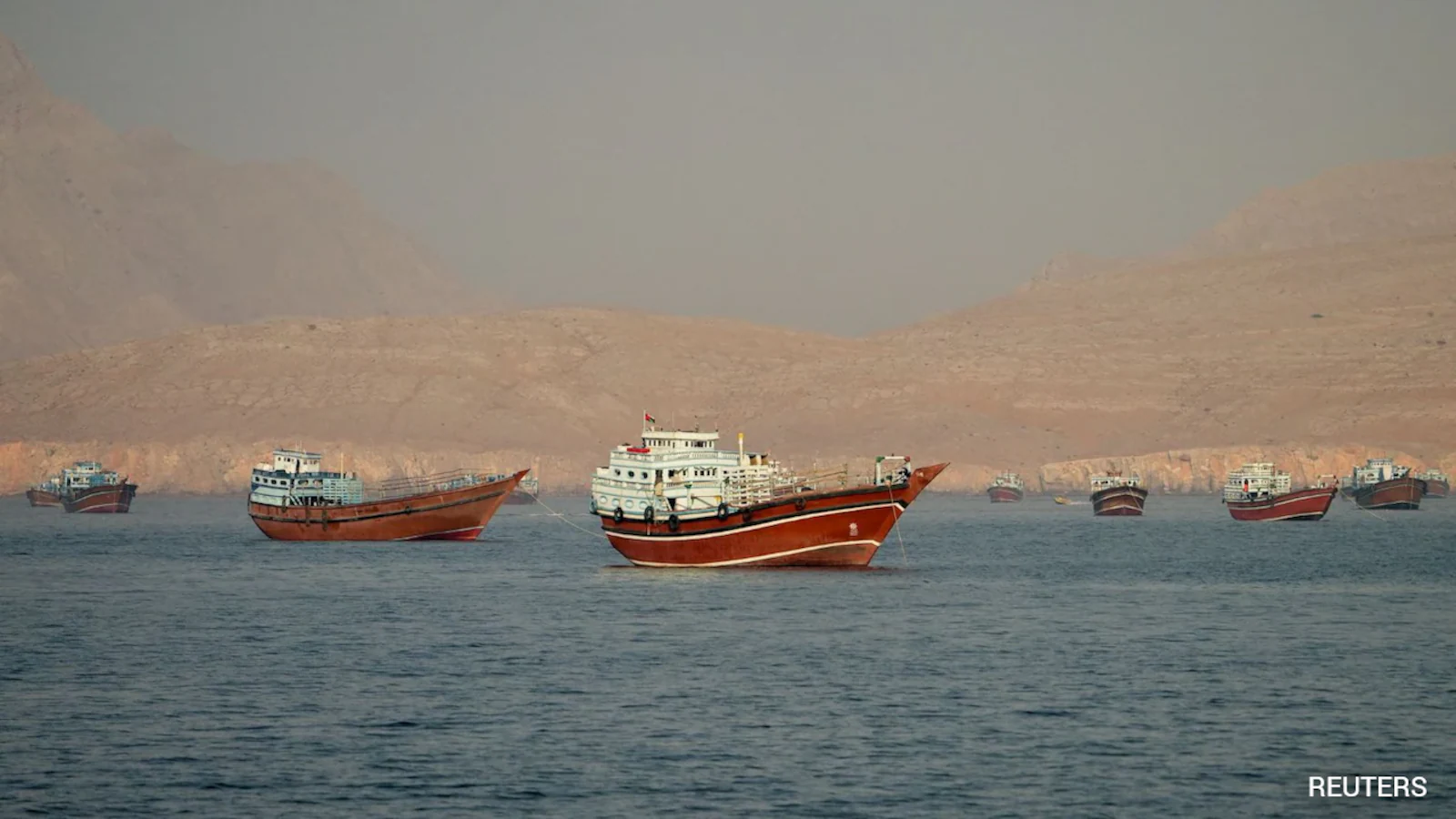
First the ships stopped, then oil prices shot up, stock markets and currencies saw an unprecedented plunge, supply chains were hit and prices of commodities pinched pockets – these events unfolded within days of the closure of a marine chokepoint that stretched just over 30 kilometres at its narrowest.
While the closure of the Strait of Hormuz after US, Iran and Israel first traded strikes on February 28 continued to keep the world on the edge till months later, a memorandum of understanding announced by President Donald Trump has offered more than a sliver of hope. “Ships of the World, start your engines,” he wrote. “Let the oil flow!”
With the US and Iran set to sign the deal on Friday in Geneva, the consequent opening of the strait will have far-reaching outcomes, given that it saw the passage of 20 per cent of the world’s oil before the war. Experts warn a complete return to normalcy could spill into the next year.
Shipping, Supply Chains
In Asia, countries like Philippines ordered a national energy emergency, while Japan and South Korea dug deep into their reserves to sustain through the crisis. In the West, the pinch was felt at fuel stations and in terms of higher airfares. The impact of just the announcement of an agreement has the world hopeful. Brent crude, the global oil benchmark, dropped 4.55 per cent to $83.36 per barrel, while Asian markets jumped.
Opinion | Hormuz Is Reopening, But It May Never Matter Quite The Same Way Again
Once the Strait of Hormuz opens and de-mining operations are completed, hundreds of tankers carrying oil, gas and fuel byproducts stuck in the Persian Gulf will begin their journey to Asian ports. This will set into motion the rectification of a disrupted supply chain from major suppliers like Saudi Arabia, Iraq, UAE, Kuwait and Qatar. A large chunk of this will be bound for Asian markets.
What will follow is a resumed fertiliser supply – from key exporters like Iran, Saudi Arabia, UAE, Qatar and Bahrain – to naptha, a key ingredient to manufacture plastic wrap used in food packaging, and cooking gas.
The reduced fertiliser supply has already impacted the May-July planting season in Asia, but further disruption could lead to reduced crop yields and ultimately food security concerns. Albert Park, chief economist at the Asian Development Bank, told New York Times, “The impact will be delayed, meaning we likely won’t see the brunt of the production shortfalls until later in the year.”
Months Of Struggle Before Normalcy
Joshua Ngu, vice chairman of Asia Pacific at the energy consultancy Wood Mackenzie, told New York Times that the economic disruptions caused by over 100 days of war won’t be solved in a short period of time. In gas markets, Ngu said, “The $100 oil price that we saw in March will only fully come through three to six months from then.”
This will directly impact Liquified Natural Gas (LNG) prices too, since they are indexed to oil prices and operate with a three to six months lag. So dropped fuel prices will be followed by lesser LNG prices only a few months later, which could mean the end of this year.
Hormuz Traffic Resumption Could Take Months
The maritime traffic in the Strait of Hormuz might take months to return to pre-war levels. Rockford Weitz, professor of practice in maritime studies at The Fletcher School at Tufts University, told Al Jazeera.
“This has been a much longer disruption in shipping than anyone expected. And the shipping industry is gonna be hesitant at first to go fully in,” he said. “Secondly, the production facilities of both oil and gas have been damaged in a number of Gulf countries, including in Qatar, Saudi Arabia and Kuwait. So there will be some time for that to recover.”
Haruhiko Sakaino, an advisor to Japan’s Agency for Natural Resources and Energy, likened the impact on global supply chains to damaged capillaries that will take a long time to recover. “It won’t be as simple as resuming imports,” he said.
#TheBreakfastShow | Opening Of Hormuz, Sanction Relief: What’s Inside US-Iran Deal To End War
NDTV’s @ParmeshwarBawa Decodes pic.twitter.com/IZXhZmEWbu
— NDTV (@ndtv) June 15, 2026
Implications For India
India is among the world’s largest crude importers, and the opening of the Hormuz Strait will allay concerns over oil supplies, freight costs and inflationary pressure.
Resumed flow from key suppliers to India, like Saudi Arabia, Iraq, Kuwait, UAE and Qatar, would help improve the outlook, with hopes that shipping insurance premiums and freight rates would come down. “State-owned fuel retailers booked losses in one quarter that were equal to the profit they earned in the entire year,” an industry official told PTI. “If the agreement holds, energy supplies will ease and so will the prices.”
Every sustained decline in oil prices will help reduce India’s import bill, support the rupee, narrow the current account deficit and ease inflationary pressures. Lower fuel costs can reduce transportation expenses, ease pressure on manufacturers and help moderate prices of goods ranging from food products to construction materials.
The benefits could be particularly significant for sectors such as aviation, petrochemicals, fertilizers, shipping and logistics, all of which are mimic the lows and highs of the energy sector.
A Tricky Optimism
These scenarios are imagined with the optimistic outlook that geopolitical stability remains. During the months-long cycle of ships clearing the strait, reaching their destinations and economies beginning to show any impact, a fresh breakout of the Middle East conflict would bring matters back to square one.
Add to this, a post-war world where alternate shipping routes have been explored and more importantly, the dynamics concerning the supply of oil and other critical resources and materials have changed.