“You close the Strait of Hormuz and you won’t have a country.”
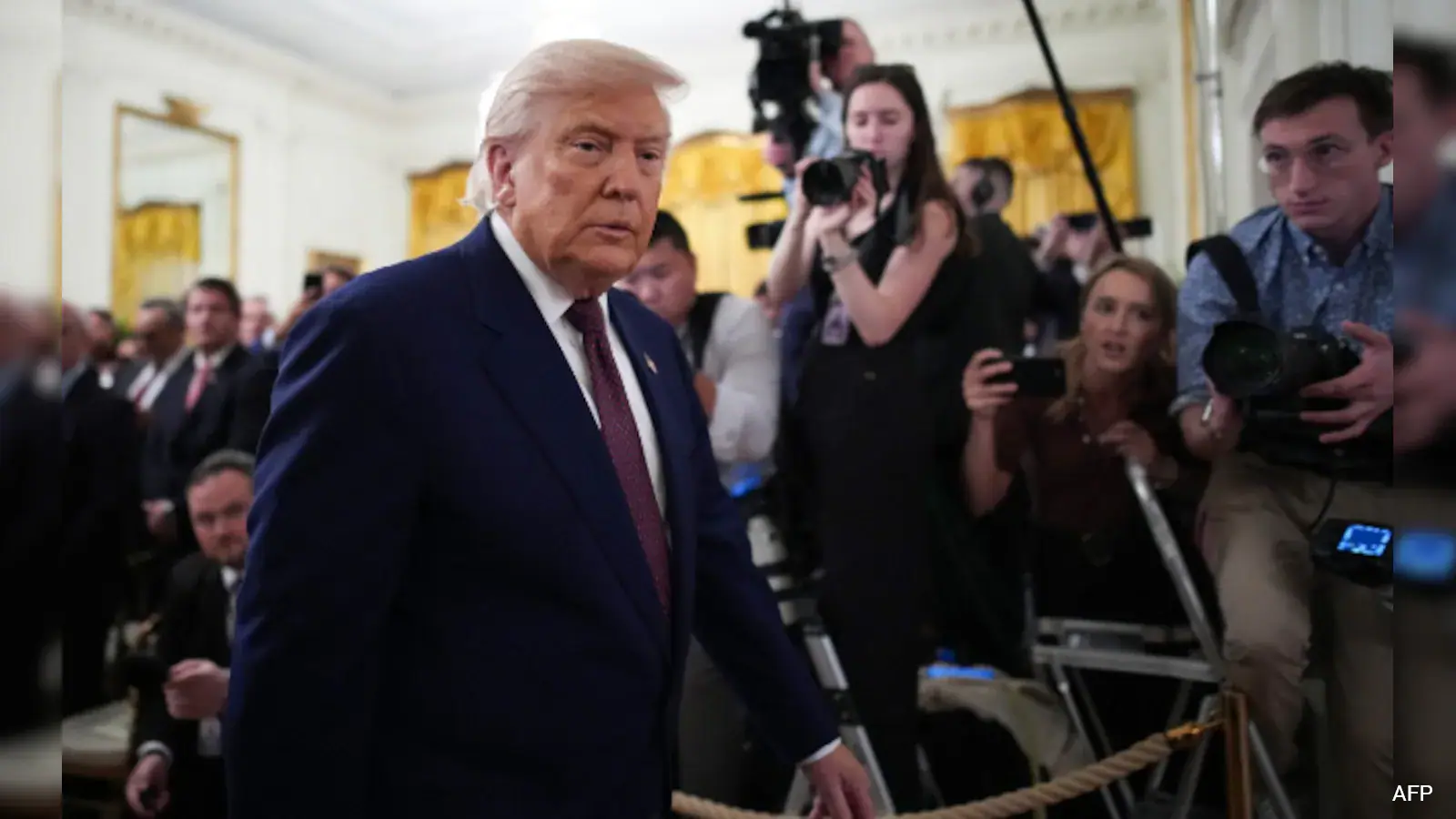
US President Donald Trump issued the warning to Iran at a time when officials from both countries were in Switzerland for talks aimed at reducing tensions, keeping the strategic waterway open, and avoiding a broader Middle East conflict.
The first round of talks between the United States and Iran concluded on Monday with an agreement to set up communication lines to keep the Strait of Hormuz open and push efforts to end fighting in Lebanon, mediator countries Pakistan and Qatar said in a joint statement.
Vice President JD Vance led the US delegation and began talks Sunday with Iranian officials in Switzerland, expressing hope that the two sides could “turn over a new leaf.”
The discussions, involving Iran’s Mohammad Bagher Ghalibaf, are part of a two-month negotiating period set out under a preliminary deal agreed last week.
Talks Amid Rising Tensions
The talks came after tensions flared over the weekend, with Iran saying it was closing the Strait of Hormuz in response to Israeli attacks on Lebanon.
The US Central Command said Saturday that commercial vessels were still passing through the waterway, but it said Sunday afternoon that it had no updates.
Trump Repeats Threats During Talks
Even as US officials were in Switzerland for negotiations, Trump continued to escalate his warnings.
In a phone interview on Sunday with Fox News’s Trey Yingst, Trump threatened to attack Iran and take over the Strait of Hormuz if Tehran interfered with passage through the waterway.
“You close [the Strait of Hormuz] and you won’t have a country,” Trump said he told Iranian officials, Yingst posted on X. “You won’t even make it back to your f***ing country.”
“You close it and you won’t have a country.” President Trump said he told Iranian officials about the Strait of Hormuz. “You won’t even make it back to your fu*king country.”
“We may take over the Strait, if we have to,” Trump said. “If they don’t make a deal, we’ll collect… pic.twitter.com/cErvdjCJmK
— Trey Yingst (@TreyYingst) June 21, 2026
Trump also underscored the threat in a Truth Social post in which he urged Iran to stop Hezbollah militants in Lebanon from “causing trouble.”
“If they don’t, we’ll hit Iran very hard again, just like we did last week, only harder,” he said.
Iran’s Response
Iran hit back with a warning of its own. Chief negotiator Mohammad Bagher Ghalibaf warned the United States to be cautious in its statements, saying Iran’s armed forces were ready to respond differently.
“They would do better to be careful with their statements; our armed forces are ready to respond to them in a different manner. No matter what they say, we are the ones who act,” Iran’s chief negotiator Mohammad Bagher Ghalibaf said.
Agreement On Hormuz Communication Line
The safe passage of commercial vessels through the strait is critical to bringing down global oil prices. Since the war began February 28, surging oil prices have hurt the US economy and taken a toll on Trump’s approval ratings amid consumer worries about higher gasoline costs.
At the end of the first round of talks, mediators Pakistan and Qatar said Washington and Tehran had agreed to establish a “communication line” to avoid incidents in the Strait of Hormuz.
“A communication line between the parties has been formed… to avoid incidents and miscommunication with the aim of safe passage for commercial vessels through the Strait of Hormuz,” Pakistan and Qatar said in a joint statement following first-round talks between Washington and Tehran to end the Middle East war.
(With inputs from agencies)