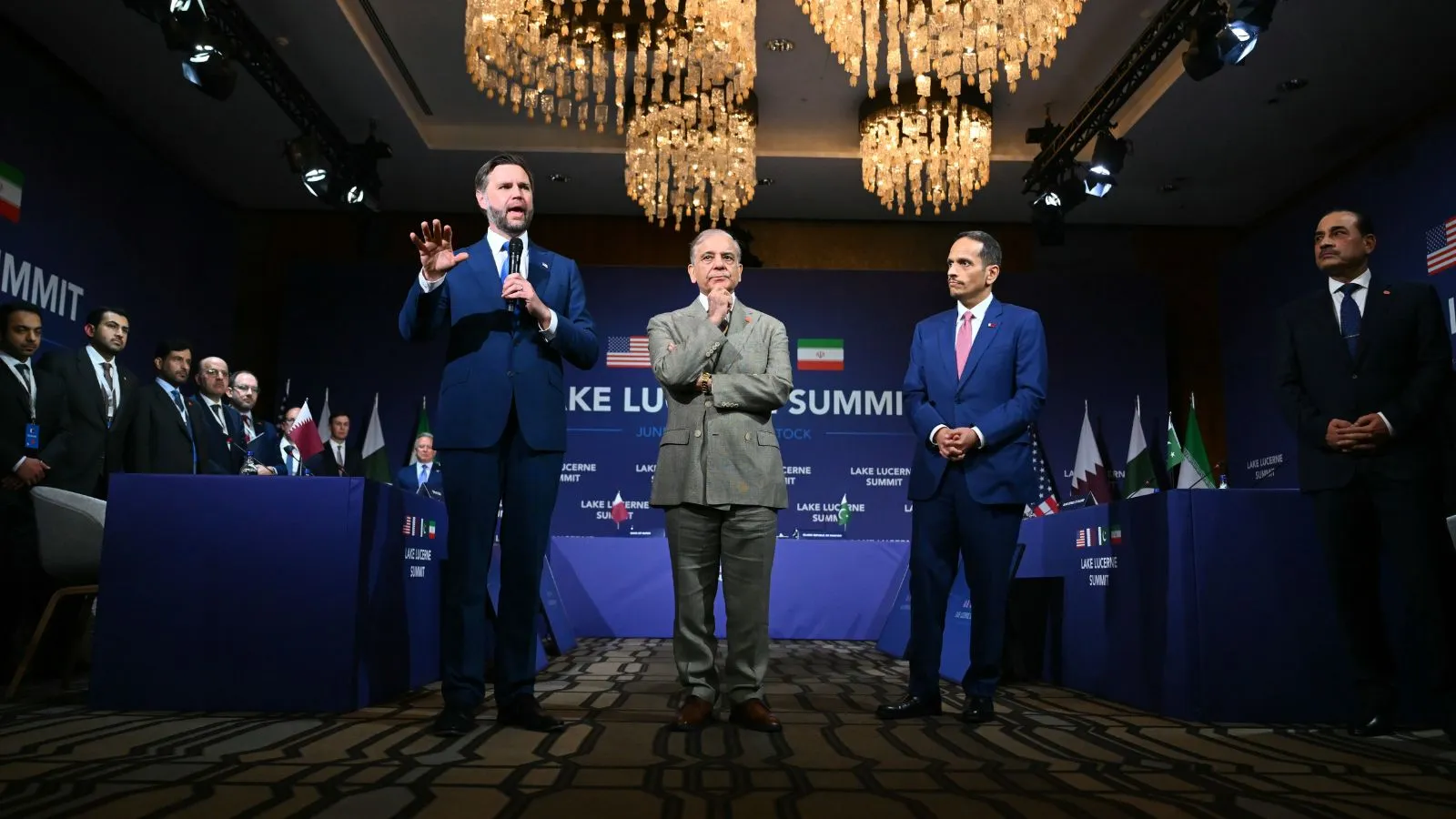
Talks between US and Iranian negotiators in Switzerland were disrupted over the weekend after Iran’s delegation briefly walked out in protest at a series of threats made by US President Donald Trump, even as both sides reported some progress on sanctions relief.
Trump, posting on social media and speaking to Fox News, threatened to strike Iran again and suggested the US could “take over” the Strait of Hormuz and start charging tolls if no deal is reached. He also used threatening language directed at Iran’s negotiating team over the strait’s closure.
Trump says he spoke with Iranian officials and told them, “You close the Strait of Hormuz and you won’t have a country.”
He also told them, “You won’t even make it back to your f*cking country.”
Source: Fox News pic.twitter.com/LpaY2rG0CK
— Clash Report (@clashreport) June 21, 2026
Iranian officials called the remarks a threat to their personal safety and noted they came despite a non-aggression clause in the memorandum both sides signed last week.
— Rapid Response 47 (@RapidResponse47) June 21, 2026
How did Iran respond?
Iran’s chief negotiator, Mohammad Bagher Ghalibaf, dismissed the threats, saying Tehran does not factor American warnings into its decisions and that Iran, not the US, determines outcomes through action.
Iran’s delegation walked out of face-to-face talks at Bürgenstock, leaving Qatar and Pakistan both acting as mediators to keep communication going. It remains unclear whether the walkout is a lasting rupture or a symbolic protest.
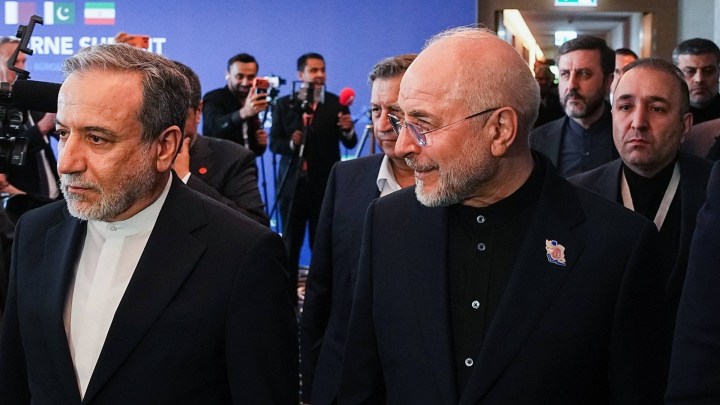
Iranian officials said a draft agreement was reached on US waivers to lift sanctions on Iranian oil exports a key precondition for Iran to begin nuclear talks along with progress on unfreezing Iranian assets held overseas.
Ghalibaf arrived accompanied by the heads of Iran’s national oil company and central bank, signalling sanctions relief was central to Tehran’s agenda.
Story continues below this ad
What is Vance’s role in all this?
Vice President JD Vance, leading the US delegation alongside Jared Kushner and Steve Witkoff, struck a markedly different tone from Trump, saying the president had asked negotiators to “turn over a new leaf” with Iran.
He said the US was open to transforming the relationship if Iran gave up its nuclear ambitions and stopped destabilising the region, and downplayed the Lebanon violence as something that happens in any negotiation.
Why did Iran say it shut the Strait of Hormuz again?
Iran cited continued Israeli strikes in Lebanon, which it said breached the ceasefire terms in the memorandum. However, maritime tracking data cited by the BBC shows vessels continuing to transit the strait, and the US has disputed Iran’s closure claim.
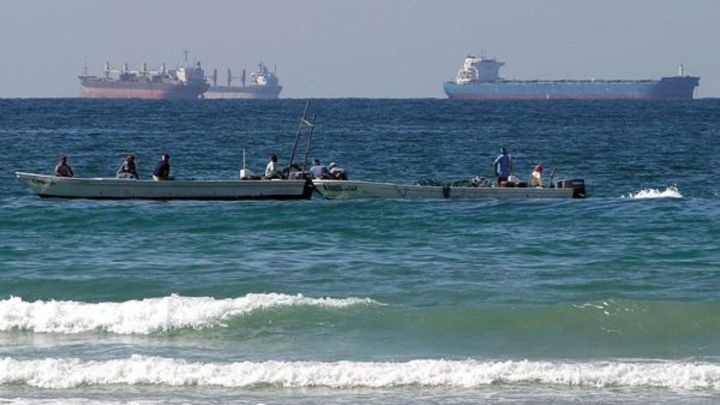
US Energy Secretary Chris Wright said dozens of ships passed through over the weekend with no disruption.
Story continues below this ad
Where do things stand now?
Despite the walkout, the quadrilateral format involving the US, Iran, Pakistan and Qatar continued, with Pakistan’s prime minister and army chief, and Qatar’s prime minister, also present in Switzerland.
The UN’s nuclear watchdog chief, Rafael Grossi, was on site too, though Iran wants to delay inspection talks until the sanctions issue is settled.
The original 60-day window to finalise a deal remains in place, but with no clear resolution yet on Lebanon, the strait, or the broader nuclear file.