China’s President Xi Jinping will visit North Korea on Monday as he seeks to cement Beijing’s influence in its own backyard, following summits with US counterpart Donald Trump and Russia’s Vladimir Putin.
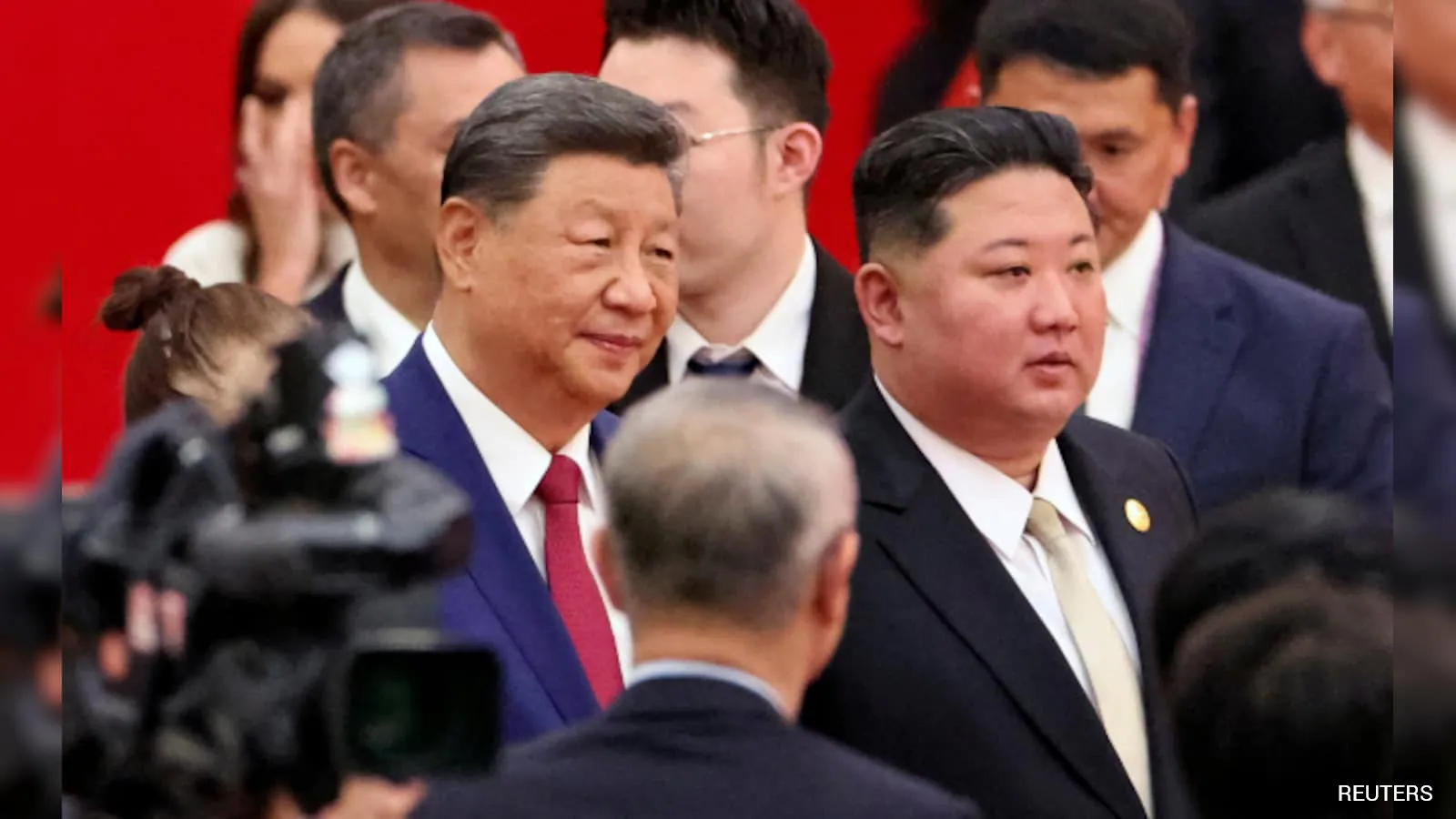
Here’s what to expect during Xi’s summit with North Korean leader Kim Jong Un:
What Happened During Past Meetings?
In 2019, Xi became the first Chinese leader to visit North Korea in 14 years.
Thousands waved flags as the two leaders drove through Pyongyang in an open-topped limousine, and watched performances depicting Chinese and Korean soldiers fighting together in the Korean War.
Xi hailed the two countries’ “unbreakable friendship”, and analysts will be watching for similar pageantry next week.
Kim had said a year prior that North Korea and China were “like family”, keen for close ties to the Asian giant his country relies on economically.
But Kim has sought to balance that dependency in recent years by growing ties with Russia.
China-North Korea exchanges shuddered to a halt when Pyongyang shuttered its borders during the Covid-19 pandemic.
Direct air and rail travel between the two countries is only gradually re-opening from March this year.
The two leaders last met in Beijing in September, when Kim attended China’s huge military parade marking the 80th anniversary of the end of World War II.
Why Now?
After hosting meetings with Trump and Putin, Xi is “moving swiftly to establish a ‘mediator’s veto’ on the Korean peninsula”, according to Seong-Hyon Lee of the George HW Bush Foundation for US-China Relations.
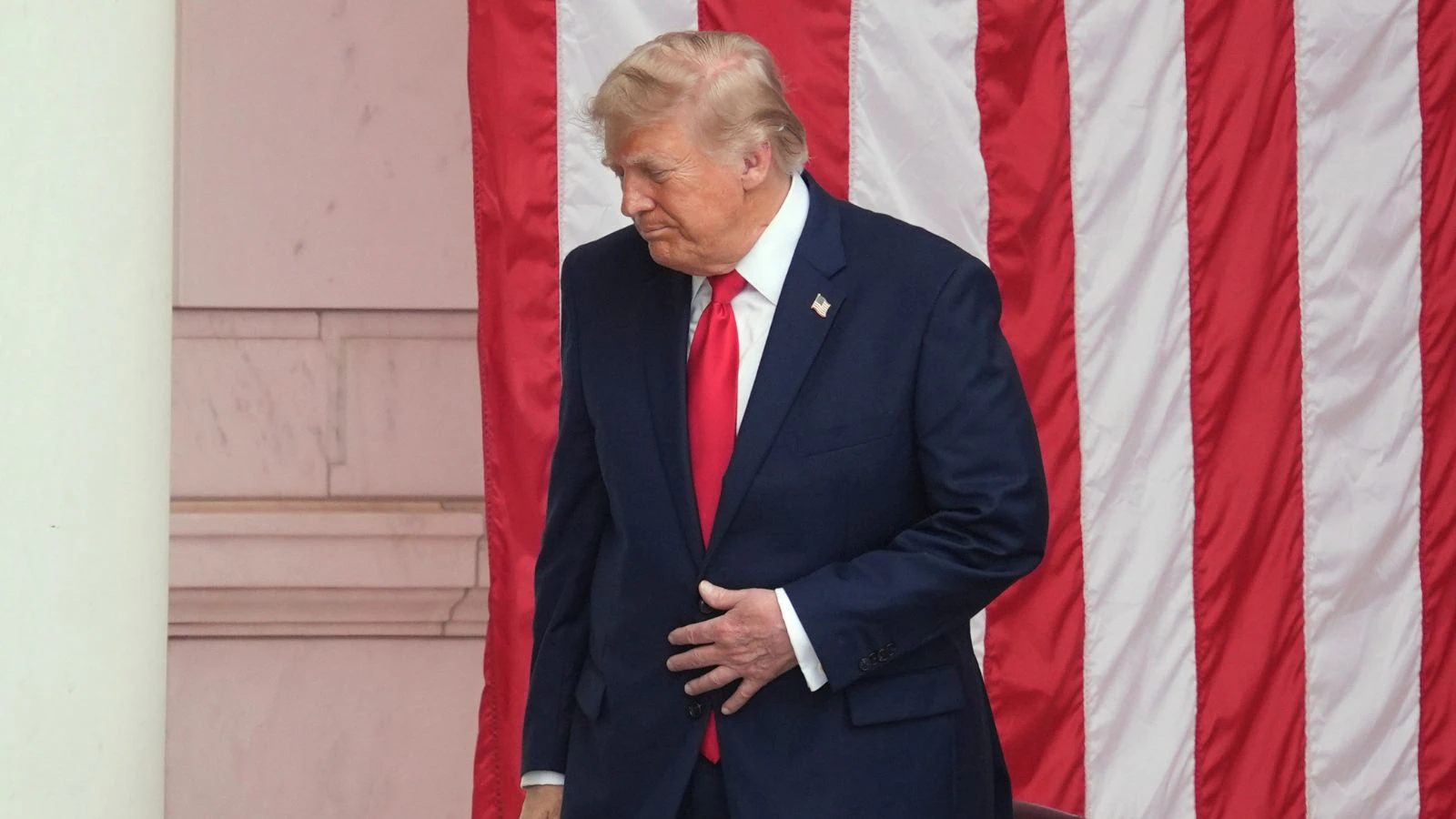
Trump has said he is open to meeting again with Kim, who he met three times during his first term.
“By inserting himself into Pyongyang now, Xi is ensuring that any resurrected Washington-Pyongyang diplomatic track cannot bypass Beijing’s core interests or alter the region’s security architecture without his concurrence,” Lee told AFP.
Beijing also wants “balance by keeping the increasingly close relationship between North Korea and Russia in check”, said Hong Min of the Korea Institute for National Unification in Seoul.
Pyongyang’s recent touting of new nuclear facilities and missile tests may also worry Beijing.
Kim vowed on Wednesday an “exponential” increase in nuclear military capabilities, Pyongyang’s state news agency KCNA said.
Diplomatically isolated North Korea is already under heavy international sanctions over its nuclear activity.
“Beijing recognises an urgent need to manage this friction before Kim’s actions force an irreversible, automated expansion of US, South Korean, and Japanese military assets into China’s immediate periphery,” Lee said.
What Do Xi And Kim Want?
Xi’s visit will be his first foreign trip this year, after hosting dozens of world leaders in recent months.
Visiting North Korea is “a deliberate visual rebuttal to the prevailing read in Western capitals that Pyongyang had quietly migrated into Moscow’s orbit”, according to Lee.
Xi will seek to assert China’s central role in the region, while for Kim, just the “visual deference of a visit on North Korean soil” is a win, Lee said.
The visit is also part of a wider effort by China, Russia and North Korea “to present a united front against the US and Japan”, according to Lim Eul-chul, a North Korea expert at the South’s Kyungnam University.
Nevertheless, North Korea has “few options to turn to for diplomatic recognition by a major power”, and may seek more development aid from China, according to James Char of Singapore’s Nanyang Technological University.
What Could It Mean For The Region?
“This summit represents Beijing’s tacit endorsement of Kim’s nuclear status,” Lee said.
“China is increasingly willing to absorb the rising ‘cost of tolerance’ for North Korea’s nuclear advancements because an assertive Pyongyang effectively ties down American and allied military resources.”
But Beijing is still keen to limit Pyongyang’s potentially destabilising actions in the region.
“If North Korea acts in a provocative and belligerent manner, it could trigger regional conflict, which could run counter to China’s interests,” said Hong Min.
South Korea has said it hopes exchanges between North Korea and China contribute to peace and stability.
“We can expect future ties to be highly transactional,” Lee said.
“North Korea will provide geopolitical friction against the US and its allies, and in exchange, China will provide the structural, economic lifeline necessary for regime survival.”
(Except for the headline, this story has not been edited by NDTV staff and is published from a syndicated feed.)