Rabies is one of the world’s deadliest infectious diseases, yet it is almost entirely preventable with timely medical care. Every year, thousands of people—many of them children—lose their lives after exposure to infected animals, often because they fail to seek treatment early….
Rabies is one of the world’s deadliest infectious diseases, yet it is almost entirely preventable with timely medical care. Every year, thousands of people—many of them children—lose their lives after exposure to infected animals, often because they fail to seek treatment early.
Understanding how rabies spreads, recognising its warning signs and knowing what to do after a bite can mean the difference between life and death.
Here are 30 important facts everyone should know about rabies in humans.
1. Rabies is a viral disease that attacks the brain and central nervous system.
2. It is a zoonotic disease, meaning it spreads from animals to humans.
3. Rabies is almost always fatal once symptoms begin.
https://www.tvcnews.tv/canadian-boy-dies-of-rabies-after-waking-up-with-bat-on-his-face/
4. The disease is caused by lyssaviruses, including the rabies virus.
5. Dogs are responsible for more than 99 per cent of human rabies cases globally.
6. In the Americas, bats are the leading source of human rabies infections.
7. Rabies is commonly transmitted through the bite or scratch of an infected animal.
8. The virus can also spread if infected saliva enters the eyes, nose, mouth or an open wound.
9. The incubation period is usually one to three months but can range from less than a week to more than a year.
10. Early symptoms include fever, headache and unusual sensations around the bite site.
11. As the disease progresses, victims may develop nausea, vomiting, anxiety, confusion and agitation.
12. Hydrophobia, or fear of water caused by painful throat spasms when swallowing, is one of the best-known symptoms of rabies.
13. Excessive saliva production and difficulty swallowing are common in advanced stages of the disease.
14. Some patients experience hallucinations, aggression, paralysis or loss of consciousness.
15. Death usually occurs within two to ten days after symptoms first appear.
16. Prompt treatment before symptoms develop can prevent rabies completely.
17. Immediately washing a bite or scratch with soap and running water for at least 15 minutes can reduce the risk of infection.
18. Applying povidone-iodine or another antiseptic after washing the wound may further reduce the virus.
19. Anyone bitten by a suspected rabid animal should seek urgent medical attention.
20. Post-exposure treatment usually includes rabies vaccination and, in some cases, rabies immunoglobulin.
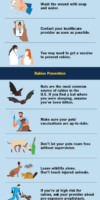
21. People at high risk, such as veterinarians, animal handlers and bat researchers, are advised to receive pre-exposure vaccination.
22. Rabies can only be reliably diagnosed after symptoms appear using specialised laboratory tests.
23. Vaccinating dogs and other domestic animals remains the most effective way to prevent human rabies.
24. Avoid handling wild animals or stray animals, especially those behaving unusually.
25. Children account for about 40 per cent of all rabies deaths worldwide.
26. More than 95 per cent of human rabies deaths occur in Africa and Asia.
27. Rabies is present in more than 150 countries but is absent from Antarctica.
28. The disease causes an estimated 59,000 human deaths every year worldwide.
29. World Rabies Day is observed annually on 28 September to promote awareness, prevention and elimination of the disease.
30. Rabies is one of the deadliest infectious diseases, but it is also one of the most preventable through responsible pet vaccination, prompt wound care and timely medical treatment after exposure.