BELLO AKINKUNMI YAKUB
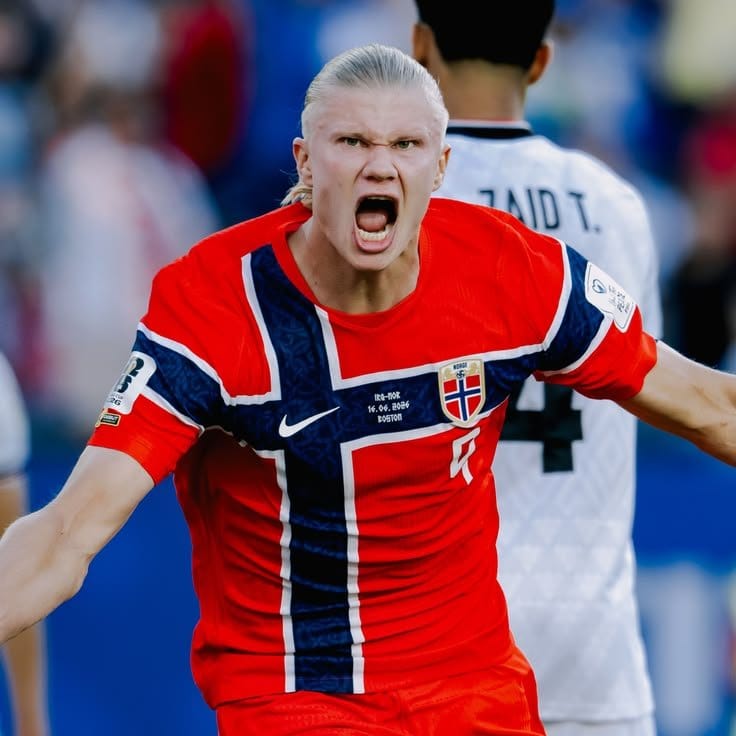
As the 2026 FIFA World Cup continues to captivate global audiences, one player has emerged as the embodiment of power, speed and ruthless finishing, Norway’s prolific striker, Erling Braut Haaland. Towering at 6 feet 5 inches (196 cm) and weighing approximately 91 kilograms, Haaland has become one of football’s most feared forwards, combining extraordinary physical attributes with remarkable technical ability and relentless determination.
His remarkable rise is no accident. Rather, it represents the convergence of exceptional family sporting heritage, disciplined personal development, world-class nutrition, scientific recovery methods and Norway’s unique youth sports philosophy that prioritizes participation and long-term athlete development over early victories.
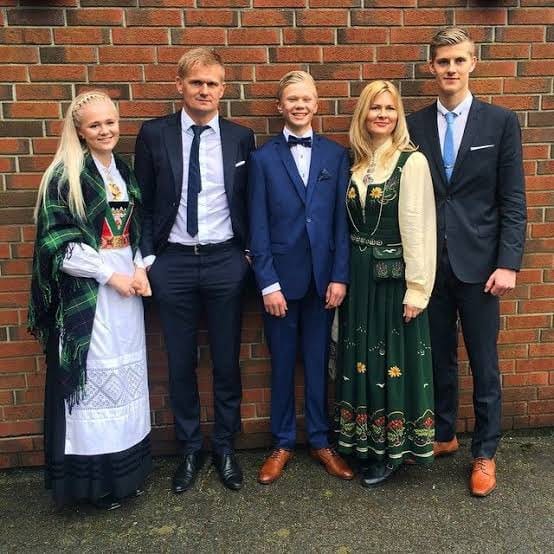
Haaland was born into sporting excellence and inherited an exceptional sporting foundation from both parents. His father, Alf-Inge Haaland, enjoyed a distinguished professional football career with Nottingham Forest, Leeds United and Manchester City while also earning 34 international appearances for Norway starring in USA 94′ for the Scandinavian country. His mother, Gry Marita Braut, was an accomplished Norwegian heptathlon champion whose athleticism, discipline and physical conditioning exemplified elite sporting excellence.
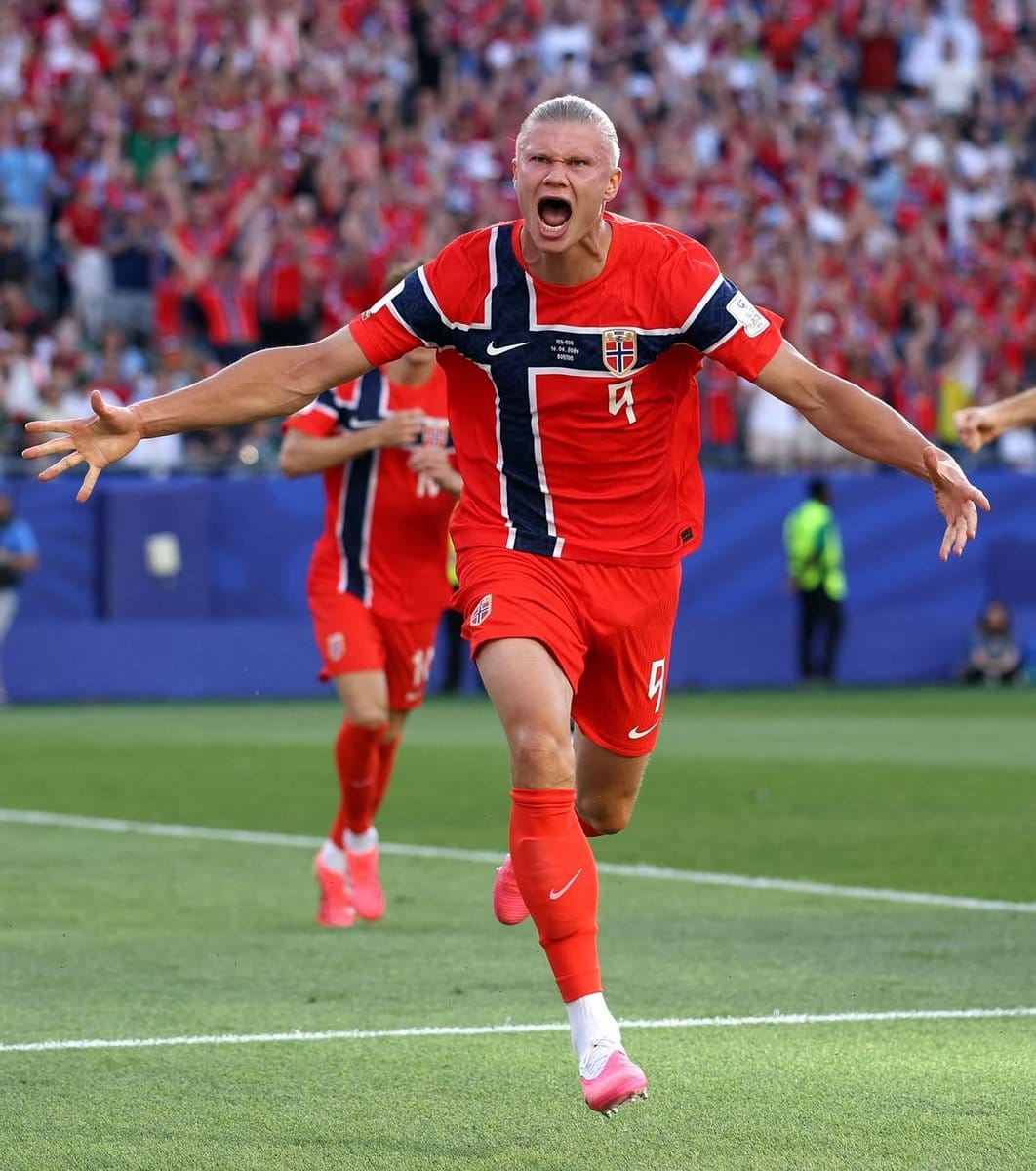
Sports scientists have long acknowledged that genetics can influence traits such as height, speed, muscle composition and endurance. However, genetics merely provide potential. Transforming that potential into world-class performance requires years of disciplined training, expert coaching, proper nutrition, quality recovery and unwavering commitmen, qualities Haaland has consistently demonstrated throughout his career.
Erling Haaland’s development mirrors Norway’s revolutionary grassroots football philosophy. Unlike many countries where children are subjected to intense competition and early specialization, Norway’s youth development system embraces a different principle: “As many as possible, for as long as possible, and as good as possible.” Growing up at Bryne FK, Haaland played in an environment where football was accessible, enjoyable and focused on long-term development rather than immediate results. Volunteer coaches emphasized learning, creativity and teamwork instead of league tables and trophies.
This child-centred philosophy encourages youngsters to participate in multiple sports, reducing burnout while developing broader athletic abilities, coordination and resilience. Norway’s investment in community clubs, volunteer coaching and accessible facilities has created an environment where elite talent can flourish naturally. Today, Norway’s impressive performances on the world stage are increasingly viewed as validation of a sports policy that places children’s development ahead of short-term success.
Haaland’s physical dominance is fuelled and supported by an equally remarkable nutritional strategy. Reports indicate that he consumes approximately 6,000 calories daily during periods of intense training and competition to sustain his demanding workload. His “Viking” diet reportedly emphasizes nutrient-dense whole foods including premium beef, salmon, eggs, organ meats, whole grains, vegetables and dairy products. These foods provide high-quality protein for muscle repair, healthy fats for hormone production, complex carbohydrates for sustained energy and essential vitamins and minerals that aid recovery.
Nutrition experts generally agree that elite athletes often require carefully planned, high-energy diets tailored to their individual physiology and training demands. Such diets are supervised by professional nutritionists and are not intended as a one-size-fits-all approach for the general public.
The hidden competitive edge beyond training and nutrition is that Erling Haaland treats recovery as an integral component of performance. His routine reportedly includes consistent sleep schedules, physiotherapy, stretching, massage, mobility exercises and cold-water recovery techniques. This holistic approach enables him to recover more effectively, reduce injury risk and maintain peak performance throughout long and demanding seasons.
During the current 2026 FIFA World Cup, Haaland chose to wear “Braut Haaland” on the back of his jersey, paying tribute to his mother’s maiden name and acknowledging the profound influence both parents have had on his development through super genetic combinations. The gesture symbolizes more than family pride, it recognizes the dual sporting legacy that helped shape one of football’s most formidable talents.
The lesson behind Erling Braut Haaland’s extraordinary success illustrates that sporting greatness is rarely the product of a single factor. Genetics may provide the foundation, but sustained excellence is built through disciplined training, supportive family structures, intelligent coaching, sound public sports policies, proper nutrition and an unwavering commitment to continuous improvement.
Norway’s emergence as a footballing force demonstrates that investing in inclusive grassroots participation, rather than early specialization and excessive pressure, can produce not only happier young athletes but also world-class performers capable of competing at the highest level.
As Haaland continues to lead Norway’s historic World Cup campaign, he stands as compelling evidence that when natural talent is nurtured by enlightened sports policy, scientific preparation and relentless dedication, the result can be one of the most complete strikers of his generation, an elite athlete whose achievements inspire a new generation of footballers around the world.
*- Bello Akinkunmi Yakub writes from Lagos, Nigeria ([email protected])*