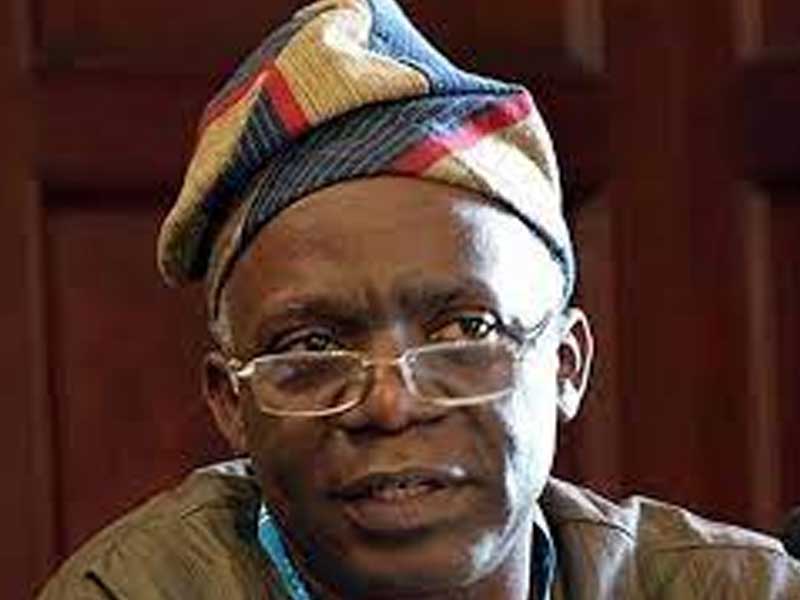
In this interview, Chairman of the Society of Petroleum Engineers (SPE) Nigeria Council, Francis Nwaochei, speaks on Nigeria’s ongoing upstream sector reforms, the broader African energy ecosystem as well as the upcoming 49th Nigeria Annual International Conference and Exhibition (NAICE 2026). Emmanuel Addeh brings the excerpts.
Today, everyone is talking about energy transition. How does SPE envision balancing energy security, economic growth and decarbonisation without compromising Africa’s development aspirations?
The foundation for sustainable growth is policy stability. Predictable policies enable businesses to plan, attract financing, increase foreign direct investment and make long-term investments with confidence.
Equally important is accelerating technology adoption across the energy value chain. Technology drives exponential growth, competitiveness and investment. Korea’s rapid emergence in AI demonstrates how innovation creates economic and financial advantage. That is the approach SPE is championing, and one Nigeria must embrace.
At SPE Nigeria Council, we view the energy trilemma as complementary, not competing. Energy security, economic growth and environmental sustainability must advance together.
Africa needs a pragmatic, just energy transition. Oil and gas will remain vital to economic growth while the industry reduces emissions, eliminates routine gas flaring, improves efficiency and deploys cleaner technologies. Natural gas is the critical transition fuel, providing reliable power and enabling greater renewable integration. Revenues from today’s hydrocarbons should finance tomorrow’s renewable energy, innovation and sustainable infrastructure.
We understand your annual programme is upcoming. What inspired the theme for this year’s NAICE, and why is it particularly relevant to Nigeria and Africa at this moment?
The theme: “Thriving in the Evolving Global Energy Landscape: Collaborative Growth and Resilience,” reflects the realities of today’s energy industry. Resilience defines Nigeria’s energy journey.
Globally, as noted by Senator Heineken Lokpobiri, Nigeria’s Honourable Minister of State for Petroleum Resources (Oil), the conversation is shifting from a singular focus on energy transition to a balanced energy mix, with energy security reaffirming the strategic role of oil and gas.
Hon. Ekperikpe Ekpo, Honourable Minister of State for Petroleum Resources (Gas), once emphasised that gas must deliver tangible benefits to citizens. Achieving this requires collaboration among government, regulators, industry, investors, academia and technology providers.
Reforms such as the Petroleum Industry Act (PIA), NNPC Limited’s commercialisation, Executive Orders, indigenous participation and digital innovation demonstrate Nigeria’s progress. NAICE 2026 provides the platform to convert these opportunities into practical actions that will strengthen Nigeria’s energy future and advance Africa’s broader energy transformation.
Is there anything that distinguishes the 2026 edition from previous conferences, and what should delegates expect in terms of innovation, technical content and strategic dialogue?
NAICE 2026 marks a defining shift in the conference’s evolution; from discussing challenges to delivering solutions, implementation, and measurable impact. This year’s programme reflects Nigeria’s changing upstream landscape, with indigenous operators taking centre stage following recent asset divestments.
As the industry pursues the national target of 3 million barrels per day, NAICE provides the platform for government, regulators, operators, and service companies to assess progress, share achievements, and define the next phase of growth.
We are going to build on the conversations at the Oloibiri Lecture Series and Energy Forum (OLEF) held earlier this year with industry leaders returning to report on implementation and future priorities.
Delegates will benefit from a record programme of over 600 peer-reviewed technical papers, focused topical workshops on indigenous participation, executive panels on policy implementation, and, for the first time, a Career Fair and Patent & Innovation Showcase.
Together, these elements make NAICE 2026 the industry’s most comprehensive platform for technical excellence, innovation, collaboration, and talent development.
Still on Nigeria’s changing oil and gas ecosystem, from your perspective, what qualities must energy companies and professionals develop to remain resilient amid market volatility, geopolitical uncertainties and changing climate expectations?
Resilience is now a defining advantage in the energy industry. Volatile markets, geopolitical shifts, technological disruption, evolving regulations and rising climate expectations demand constant adaptation. Success rests on three pillars.
First is operational excellence: Companies must optimise assets, improve efficiency and maintain low operating costs to stay competitive through market cycles. Second is technological capability: Africa must develop indigenous solutions by strengthening engineering talent, driving innovation and accelerating digital adoption and third is continuous learning. Energy professionals need multidisciplinary skills spanning AI, data analytics, automation, carbon management and sustainability.
True resilience means anticipating change, embracing innovation and sustaining competitiveness in a rapidly evolving global energy landscape.
How do you see Nigeria’s upstream sector reforms shaping investment opportunities and industry growth, and how will these conversations feature at the upcoming event?
Nigeria’s upstream industry is entering a more competitive era, driven by reforms that strengthen investor confidence, improve operational efficiency and enhance the country’s appeal for energy investment.
The Petroleum Industry Act (PIA), supported by targeted fiscal measures, has created a more transparent, commercially focused environment, while stronger indigenous operators are unlocking new opportunities for investment, financing and technology partnerships.
At NAICE 2026, the executive session on “Policy in Practice: Aligning Fiscal Strategy, Foreign Investment and Local Content for Sustainable Growth”, will bring together regulators, operators, investors and financiers to examine how these reforms are delivering tangible commercial outcomes and long-term industry growth.
Young professionals and students have always been integral to SPE’s mission. What opportunities will NAICE 2026 provide to inspire, mentor and equip the next generation of African energy leaders?
Developing the next generation of energy professionals remains central to SPE’s mission. As the industry evolves, we must preserve institutional knowledge while equipping young professionals with the digital and technical capabilities needed for the future.
At NAICE 2026, the SPE Nigeria Patent Recognition Initiative, Career Fair, and student awards will celebrate innovation, technical excellence, and emerging talent.
The Young Professionals Workshop, themed “Collaborative Growth in the Energy Sector: How Young Professionals Can Drive Innovation and Competitiveness,” will connect participants with industry leaders, policymakers, and technical experts through mentoring and interactive discussions. Complemented by technical sessions, innovation competitions, short courses, and networking opportunities, NAICE 2026 aims to develop innovators, entrepreneurs, and future leaders who will shape Africa’s energy industry.
Women continue to play increasingly influential roles across the energy value chain. Is there any role for the Women Leadership Programme during this year’s conference?
The future of the energy industry depends on attracting and empowering the best talent, regardless of gender. Diverse leadership drives better decisions, fuels innovation and strengthens organisational performance in a rapidly evolving industry.
The NAICE 2026 Women Leadership Programme embraces this vision through the theme, “Elevating Leadership through Empathy, Well-being and Human-Centered Decision-Making.” It recognises that effective leadership requires not only technical expertise but also emotional intelligence, resilience and the ability to lead through change.
As organisations navigate restructuring, asset divestments, mergers, acquisitions and regulatory shifts, leaders must balance commercial success with employee well-being and culture. The session will bring together accomplished executives, industry leaders and policymakers who will share practical insights to building inclusive, resilient and high-performing organizations.
What opportunities exist for global partnerships, investment, knowledge exchange and cross-border collaboration?
The programme has grown beyond a technical conference into one of Africa’s leading energy platforms, connecting decision-makers across the global energy value chain. This year’s event brings together investors, indigenous operators, technology firms, service providers, financiers, regulators and development partners to forge new partnerships and strengthen existing ones.
Nigeria’s evolving upstream sector offers significant opportunities in asset development, technology, financing, digital transformation and capacity building, with NAICE providing direct access to key industry leaders. Through technical sessions, executive dialogues and the exhibition, participants will exchange practical insights and innovations that drive collaboration, investment and sustainable energy growth across Africa.
Beyond the conference sessions, what lasting impact do you expect NAICE 2026 to have on Nigeria’s energy industry and the broader African energy ecosystem?
The true measure of any conference is the impact it creates after the event. NAICE 2026 is designed to deliver three lasting outcomes.
First, recommendations from strategic sessions will be consolidated into a conference communiqué to inform government, regulators and industry, supporting evidence-based policy.
Second, stronger partnerships among investors, operators, technology providers and financiers will accelerate projects, improve efficiency and expand indigenous participation.
Third, technical programmes, workshops, mentoring and professional development will equip participants with new skills, fresh perspectives and stronger networks.
NAICE will remain a catalyst for innovation, investment, professional excellence and sustainable energy development across Nigeria and Africa.
Any message for industry stakeholders, investors, policymakers, researchers, exhibitors and aspiring energy professionals about why they should participate in the programme?
My message is simple: if you want to help shape Africa’s energy future, NAICE 2026 is where you need to be. Our industry is transforming rapidly. Investment is evolving, technology is accelerating, indigenous companies are taking the lead, and the drive for sustainable energy is creating new opportunities for those ready to collaborate and innovate.
Whether you are an investor, operator, policymaker, researcher, technology provider, exhibitor, student, or young professional, NAICE offers unrivalled access to ideas, partnerships, innovation, and decision-makers shaping Africa’s energy landscape.
They all need to join us in Lagos, from 3–5 August 2026. Together, we will strengthen partnerships, unlock opportunities, and define the next chapter of Africa’s energy story.