As the US celebrates its 250th independence day on July 4, Numerous leaders have encouraged the country. From Patrick Henry’s revolutionary defiance t…
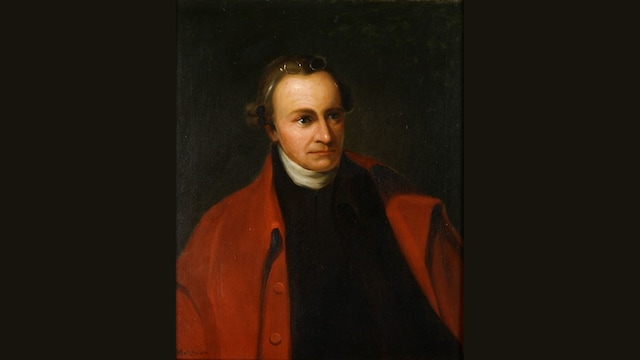
(Photo Credit : Wikimedia Commons)
 1/11
1/11During the 1775 American Revolution, Patrick Henry said, “Give me liberty, or give me death!” as Britain tightened its grip on the American colonies, Virginia’s leaders debated whether to prepare for war. Henry’s call for liberty helped rally support for independence and became one of the defining cries of the American Revolution.
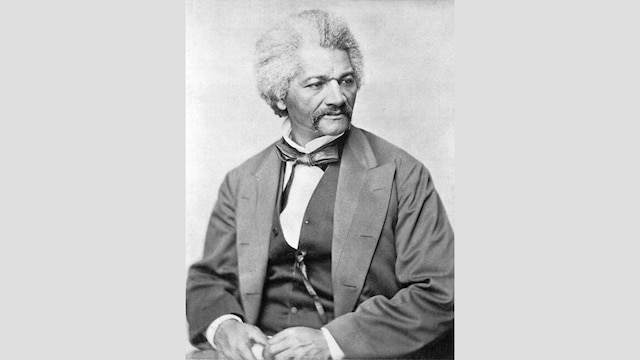
(Photo Credit : Wikimedia Commons)
2/11During the 1852 slavery and abolition period, Frederick Douglass said, “What, to the American slave, is your fourth of July?” to make Americans notice the contradiction between the country’s founding ideals and the reality of slavery.
(Photo Credit : Wikimedia Commons)
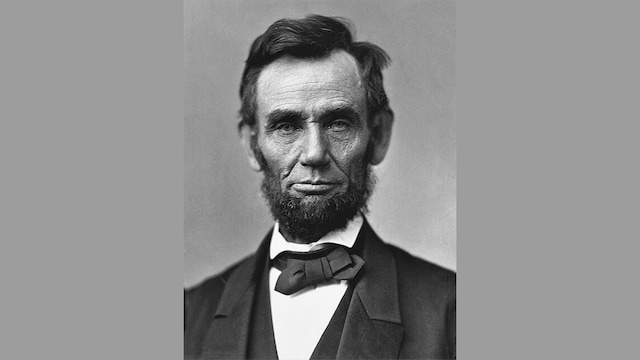
3/11In 1863, during the American civil war, Abraham Lincoln said Four score and seven years ago our fathers brought forth, upon this continent, a new nation, conceived in liberty, and dedicated to the proposition that all men are created equal.”
(Photo Credit : Wikimedia Commons)
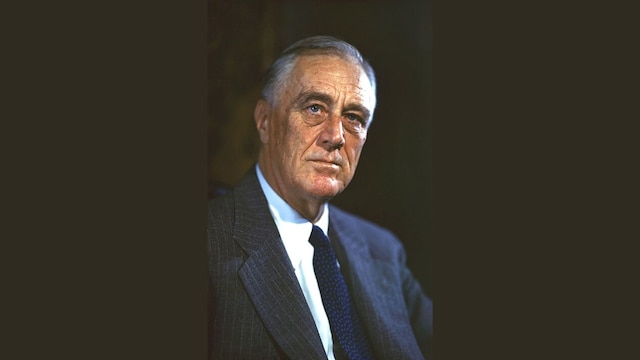
4/11Franklin D. Roosevelt’s words shaped two defining moments in American history. In 1933, amid the Great Depression, his declaration that “the only thing we have to fear is fear itself” paved the way for an activist federal government and the New Deal’s economic reforms. In 1941, after Pearl Harbor, his call of “a date which will live in infamy” rallied the nation into World War 2, propelling it toward global military and economic dominance.
(Photo Credit : Wikimedia Commons)
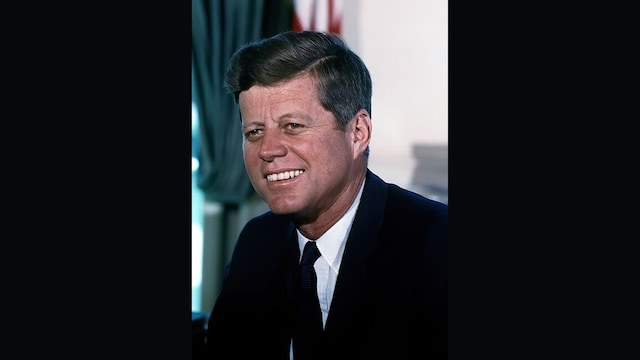
5/11In 1961, during the Cold War, John F Kennedy said: “Ask not what your country can do for you, ask what you can do for your country”. His inaugural address inspired people to view public service as both a duty and a privilege.
(Photo Credit : Wikimedia Commons)
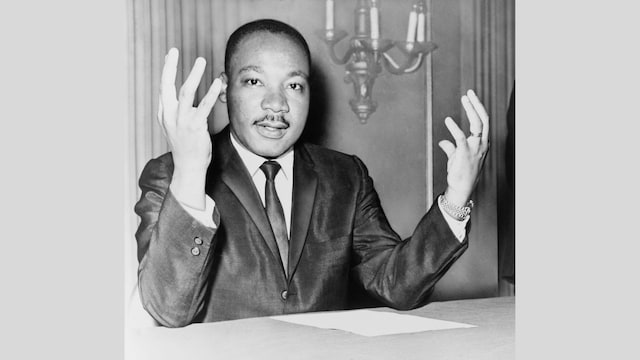
6/11In 1963, during America’s civil rights movement, Martin Luther King Jr made his famous “I have a dream” speech, when more than 250,000 people had gathered at the March on Washington for Jobs and Freedom. His vision of racial equality became the defining speech of the Civil Rights Movement.
(Photo Credit : Wikimedia Commons)
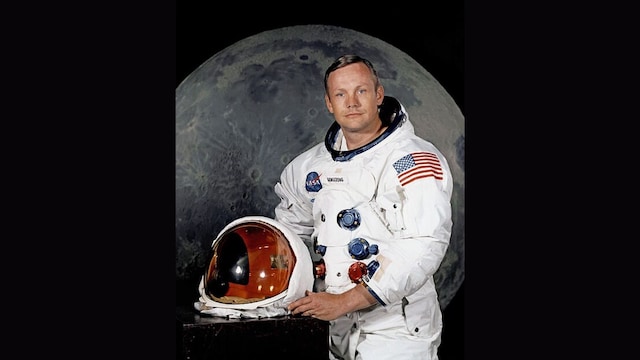
7/11In 1969, Neil Armstrong made the statement “That’s one small step for man, one giant leap for mankind,” as he became the first human to set foot on the moon. This became a defining symbol of scientific ambition, technological leadership and the spirit of exploration.
(Photo Credit : Wikimedia Commons)
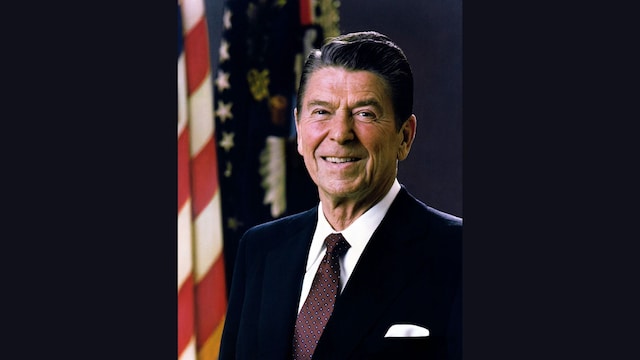
8/11In 1987, standing before the Berlin Wall, American president Ronald Reagan challenged Soviet leader Mikhail Gorbachev to dismantle the Cold War’s most visible symbol. “Mr Gorbachev, tear down this wall!” he said. The speech was one of the most defining moments of the Civil War.
(Photo Credit : Wikimedia Commons)
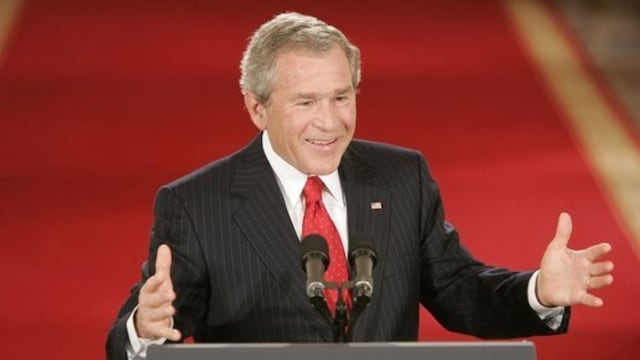
9/11In 2001, three days after the September 11 attacks, American president George W Bush stood atop the rubble of the World Trade Centre with rescue workers and said: “I can hear you!”. This was a symbol of the grief, resilience and determination that had gripped the country in the aftermath of the attack.
(Photo Credit : Wikimedia Commons)
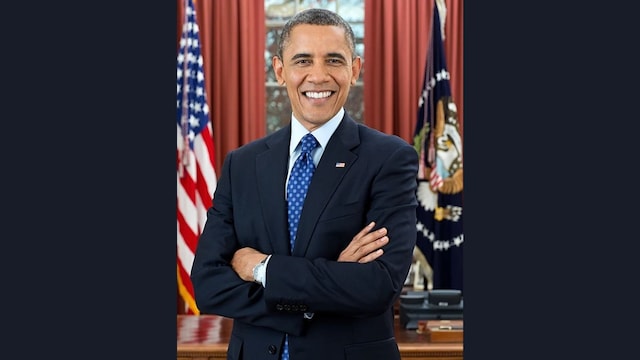
10/11In 2008, Barack Obama became the first Black president of the US. “Yes we can,” he said in a country that was facing economic uncertainty and political fatigue. His slogan became a global symbol of optimism.
(Photo Credit : Wikimedia Commons)
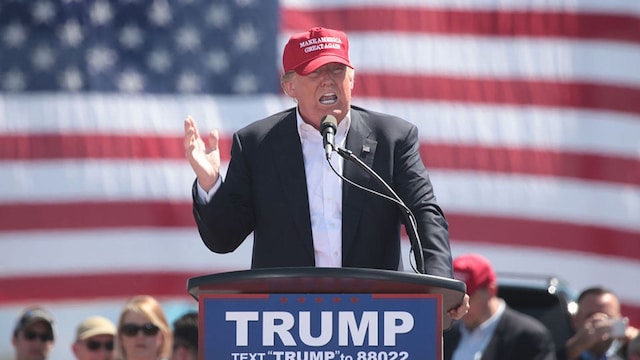
11/11In 2021, following the 2020 US presidential election, Donald Trump addressed his supporters in Washington, DC, shortly before thousands marched toward the US Capitol. The speech became inseparable from the events of January 6, which continues to be regarded as one of the most consequential and contested episodes in modern American history.