Canals have transformed global trade for centuries by connecting seas, rivers and oceans. From the Suez Canal to the Panama Canal, here’s a look at 10…

 1/10
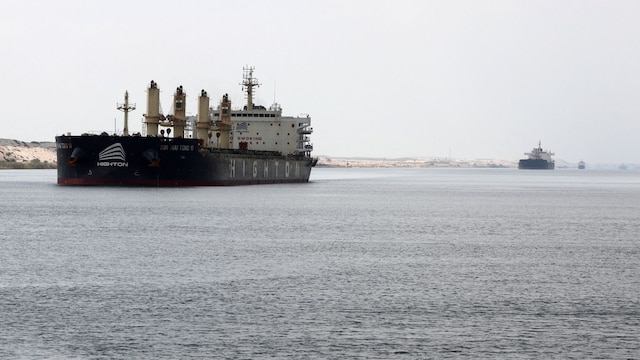
1/101. Suez Canal (Egypt) | Opened: 1869 | Stretching about 193 km, the Suez Canal connects the Mediterranean Sea and the Red Sea, providing the shortest sea route between Europe and Asia. Around 12% of global trade and nearly 30% of global container traffic pass through the canal each year. (Image: Reuters)
 2/10
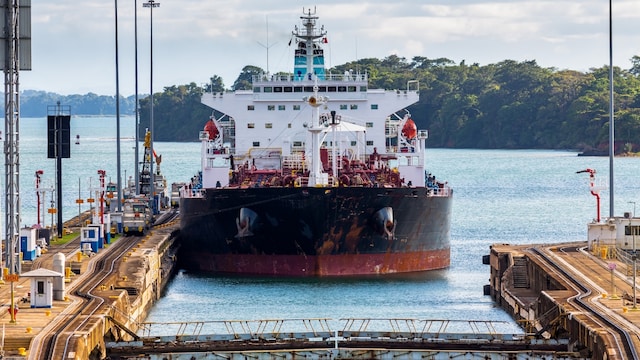
2/102. Panama Canal (Panama) | Opened: 1914 | Spanning 82 km, the Panama Canal connects the Atlantic and Pacific oceans, eliminating the need to sail around South America’s Cape Horn. Nearly 14,000 vessels transit the canal annually, carrying about 2–3% of global maritime trade. (Source: Canva)
 3/10
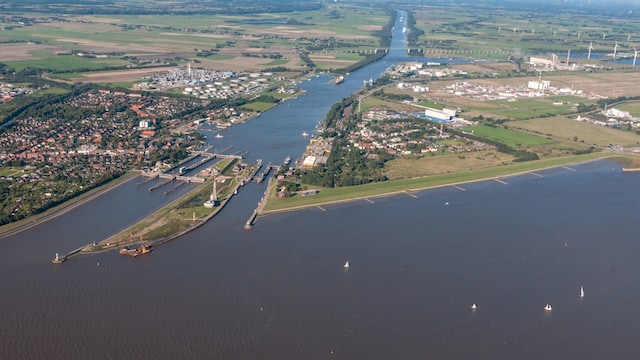
3/103. Kiel Canal (Germany) | Opened: 1895 | Stretching 98 km, the Kiel Canal links the North Sea and the Baltic Sea. It is considered the world’s busiest artificial shipping canal by vessel traffic, allowing ships to bypass the longer route around Denmark’s Jutland Peninsula. (Source: Wikipedia)
 4/10
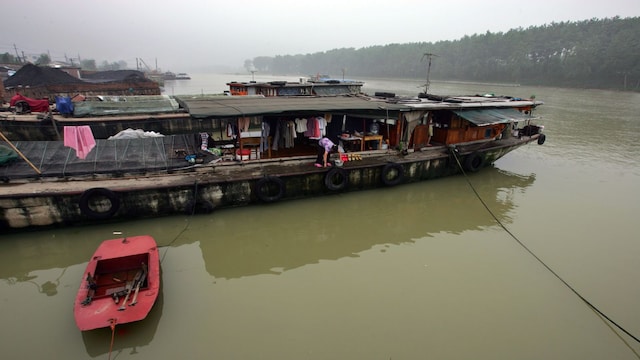
4/104. Grand Canal (China) | Completed: 7th century AD (with sections dating back to the 5th century BC) | Stretching nearly 1,800 km, the Grand Canal is the world’s longest artificial canal. Originally built to transport grain across imperial China, it remains an important inland shipping route and is a UNESCO World Heritage Site. (Image: Reuters)
 5/10
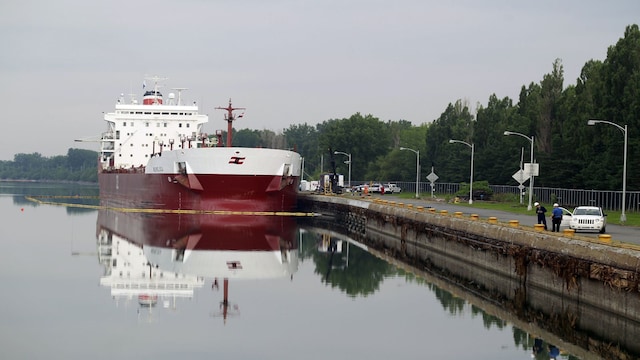
5/105. Saint Lawrence Seaway (Canada-US) | Opened: 1959 | This network of canals and locks connects the Atlantic Ocean with North America’s Great Lakes. It handles more than 35 million tonnes of cargo annually, including grain, iron ore, steel and other bulk commodities. (Image: Reuters)
 6/10
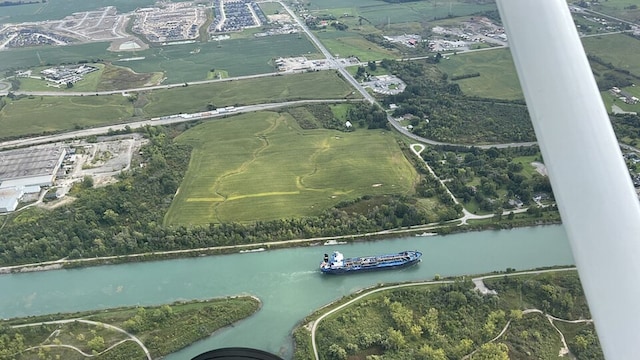
6/106. Welland Canal (Canada) | Opened: 1829 (current alignment completed in 1932) | The 43-km Welland Canal bypasses Niagara Falls through a series of locks, lifting ships nearly 100 metres between Lake Ontario and Lake Erie. It is a vital link in the Saint Lawrence Seaway. (Image: Wikimedia Commons)
 7/10
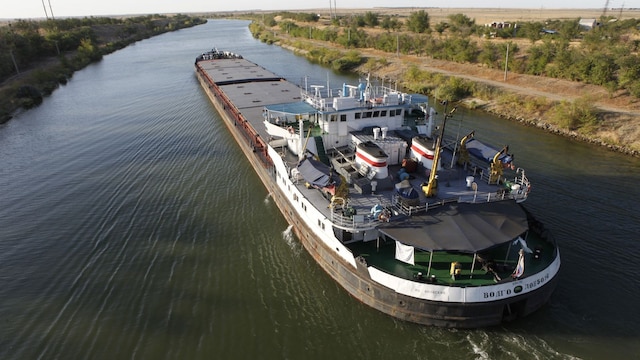
7/107. Volga-Don Canal (Russia) | Opened: 1952 | Stretching 101 km, the Volga–Don Canal links the Volga and Don rivers, creating a navigable route between the Caspian Sea and the Black Sea. It serves as an important inland corridor for grain, oil products and industrial cargo. (Image: Reuters)
 8/10
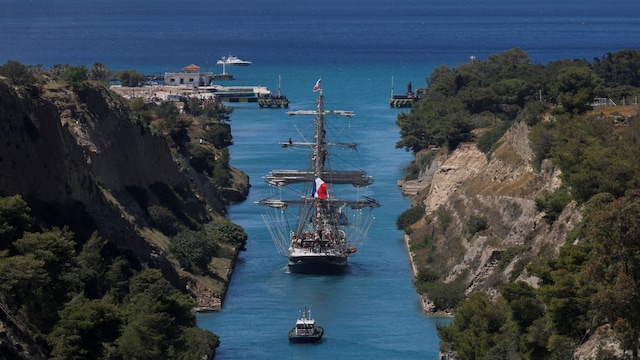
8/108. Corinth Canal (Greece) | Opened: 1893 | Measuring just 6.4 km, the Corinth Canal cuts through a narrow limestone isthmus connecting the Gulf of Corinth and the Saronic Gulf. Although too narrow for many modern cargo ships, it remains a celebrated engineering landmark and a popular tourist attraction. (Image: Reuters)
 9/10
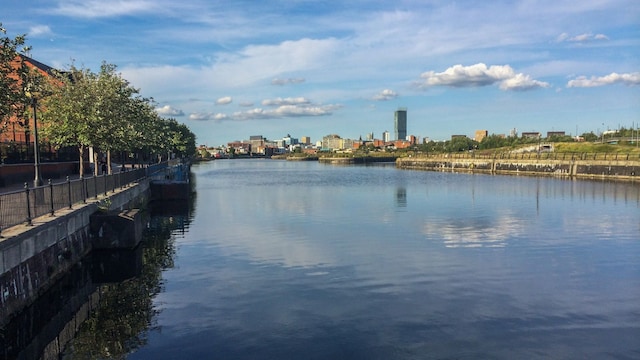
9/109. Manchester Ship Canal (United Kingdom) | Opened: 1894 | Stretching 58 km, the Manchester Ship Canal transformed Manchester into an inland port by allowing oceangoing vessels to reach the city directly from the Irish Sea, fuelling Britain’s industrial growth. (Image: Canva)
 10/10
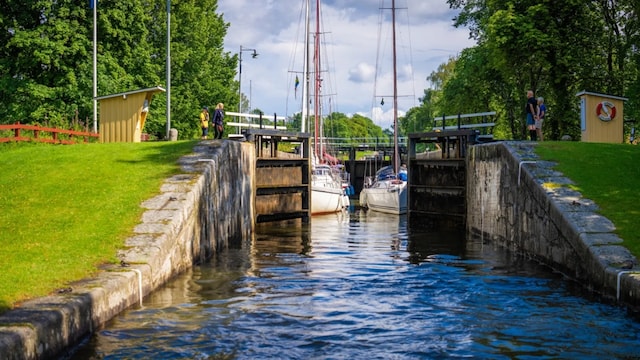
10/1010. Göta Canal (Sweden) | Opened: 1832 | Spanning about 190 km, the Göta Canal links Sweden’s east and west coasts through a network of lakes and locks. Once an important domestic trade route, it is now one of Europe’s best-known heritage waterways and a popular tourist attraction. (Source: Göta Canal Official Website)