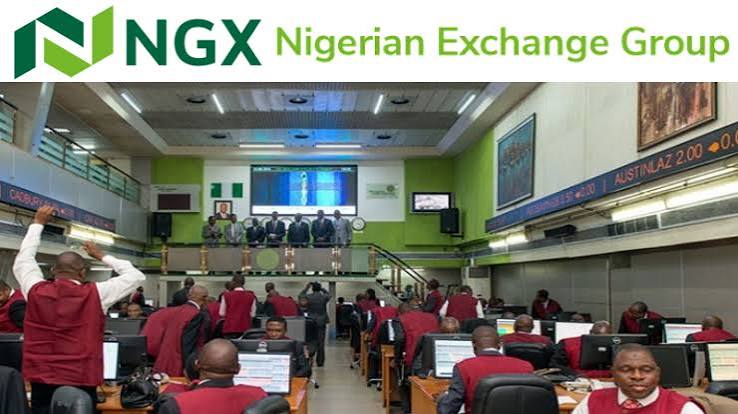
The sharp decline in the Nigerian equities market in June 2026, which saw over N13 trillion erased in value, has once again brought to the fore critical questions about market stability, investor confidence, and the broader policy environment.
While market cycles are not unusual, the scale and speed of the recent downturn suggest more than routine correction. Rather, it reflects a convergence of factors—policy signals, macroeconomic pressures, and shifting investor sentiment—that deserve careful consideration.
At times like this, the focus must move beyond the numbers to the underlying drivers of confidence in the market.
Beyond the Numbers
It is important to recognise that equity markets are, by nature, sensitive to both domestic and global developments. However, when a decline of this magnitude occurs within a short period, it often points to deeper structural concerns.
In recent months, investors have had to navigate a landscape characterised by evolving regulatory frameworks, monetary policy adjustments, and competing investment alternatives. These factors, taken together, have created a degree of uncertainty that inevitably influences market behaviour.
Clarity and consistency in policy direction remain essential in addressing such concerns.
The Role of Policy and Regulation
Regulatory institutions play a central role in maintaining market confidence, particularly during periods of heightened volatility. Clear communication, well-defined transition frameworks, and proactive engagement with market participants can help mitigate uncertainty and prevent undue reactions.
Recent developments within key sectors, particularly banking and financial services, have introduced new compliance requirements and structural adjustments. While such reforms may be necessary for long-term stability, their timing and implementation must be carefully managed to avoid unintended disruptions.
A balanced approach—one that combines reform with predictability is critical.
Competing Investment Pressures
Another important consideration is the growing attractiveness of fixed-income instruments. With yields on government securities rising significantly, investors are presented with alternatives that offer comparatively lower risk and competitive returns.
This dynamic inevitably places additional pressure on equities, which must now compete more directly for capital. In such an environment, maintaining investor interest in the stock market requires not only strong corporate performance but also a supportive macroeconomic framework.
Investor Sentiment and Market Confidence
Investor confidence is a delicate but vital component of any financial market. It is shaped not only by corporate earnings and valuations but also by perceptions of stability, transparency, and policy direction.
Periods of sharp decline can erode this confidence if not addressed with timely and credible communication. Market participants, both domestic and international, look to institutions for signals that the system remains resilient and responsive.
Reassurance, in this context, is not merely symbolic—it is strategic.
The Way Forward
The recent market downturn presents an opportunity for reflection and recalibration.
For policymakers and regulators, it underscores the importance of coherence in economic management and the need for sustained engagement with investors. Ensuring that reforms are accompanied by clear guidance and predictable timelines can help reduce uncertainty and restore confidence.
For investors, it serves as a reminder of the importance of disciplined analysis and a long-term perspective, particularly in volatile periods.
Conclusion
The loss recorded in June is significant, not only in financial terms but also in what it signals about the current investment climate.
However, it also presents an opportunity to strengthen the foundations of the market. With coordinated action, clear communication, and a commitment to stability, it is possible to rebuild confidence and position the Nigerian equities market for more sustainable growth.
Ultimately, markets respond not only to performance but to trust. Preserving that trust must remain a shared priority for all stakeholders.