By Daniel Oluwatobiloba Popoola
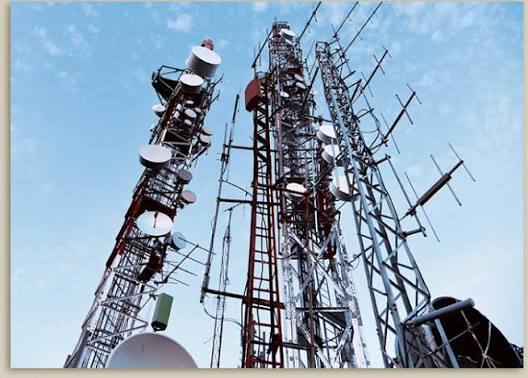
The Nigerian Communications Commission (NCC) and the Rural Electrification Agency (REA) have signed a Memorandum of Understanding (MoU) to power telecommunications infrastructure with renewable energy in a move aimed at reducing operators’ dependence on diesel and expanding network coverage to underserved communities across the country.
The agreement was signed on Friday, 24 July, 2026 at the NCC-REA Stakeholder Forum in Abuja. Under the partnership, telecom base stations will draw electricity from existing and planned renewable energy mini-grids, a development expected to lower operating costs, improve broadband penetration and strengthen connectivity in communities with limited or no access to the national grid.
Speaking at the event, the Executive Vice Chairman of the NCC, Dr Aminu Maida, said reliable electricity and digital connectivity are mutually dependent components of national development.
Represented by the Executive Commissioner, Technical Services, Mr Abraham Oshadami, Maida said communities without electricity struggle to sustain telecommunications infrastructure, while those without digital connectivity are unable to maximise the benefits of available power supply.
He explained that the partnership would integrate energy and telecommunications planning by leveraging shared infrastructure and renewable energy solutions to accelerate digital connectivity across the country.
According to him, many of the communities awaiting broadband access are the same communities lacking stable electricity, making it more efficient, sustainable and cost-effective to address both challenges simultaneously.
Maida disclosed that the MoU would enable both agencies to share geospatial data to identify communities where electrification and connectivity projects overlap.
He explained that REA would provide information on electrified, newly electrified and planned electrification projects, while the NCC would make available data on existing and planned Universal Service Provision Fund deployments to create a unified map of Nigeria’s energy and connectivity gaps.
He added that both agencies would also explore opportunities for telecom infrastructure, including base stations and fibre repeaters, to receive stable and affordable electricity from REA’s off-grid renewable energy projects, while telecom facilities could also be co-located on REA-developed energy infrastructure where practicable.
The NCC boss noted that the collaboration reflected the evolving nature of telecommunications regulation, stressing that meaningful connectivity, particularly in rural and underserved communities, now requires coordinated action across the energy, infrastructure, finance and public policy sectors.
Also speaking, the Executive Director, Technical Services, REA, Mr Umar Abdullahi, identified rising diesel costs as one of the biggest obstacles limiting telecommunications expansion across Nigeria.
He noted that the country’s digital economy depends fundamentally on reliable electricity, explaining that operators in areas without access to the national grid rely heavily on diesel-powered generators to sustain their operations.
According to him, the high cost of diesel has significantly constrained network expansion into nearly 40 per cent of Nigeria’s landmass because such investments are often no longer commercially viable.
Abdullahi described renewable energy mini-grids as a cleaner, cheaper and more sustainable alternative, noting that telecommunications towers provide the type of steady electricity demand required to support commercially successful mini-grid operations.
He disclosed that technical teams from both agencies had already completed a proximity analysis by integrating the NCC’s database of telecom base stations with REA’s mini-grid site database to identify locations where renewable energy assets could immediately support telecommunications infrastructure.
The exercise, he said, had produced a list of priority locations where telecom towers currently powered by diesel generators could be migrated to renewable energy through tower-as-anchor-load arrangements.
Speaking with journalists shortly after the signing ceremony, Abdullahi described the MoU as a major institutional breakthrough, noting that both agencies had previously operates independently despite pursuing related objectives.
He said the agreement would ensure better coordination of projects and maximise available resources while accelerating access to affordable and cleaner energy for telecommunications infrastructure.
According to him, priority sites have already been identified, and migration of diesel-powered telecom towers to renewable mini-grids would reduce operational costs while extending network coverage to more Nigerians.