.DAPPMAN alleges import permit curb fuelling high petrol cost in Nigeria
.Says presidency allegedly directs NMDPRA to limit fuel import permits to six firms
.Ex-MEMAN chair urges transport subsidy for Nigerians
Peter Uzoho
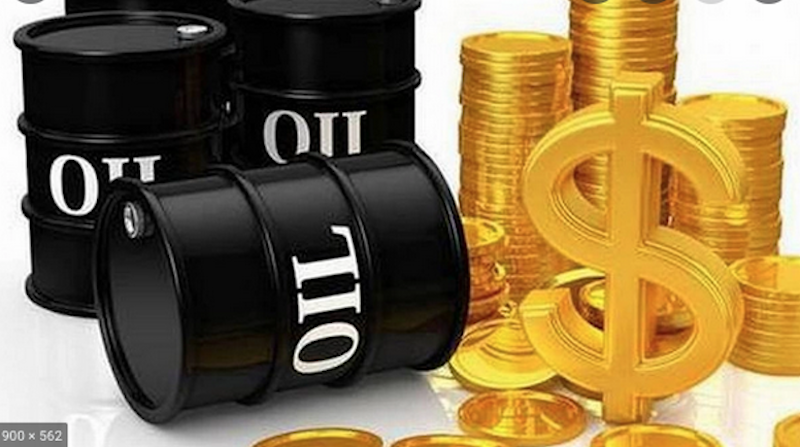
Global crude oil prices retreated yesterday after a sharp rally pushed Brent above $100 per barrel on Thursday, offering brief relief to a market still rattled by Middle East supply risks and domestic pump price pressures in Nigeria.
Brent crude declined by three per cent to $96 per barrel, while West Texas Intermediate (WTI) fell 2.58 per cent to $89.81 per barrel, data showed.
The pullback came a day after Brent and WTI surged to $100.67 and $92.19 per barrel, respectively, following attacks by Houthi militants on Saudi-linked oil tankers that heightened concerns over the security of global energy supply routes.
Some respite however emerged after the Organisation of the Petroleum Exporting Countries (OPEC) pledged to increase supply.
Reuters reported that Saudi Arabia, Russia, Iraq, Kuwait, Algeria, Kazakhstan and Oman were expected to raise their combined September production target by 188,000 barrels per day.
In Nigeria, the volatility has kept petrol prices elevated.
Dangote Refinery’s gantry price for Premium Motor Spirit (PMS) now stands at N1,215 per litre, while Nigerians buy the product at between N1,200 and N1,300 per litre in Lagos and other major cities, according to market checks.
Depot owners and marketers raised prices last week after crude’s initial jump.
Speaking to THISDAY on the impact of the $100 crude spike recorded on Thursday, a former Chairman of the Major Energies Marketers Association of Nigeria (MEMAN), Mr. Tunji Oyebanji, said Nigerians were now exposed to global pricing after years of subsidy cover.
Oyebanji said, “First and foremost, we have been shielded for so many years from the oil prices. It’s not that oil prices were not going up and down, they were going up and down forever. However, because we were subsidising the price, the government was absorbing this thing.”
He explained that the burden would have been unmanageable if subsidies remained. “You can imagine today, if we had still been selling at N300 and the actual price is closer to N1,200 or N1,000, imagine the burden government would have. It means all our money in the country would have been going to that purpose alone,” he said. “That is the thing with deregulation and removal of subsidy. It means we have to be faced with what the actual cost of the product is.”
Oyebanji noted that the price pressure was global, not unique to Nigeria, adding that price movement was a global phenomenon.
He added that petrol prices had actually started trending down before the latest tensions.
“Fuel price had actually started coming down before this fresh rise in oil price. If you notice, petrol prices started coming down at about N1,250 per litre before the fresh tensions in the Middle East. Petrol price had actually come down to about N1,100. Some people were even selling N1,080. So, they were on a downward trajectory,” he said.
On government response, Oyebanji urged targeted relief for Nigerians such as transport, health or education subsidy, alluding to the promise by the new UK Prime Minister to cap bus fares at two pounds.
He warned that pump prices could climb further if crude stayed high. “Well, there’s no doubt. If the price from Dangote refinery is almost N1,200, so you can imagine that on the streets, it may be hitting N1,300, if not higher than that,” Oyebanji said. “The only thing is that if importation continues to be allowed and cheaper product comes from importation, then that competition is going to force down the price of the refinery.”
Meanwhile, a member of the Depot and Petroleum Products Marketers Association of Nigeria (DAPPMAN), who spoke on condition of anonymity, alleged that restricted access to import permits was keeping prices elevated.
“Whatever price Dangote sells to us, we buy so that we can get the fuel across to people like you and my family,” the DAPPMAN source told THISDAY.
“Some people said we are cabals, we are this, we are that. And they are giving import permits to just a few. They gave them Q1, they gave them Q2, Q3. So, every other person that does not have the permit can buy from Dangote.”
THISDAY’s checks showed that the six firms only issued import permits for the first three quarters in 2026 are NIPCO, AA Rano, Matrix, Shafa, Pinnacle, and Bono.
He claimed the Nigerian Midstream and Downstream Petroleum Regulatory Authority (NMDPRA) was limiting approvals in the direction of the Presidency.
“NMDPRA is giving import permits to the same set of people. They got the same import permit in first quarter, second quarter, third quarter. It’s the same set of marketers that they give. They didn’t give any other person. And when we asked, they said the presidency said they should give them. We are protesting it but they never listened to us,” he said.
NMDPRA did respond to the assertion by the DAPPMAN member as the agency’s Spokesman, George Ene-Ita did not reply to a message sent to him as of the time of filing in this report.
The DAPPMAN member agreed that the policy could be part of why petrol had not fallen significantly when crude was declining. “But it also depends on if those who are importing are able to get cheaper products than what Dangote was selling. Because Dangote’s reason for moving the prices up is because crude oil prices went up,” he said.
“At that time too, those who are importing would be buying very expensive cargo. But for somebody who has either hedged, that is, he has already hedged his product before then, and, or is able to somehow get a cheap cargo, he will be able to bring in something lower than what Dangote is doing. But it’s not something that is easy to come by for that particular period when all products are high,” he added.
He argued that more competition was needed. “And it is only refineries that can actually hedge product, because right now we are no longer import dependent. So I think the government should give import permits to more people to bring in products and sell at competitive prices,” the marketer said.