‘Violence always follows their exit from any community,’ Residents warn
By Ekani Olikita
(Makurdi) Spiking departures of Muslim Fulani pastoralists and their cattle from Nigeria’s Middle Belt have heightened fears of renewed deadly attacks on Christian farming communities.
Residents say similar migrations have preceded previous waves of violence, fueling anxiety that another round of deadly attacks could soon devastate communities across the region.
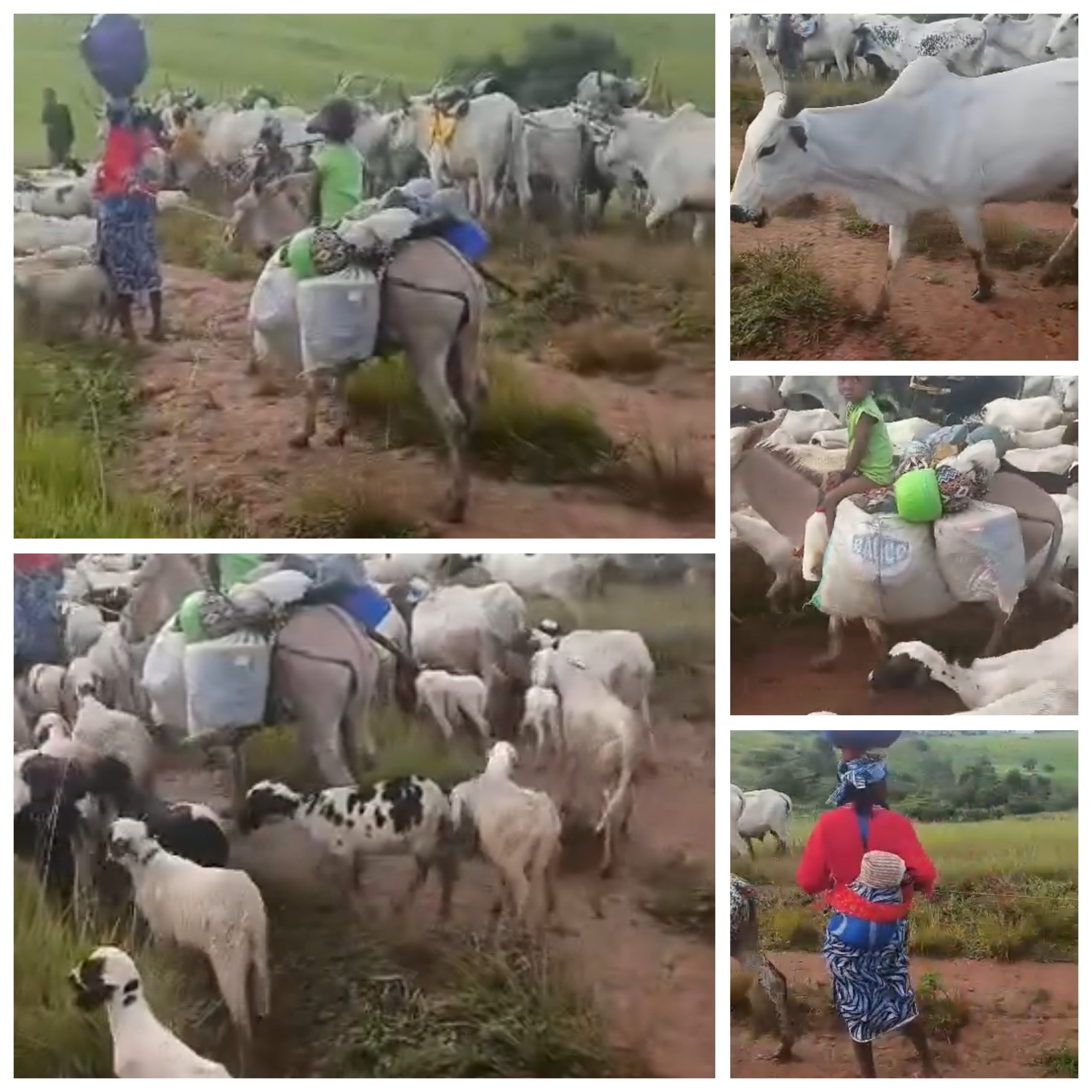
Hundreds of Fulani Herdsmen chasing thousands of their cattle and sheep were seen on Thursday, July 9, 2026, moving from Nigeria through the Mambilla Plateau in Sardauna County (Local Government Area) of Taraba State, heading to the neighboring Republic of Cameroon and the Central African Republic
According to the Observatory for Religious Freedom in Africa, the armed wing of the Fulani Ethnic group (Fulani Ethnic militia (FEM)) have been linked to nearly 24,000 civilian deaths during a four-year reporting period, making the conflict among the deadliest sources of violence in contemporary Nigeria.
On a similar note, the United States Commission on International Religious Freedom (USCIRF) reported in May that armed Fulani militia violence remains one of the most significant drivers of religious freedom violations in Nigeria, contributing to civilian deaths, displacement, and growing instability.
Tension in Middle Belt
The Middle Belt states of Benue, Plateau, Nasarawa, Kogi, Kwara, Niger, Southern Kaduna, Taraba State, have endured years of deadly violence by armed Muslim Fulani Ethnic Militia against predominantly Christian farming communities since 2013. Thousands of people have been killed, while hundreds of thousands have been displaced, according to humanitarian organizations.
Residents in Benue, Plateau and Kaduna states told TruthNigeria they have witnessed unusually large numbers of herders relocating with their cattle in recent days, reviving memories of previous periods when similar movements were followed by violent assaults on rural settlements.
Many communities say the pattern has become difficult to ignore after years of recurring violence blamed on armed Fulani Ethnic Militia.
“We become afraid whenever we see them leaving in large numbers,”John Anthony Ikwulono, Former Deputy Chairman of Agatu County, Benue State and a Security Analyst, told TruthNigeria.
“In the past, they moved out quietly and within days heavily armed men invaded villages. Whether it is coincidence or not, people here no longer dismiss it,” he added.
“The uncertainty itself has become a source of fear, locals have said.
“People are sleeping with one eye open. We are not accusing anyone simply because they are moving. We are only asking security agencies to pay attention before innocent lives are lost,” Mrs Ruth Aondohemba, a rice farmer from Guma County, Benue State, told TruthNigeria.
In Plateau State, community leader John Davou expressed similar concerns.
“Our villages have suffered repeatedly. Whenever there is unusual movement of cattle and herders, everyone becomes nervous because history has taught us to be vigilant”, Solomon Dung, a Plateau Farmer told TruthNigeria.
A resident of southern Kaduna, Mary Luka told TruthNigeria families have begun discussing security measures following reports of pastoralists relocating.
“We pray nothing happens, but people cannot ignore what they have experienced over the years. Parents are already warning their children to avoid isolated farms,” Luka said.
Security analyst Dr. Damian Attah urged authorities not to dismiss the growing anxiety among rural residents, emphasizing that vigilance is preferable to complacency.
“Security agencies should immediately increase surveillance across vulnerable communities,”
He specifically urged heightened security in Benue, Plateau, Kogi, Taraba, Nasarawa, Kaduna, Kwara and Niger states.
“These states have experienced repeated farmer-herder conflicts and attacks by armed groups over the years. Visible security patrols, intelligence sharing and rapid-response capabilities could deter violence if criminal elements are planning attacks,” Attah said.
Local leaders are calling on Federal and State authorities to deploy additional security personnel, improve intelligence gathering and strengthen early-warning systems in vulnerable rural communities.
Analysts say visible preventive measures—including aerial surveillance, rapid-response patrols and closer collaboration with community leaders—could help reassure residents and discourage potential attackers.
Why It Matters to the United States
The Middle Belt remains one of Africa’s most volatile conflict zones, where insecurity has displaced farming communities, disrupted food production and fueled humanitarian crises. Continued instability in Nigeria—the continent’s most populous country and one of the United States’ key strategic partners in Africa—could worsen regional displacement, increase food insecurity and create conditions that violent extremist and criminal organizations may exploit.
Security experts say early preventive action by Nigerian authorities is more effective than responding after attacks occur.
Ekani Olikita is a conflict reporter for TruthNigeria