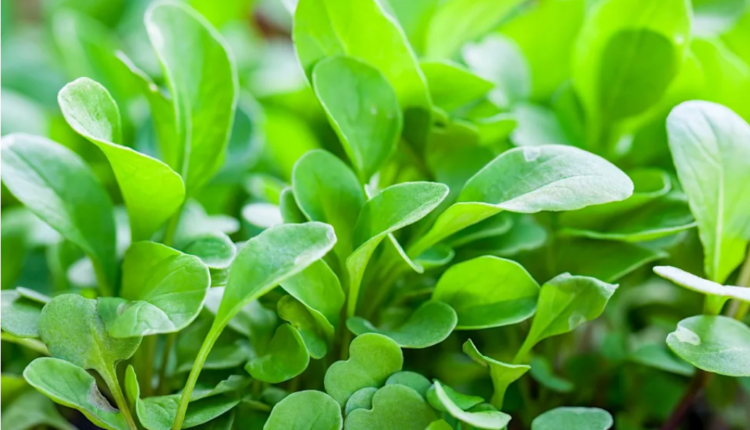
There’s nary a leafy green that doesn’t do your body good, but it turns out that one is far mightier than all others. This one can be common to miss in the produce section, or easy to mistake for arugula or sprouts.
But just one taste will set you straight: The bite in this green makes it something unique, and new research suggests that flavorful punch packs the pinnacle of nutrition.
In 2014, the Centers for Disease Control and Prevention launched an initiative to pinpoint powerhouse foods that science has linked with a lower risk of chronic diseases. The CDC’s research centered on determining which foods offered the most health benefits relative to their calorie content. They focused on 17 vital nutrients, including vitamins C, D, E, and K, and essential minerals such as calcium and potassium.
Among the foods that were evaluated, watercress—a member of the cruciferous family—topped the charts. Watercress is rich in essential vitamins, minerals, and potent antioxidants and offers more nutrition-per-calorie than most foods. This means you receive more significant health benefits for each bite of watercress you take.
The two other fiercest contenders were Chinese cabbage and kale.
More watercress health benefits to consider
Cleveland Clinic nutrition expert Julia Zumpano, RD, LD, says: “Study after study is documenting watercress’ amazing benefits. Researchers are studying its potential in reducing smoking carcinogens, turning off breast cancer signals, and alleviating physical stress from workouts.”
Recent research, such as a 2021 biochemistry study, has suggested watercress may boost bone health, minimize DNA damage, and provide anticancer advantages. This petite green is loaded with antioxidants—meaning watercress also helps combat oxidative stress, which plays a role in aging and various chronic illnesses.
Eating This Berry Can Improve Your Heart & Brain Health in 8 Weeks, New Study Says
How to add watercress to your diet
If you’re wondering how much watercress to include in your diet, another Cleveland Clinic dietitian, Amber Sommer, RD, LD, suggests that unless you have particular health concerns (such as being on blood-thinning medications like warfarin), you should aim for roughly 2.5 cups of vegetables daily. This includes cruciferous vegetables, like watercress, broccoli, cabbage, and cauliflower.