• Supreme leader, Ayatollah Khamenei, laid to rest
• Oil price eases over 2% despite escalation of conflict
Emmanuel Addeh in Abuja
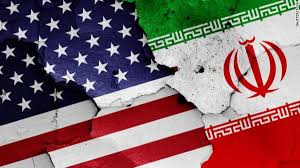
The fragile ceasefire between the United States and Iran further unravelled yesterday as fresh missile and drone strikes were exchanged between both nations, raising fears of a renewed regional conflict, and its impact on the global oil market.
Besides, Iran yesterday buried its Supreme Leader, Ayatollah Ali Khamenei, in a funeral attended by thousands of mourners. The latest hostilities marked a sharp setback for diplomatic efforts to end the war, with both sides accusing each other of violating the truce shortly after it came into effect.
The American military said it hit around 90 targets in airstrikes across Iran after President Donald Trump said he considered the tenuous ceasefire between the two countries over following Iranian attacks on shipping in the Strait of Hormuz.
Tehran retaliated with attacks on U.S. allies across the Middle East, a wave of strikes that sparked alerts in Qatar, Bahrain, Kuwait and hours later in Jordan, as the two sides accused each other of violating the terms of their interim deal.
The two days of renewed fighting cast doubt on whether Washington and Tehran remained committed to reaching a final deal to end the war, which was launched by the U.S. and Israel in February.
The U.S. military said that it struck “approximately 90 Iranian military targets including air defense systems, coastal surveillance assets, missile and drone storage sites, naval capabilities, and military logistics infrastructure along Iran’s coastline.”
Also, a U.S. official on Thursday denied targeting the Bushehr nuclear power plant, after a local official said an airstrike hit the perimeter of the plant, according to the state-run IRNA news agency. At least 14 people were killed and another 78 wounded in the two days of U.S. attacks, the Iranian Health Ministry said in its first overall count of casualties.
This time, Iran’s retaliation also targeted Qatar and Jordan, the latter of which said it shot down eight Iranian missiles. The IRGC said it fired 10 ballistic missiles, targeting a U.S. command and control centre, as well as an air base in Jordan.
The exchanges left the peace process in limbo. Trump and Tehran signed a memorandum of understanding in mid-June, which kicked off a 60-day negotiating period toward a final deal to end the conflict.
Those talks have been paused this week as Iran holds massive funeral events for Khamenei, who was killed in U.S.-Israeli strikes at the start of the war. The funeral culminated Thursday with a burial ceremony in Mashhad, his hometown and the site of the most prominent Shia shrine in Iran.
Trump, who wrapped up a NATO summit in Turkey on Wednesday, had signaled intense strikes were coming. “This is in retribution for yesterday’s bombing of ships by Iran. If it happens again, it will get much worse!” he warned.
The president dismissed the ongoing peace efforts and labeled Iranian leaders “scum,” but said he would allow negotiations to continue and did not think this new fighting would result in “long-term” military action.
Meanwhile, oil prices eased Thursday as financial markets calmed in the wait to see what will come next after Trump raised doubts about the temporary truce in the war with Iran.
In the oil market, prices gave back much of their jumps from the day before. The price for a barrel of Brent crude, the international standard, fell 2.2 per cent to $76.30. That’s down from $78.02 the day before though still above its $71.80 price from the end of last week.
A return to full-blown war will block oil tankers from the Strait of Hormuz and prevent the delivery of crude from the Persian Gulf to customers worldwide. That could worsen inflation, which economists expected would ease with oil prices.
But Trump also said that the latest back-and-forth fighting would not result in “long-term” military action, raising uncertainty about just what will happen.