Toyyibat Qasim
Ogun State Governor, Dapo Abiodun, has said his administration will prioritise projects capable of driving socio-economic growth, while avoiding unfunded commitments and ensuring that ongoing projects receive realistic funding and completion plans in the 2027 budget.
Abiodun also pledged to keep recurrent expenditure and debt obligations manageable as his administration prepares its final budget, which he described as a transition budget designed to consolidate existing achievements and leave the state in a sound financial position for the incoming government.
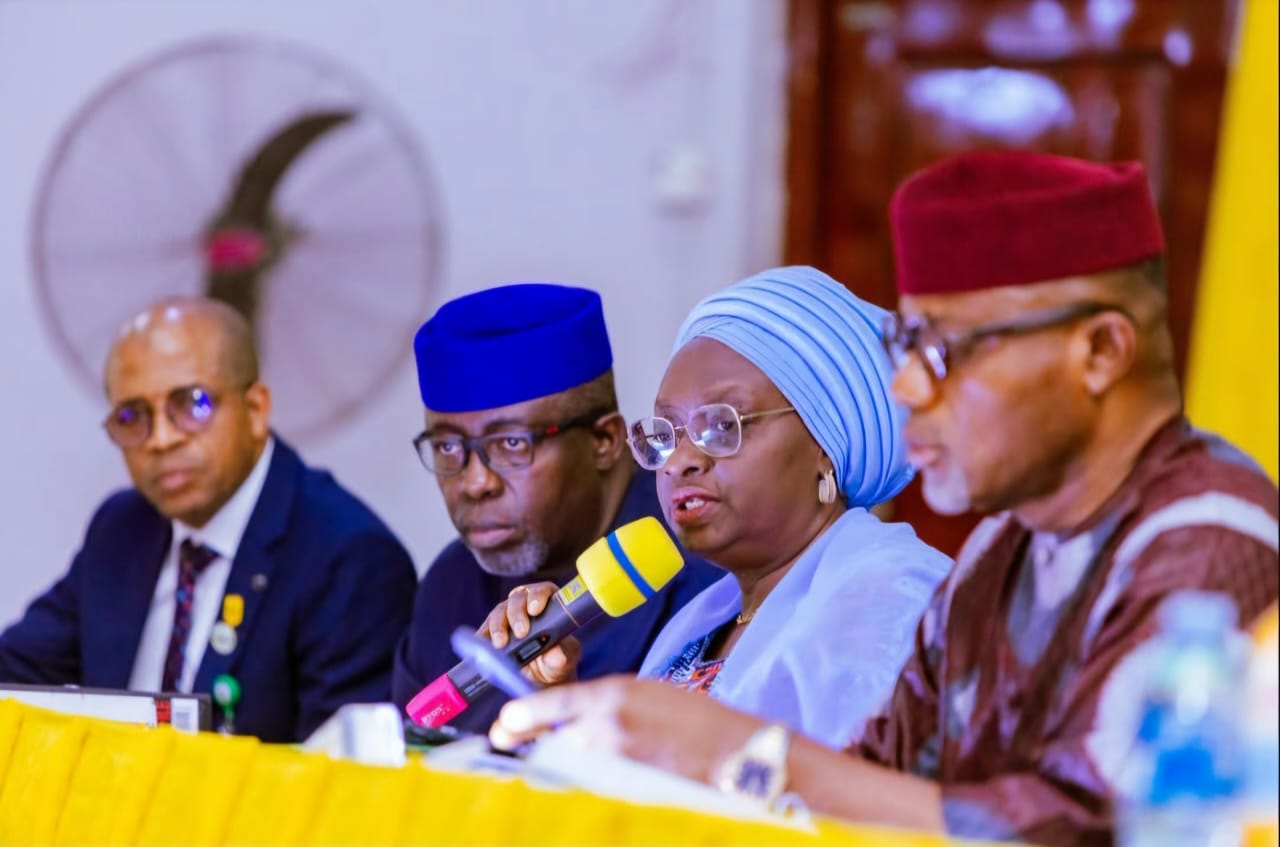
The governor spoke on Wednesday at the Treasury Board Meeting on the 2027–2029 Medium-Term Expenditure Framework and the 2027 budget, held at the Oba’s Complex, Oke-Mosan, Abeokuta.
He was represented by his deputy, Noimot Salako-Oyedele.
Abiodun said the budget preparation process would be guided by institutional reforms, fiscal transparency, participatory governance and evidence-based planning, noting that the views of residents and stakeholders gathered during recent town hall consultations across the state’s four divisions would inform the government’s spending priorities.
He said, “As this is the final budget cycle of our administration, the 2027 budget is the transition budget. We must consolidate our gains, advance priority projects, maintain sound financial management and leave the state in good order for the incoming administration.”
The governor stressed the need to align the state’s development ambitions with available resources, insisting that the government must account for existing financial obligations and avoid taking on commitments it might be unable to fund.
According to him, the objective is to leave behind stronger public institutions, improved financial management systems and sustainable reforms capable of delivering tangible benefits to residents.
On revenue generation, Abiodun disclosed that Ogun State’s internally generated revenue had increased from N52bn in 2020 to N238.5bn in 2025, with N259.52bn recorded as of October 2026.
He attributed the growth to the state’s medium-term revenue strategy, which he said had provided more reliable data and strengthened the government’s capacity to mobilise revenue.
The governor said his administration would continue to reduce dependence on federal allocations through improved IGR, while ensuring that public funds were deployed efficiently.
He added that prudent financial management had become particularly important in cushioning the effects of inflation and prevailing macroeconomic challenges without compromising essential public services and productive investments.
On infrastructure, Abiodun said investments in strategic projects had strengthened Ogun’s competitiveness and opened up new opportunities for economic growth.
He listed the Gateway International Airport, Iperu; Kajola and Ijebu-Ode Inland Dry Ports; the proposed $7bn Ogun Blue Marine Special Processing Zone; the proposed Deep Sea Port in Ogun Waterside Local Government Area; and the proposed $10bn Olokola Liquefied Natural Gas project among the major developments expected to expand the state’s economic base.
According to him, the projects, when fully realised, would improve connectivity, reduce logistics costs, increase energy availability, attract local and foreign investments, expand the tax base and boost internally generated revenue.
The governor also highlighted four major Federal Government road projects expected to improve transportation and commercial activities across Ogun State.
They include the 700-kilometre Lagos-Calabar Coastal Highway, with a 28-kilometre stretch in Ogun; the 1,068-kilometre Sokoto-Badagry Superhighway, which has a 162-kilometre section passing through the state; the reconstruction and dualisation of the Ibadan-Ijebu-Ode Road; and the Sagamu-Ijebu-Ode-Benin Expressway.
Abiodun said the projects would strengthen inland and coastal connections, reduce travel time and transportation costs, and create opportunities for trade, investment and industrial development.
On youth empowerment, the governor said his administration was investing in information and communication technology and digital training to equip young people with practical skills for employment, entrepreneurship and self-reliance.