The Independent National Electoral Commission (INEC) has announced plans to deploy more than 1.41 million ad hoc personnel and 57,000 newly procured Bimodal Voter Accreditation System (BVAS) devices for the 2027 general elections.
The commission said the massive deployment was part of measures to strengthen electoral transparency, improve accreditation processes and ensure efficient conduct of the forthcoming elections.
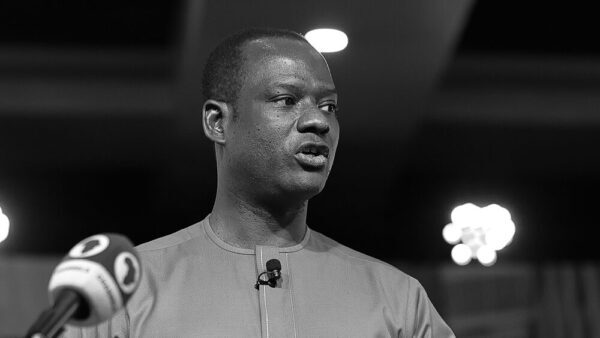
INEC Chairman, Prof. Joash Amupitan, disclosed this on Wednesday in Abuja during a strategic consultative meeting with Resident Electoral Commissioners (RECs) from the 36 states and the Federal Capital Territory (FCT).
Amupitan said the 2027 elections would present significant operational challenges, considering the projected number of more than 100 million verified voters and the need to coordinate electoral activities across urban centres, remote riverine communities, insurgency-affected areas and locations hosting internally displaced persons.
He stressed that the commission had no room for operational errors, urging RECs to demonstrate professionalism, vigilance, neutrality and strict administrative discipline in their respective states.
As part of preparations, the INEC chairman announced that the commission would conduct a nationwide mock accreditation and result transmission exercise on Saturday, November 28, across the 36 states and the FCT.
The exercise, which will take place in two polling units per ward nationwide, is designed to assess the performance of BVAS devices, test logistics arrangements and evaluate the upgraded result management system, including automated validation safeguards on the INEC Result Viewing Portal (IReV).
He directed RECs to personally supervise the exercise and submit comprehensive technical reports to the commission’s headquarters by Monday, November 30, highlighting challenges such as network failures, device malfunctions and procedural bottlenecks.
To address congestion and delays during voter accreditation, Amupitan disclosed that INEC had reduced the BVAS deployment threshold from 1,250 to 850 registered voters per device.
He explained that polling units with voter registrations exceeding the new threshold would receive multiple BVAS devices to ensure faster accreditation and minimise delays.
The chairman also disclosed that the commission had constructed climate-controlled storage facilities across states to protect the newly acquired electronic devices, particularly their batteries and sensitive components, from extreme temperatures.
On election logistics, he directed RECs to review transportation arrangements involving the National Union of Road Transport Workers (NURTW), marine operators and aviation partners, while ensuring that Registration Area Centres (RACs) were adequately prepared and secured.
He further called for proper tracking of sensitive and non-sensitive election materials throughout their distribution, deployment and return to collation centres.
Addressing election security, Amupitan urged stronger collaboration with the Nigeria Police Force, Nigeria Security and Civil Defence Corps and other security agencies to prevent electoral violence.
He disclosed that INEC was activating decentralised structures of the Inter-Agency Consultative Committee on Election Security (ICCES) at local government and ward levels to strengthen intelligence gathering and identify potential security flashpoints.
The INEC chairman also warned against disinformation, synthetic media and coordinated false narratives capable of undermining public confidence in the electoral process.
He insisted that the commission would not protect any official found engaging in partisan activities, compromising neutrality or facilitating electoral malpractice.
Meanwhile, Amupitan disclosed that he had continued to receive threats to his life over his position as the country’s chief electoral officer, describing service at the commission as a thankless responsibility characterised by intense public scrutiny and abuse.
He urged electoral officials not to allow intimidation or distractions to derail their constitutional responsibilities, warning that attacks on INEC amounted to attacks on Nigeria’s democracy.
The 2027 presidential and National Assembly elections are scheduled for January 16, while governorship and state Houses of Assembly elections will hold on February 6, 2027.
Amupitan maintained that Nigerians expected credible, transparent and impartial elections, urging all RECs to take personal responsibility for ensuring that preparations translated into effective performance on election day.