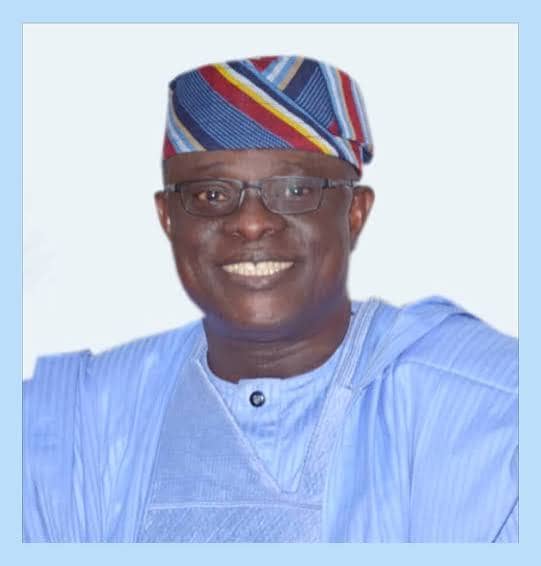
Ayomide Awe
The Resident Electoral Commissioner (REC) of the Independent National Electoral Commission (INEC) in Ondo State, Dr Mutiu Agboke, has urged Muslims to reject vote-buying, political violence and religious or ethnic sentiments ahead of the 2027 general elections, stressing the need to elect leaders based on competence, integrity and proven records of public service.
Agboke warned that treating elections as opportunities for financial gains or allowing religious and ethnic considerations to determine voting decisions could undermine democratic development and produce leaders who lack the capacity to govern effectively.
The REC spoke while delivering a lecture titled, “2027 General Election: The Role of Muslims in Democratic Participation,” at the weekly Adhkar organised by the Da’wah Front of Nigeria, Abeokuta Chapter, at the DF Da’wah Centre, Sokoto Town, Abeokuta, Ogun State.
He described democratic participation as both a civic obligation and a moral responsibility, urging Muslims not to withdraw from the electoral process because of political disappointment or apathy.
According to him, staying away from elections creates opportunities for unscrupulous politicians to manipulate the process through vote-buying, misinformation and other electoral malpractices.
The electoral commissioner maintained that political offices should be regarded as positions of public service rather than avenues for personal enrichment, oppression or the advancement of narrow interests.
He urged voters to scrutinise candidates based on their character, competence, integrity, track records and commitment to the rule of law, rather than supporting them solely because they share the same religious or ethnic background.
Agboke also condemned vote-buying and selling, political thuggery and electoral violence, reminding the electorate that their votes represented a public trust that should not be exchanged for money or other material benefits.
He further called for greater participation of Muslim women and youths in the electoral process, urging them to move beyond being used as campaign tools by politicians and take active roles in voter education, community mobilisation and other legitimate democratic activities.
On the spread of misinformation during electioneering, the REC cautioned Muslims against circulating unverified reports, particularly on social media, advising them to confirm electoral information through the official communication channels of INEC before sharing.
He also charged Islamic scholars, Imams and other religious leaders to use their platforms to promote peaceful coexistence, moral uprightness and responsible citizenship, rather than turning places of worship into centres of partisan political mobilisation.
The lecture ended with a call on religious and political stakeholders to promote interfaith tolerance, peaceful coexistence and collective responsibility towards ensuring credible, transparent and inclusive elections in 2027.
FOLLOW US
FOR MORE HERE