Unchained Vibes Africa (UVA), a social enterprise committed to developing arts and culture projects geared towards social causes, has warned that undisclosed political payments to entertainers, intimidation of satirists and the spread of disinformation could undermine democratic participation ahead of Nigeria’s 2027 general elections.
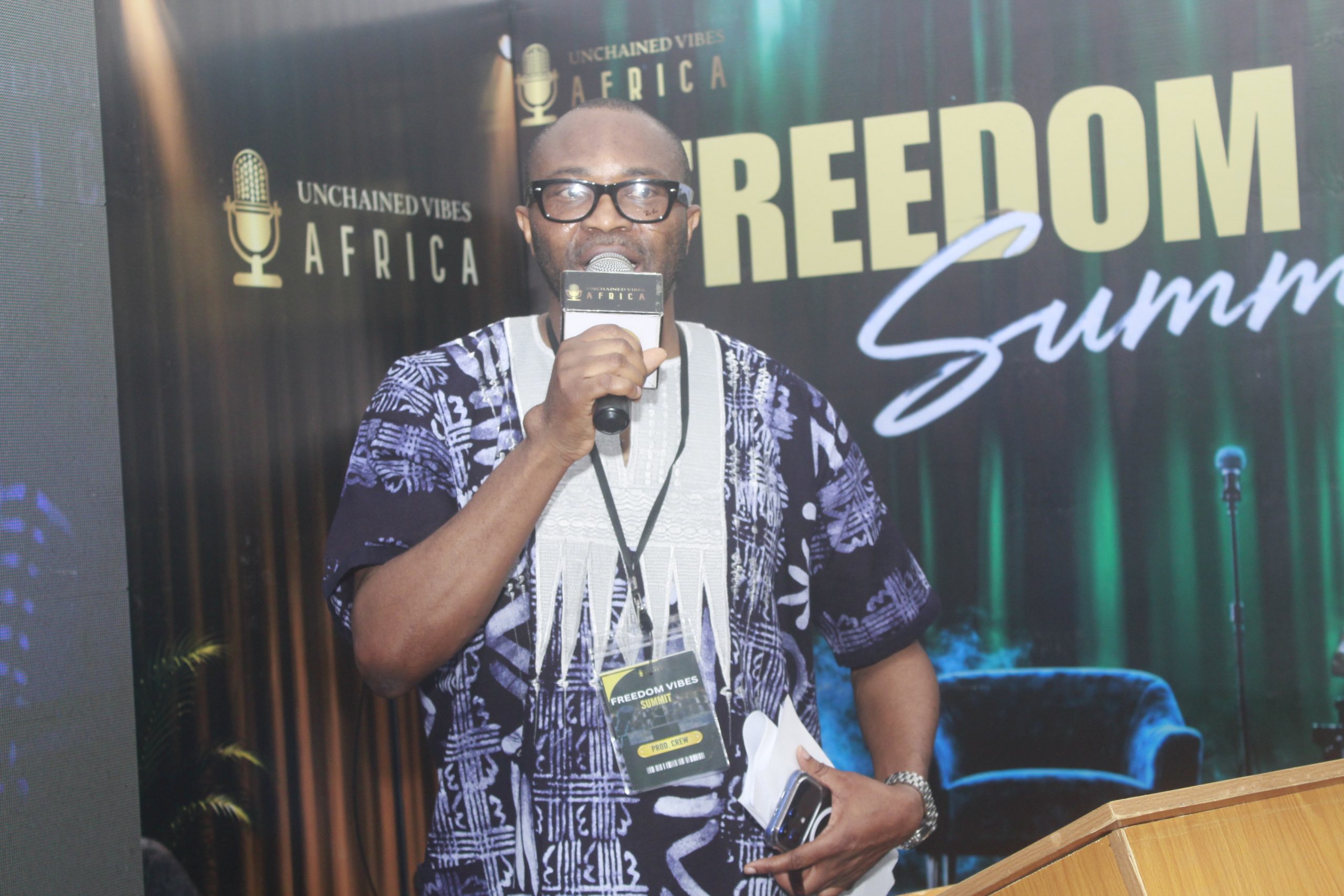
The organisation raised the concerns at the fourth edition of its Freedom Vibes Summit, held on Saturday at Kongi’s Harvest Gallery, Freedom Park, Lagos Island.
Themed: “The Vibes and the Ballot: Art, Power and the 2027 Choice”, the summit brought together artists, journalists, civil society organisations and other stakeholders to examine the role of creative expression in protecting democratic values.
In his thematic presentation, Ayodele Ganiu, Founder and Executive Producer of UVA, identified three major threats to the independence of Nigeria’s creative industry: the use of entertainers as undisclosed political campaign advocates, the intimidation of artists who criticise those in power, and the manipulation of public opinion through misinformation and foreign interference.
He argued that entertainers, including musicians, actors, comedians and digital content creators, had become increasingly important to political communication because of their influence over public opinion, particularly among young people.
However, he warned that this influence could be exploited when political actors used financial incentives to secure endorsements without making the arrangements public.
Ganiu also questioned whether entertainers who publicly endorse political candidates during election periods were expressing genuine political convictions or receiving undisclosed payments and other benefits.
He noted that the involvement of entertainers in Nigerian political campaigns was not new, citing the 1998 two-million-man march and the participation of Nollywood actors in political campaigns during subsequent election cycles, including 2015.
The problem, he explained, was not that artists supported political candidates, but that the public often had no way of knowing whether an endorsement reflected an individual’s personal position or a paid political arrangement.
He maintained that entertainers had the right to support candidates of their choice, but audiences and followers equally deserved to know when political content was sponsored.
He also referenced the controversy surrounding the Lagos State All Progressives Congress (APC) Campaign Council list for the 2027 elections, which named 33 entertainers under its Entertainment and Creative Economy Directorate.
Among those listed was Nollywood actress Toyin Abraham, who publicly distanced herself from the campaign council on September 18, 2026.
The actress stated that she was not a member of any campaign council, was staying out of politics and asking the public to disregard the reported inclusion of her name.
The incident highlighted concerns about transparency in the use of entertainers’ names and public influence in political campaigns.
He warned that undisclosed political arrangements could damage the relationship between entertainers and their audiences, particularly when supporters felt that celebrities had used their influence to promote political interests without being transparent.
The presentation also highlighted the financial difficulties that make some creative professionals vulnerable to political inducements.
According to figures cited in the summit briefing, Nigeria’s creative sector contributes an estimated ₦1.97 trillion to the national economy, yet piracy is estimated to deprive the film industry of up to 70 per cent of potential revenue.
The briefing also identified royalty disputes, inadequate health insurance and the absence of reliable pension arrangements as challenges affecting many creative professionals.
Ganiu argued that these conditions made election-season payments attractive to artists struggling to earn sustainable incomes from their work.
He called on the Independent National Electoral Commission (INEC) and the Advertising Regulatory Council of Nigeria (ARCON) to enforce disclosure requirements for paid political endorsements, including content published by celebrities and social media influencers.
He also called for greater accountability within entertainment guilds, proposing that executives appointed to partisan political campaign teams should temporarily step aside from their leadership positions to avoid compromising the independence of their professional associations.
Beyond political endorsements, the organisation raised concerns about the use of state power to intimidate artists, comedians and other creative professionals whose work challenges political authority.
Ganiu disclosed that UVA’s 2026 Creative Freedom Tracker had recorded 22 verified cases of crackdowns on creatives so far this year.
Figures contained in the organisation’s summit briefing showed that 59 per cent of the documented cases targeted digital and skit creators, while 68 per cent involved state security agents and government executives.
He argued that the targeting of comedians and digital creators was particularly troubling because satire had long provided Nigerians with a way to question leadership, expose social problems and express dissatisfaction with government policies.
Among the cases highlighted was that of comedian Oguche Kenneth, popularly known as Sarkin Dariya, who faced threats and hostility over satirical content addressing national governance.
Ganiu said the comedian had reportedly received anonymous death threats and experienced intimidation, prompting UVA to issue a public statement calling attention to the situation.
The presentation also referenced the experience of actor Adebowale Adedayo, popularly known as Mr Macaroni, who disclosed in September 2026 that threats against his family’s safety had forced him to exercise self-censorship.
Other concerns outlined in the organisation’s briefing included the prosecution of comedians in Kano State over the use of official uniforms as theatrical costumes, as well as attempts to restrict the use of government agency logos in satirical content.
The briefing also documented cases of comedians in Taraba and Ogun states facing arrest warrants, forced apologies and intimidation over parodies of local leadership.

