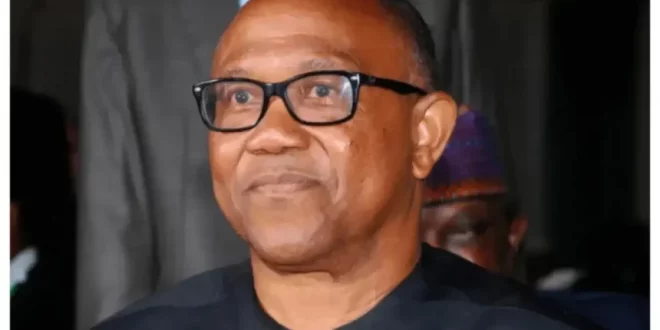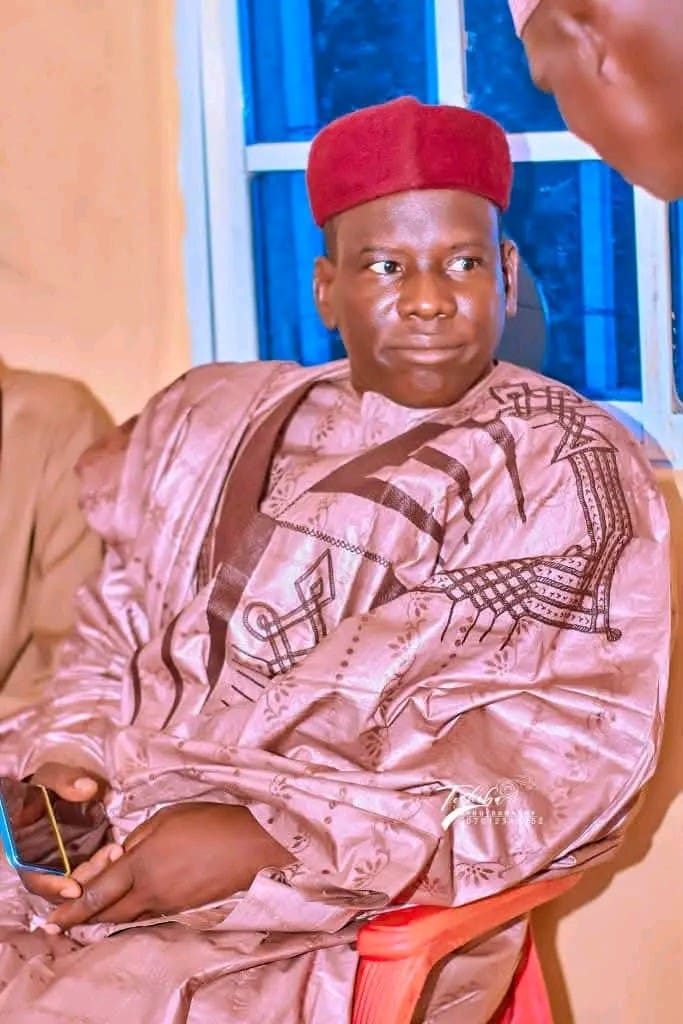
Two months after activist Samaila Ibrahim Kaigama publicly alleged that politicians profited from terrorist ransom payments, security forces arrested a Yobe politician over alleged links to ISWAP logistics support and interference in an ongoing investigation.
By Suleman Ayuba
MAIDUGURI, Nigeria —Two months after activist Samaila Ibrahim Kaigama warned that politicians were benefiting from terrorist ransom payments and collaborating with insurgents, security forces have arrested a Northeast politician over allegations of supporting Islamic State West Africa Province (ISWAP) logistics networks.
The arrest of Alhaji Wakiil Goni Mama, popularly known as Mai Salati, has renewed debate about whether political actors play a larger role in sustaining insurgent activity than authorities have publicly acknowledged. While investigators continue reviewing the allegations, no court has yet determined the politician’s guilt.
Kaigama repeated versions of these claims on national television and radio, asserting that large sums—reportedly around ₦5 billion (approximately $3 million US dollars) for hostages seized from Ngoshe in Gwoza—were released through official channels and intermediaries, yet only a fraction reached the captors. Watch related interview.
The terrorists, he claimed, complained about the shortfall and described certain political figures as preferred intermediaries. He further alleged that state politicians turned insecurity into a business, cutting shares from ransoms while security agencies struggled on the ground, and that he possessed voice notes and other evidence of these arrangements. TruthNigeria earlier reported about Samaila Ibrahim Kaigama here.
Hours after a Channels Television appearance repeating the allegations, Department of State Services operatives arrested him in Abuja in late July 2026. He was later arraigned on charges including terrorism financing and concealing information about ISWAP and Boko Haram activities. Kaigama remains in custody, his public warnings cut short.
Roughly two months later, troops of Operation Hadin Kai arrested Alhaji Wakiil Goni Mama, popularly known as Mai Salati, a Yobe-based politician, over allegations of terrorism logistics support and collaboration with Islamic State West Africa Province elements operating in the North-East.
Security expert Zagazola Makama said that the arrest followed sustained intelligence-led efforts involving the Commander of Sector 2 and the 27 Task Force Brigade (Zagazola report). Troops had earlier detained several suspects in Kanamma, Yobe State, in connection with suspected terrorist logistics. While those individuals were being processed, Mai Salati allegedly attempted to intervene and secure their release by offering money to soldiers. The troops rejected the inducement, arrested him, and began procedures to transfer him and the other suspects from Damaturu toward Maiduguri for detailed interrogation (Sahara Reporters).
Military sources described Mai Salati as allegedly operating as a high-profile logistics supplier and collaborator for terrorist networks. The investigation focuses on claims that he supplied or facilitated materials that sustain ISWAP operations (Daily Nigerian). An associate later claimed the politician was arrested at a hotel in Damaturu during a meeting and linked the detention to political opponents. Security sources have rejected political motivation, stating the operation concerns terrorism logistics and an attempt to interfere with the detention of persons suspected of supplying ISWAP (YEN.ng account).
A human rights lawyer, Hamza Nuhu Dantani, has written to the Chief of Army Staff seeking administrative bail or release pending investigation, citing the presumption of innocence and the timing after the defection (YEN.ng on bail request).
Security experts and analysts have stressed the seriousness of the allegations if established. Counter-terrorism operations, they note, depend heavily on disrupting the financial, transportation, communication, food, fuel, weapons, and other supply chains that keep terrorist organisations operational. Those who allegedly provide such support are therefore not peripheral to terrorism. One security-focused report emphasised that the alleged bribery attempt to free suspected logistics suppliers represents a particularly grave development, because it seeks to protect the very networks that allow groups like ISWAP to endure. The sources maintained that the matter is driven by intelligence rather than politics.
The sequence—Kaigama’s public claims about politicians sharing in ransoms and colluding with terrorists, his swift detention, and the later arrest of another North-East politician on logistics grounds—has intensified questions about how deeply political actors may be embedded in the insurgency’s survival, Gavvs Katiya, Chairman of Gwoza Refugees Resettlement Initiative, told TruthNigeria. While investigations continue and no court has yet determined guilt, the pattern of allegations, denials, and arrests points to a murky ecosystem in which money, influence, and supplies move across lines that official statements often treat as absolute. Whether the Mai Salati case yields evidence of wider collaboration or is resolved as an isolated incident remains to be seen, but the timing has kept the earlier warnings from Kaigama in sharp focus, Gavvs Katiya told TruthNigeria.
Suleman is a Ayuba Conflict Reporter for TruthNigeria