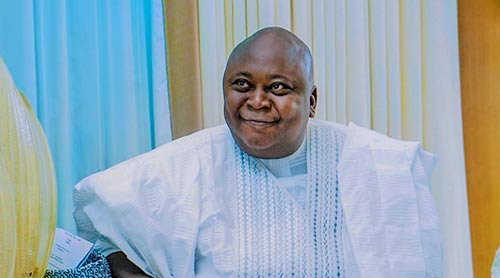
Amnesty International Nigeria has expressed serious concern over claims by Yoruba nation activist, Chief Sunday Adeyemo, popularly known as Sunday Igboho, that President Bola Tinubu directed him to continue security operations across the South-West, warning that the activities of armed private security groups could threaten political freedom and democratic participation ahead of the 2027 general elections.
The international human rights organisation raised the alarm on Sunday, November 29, 2026, citing previous threats attributed to Igboho against opposition political figures and their supporters, particularly former Vice-President Atiku Abubakar and former Anambra State Governor Peter Obi.
Amnesty maintained that the involvement of an armed private security organisation in an increasingly tense political environment raised concerns about the safety of opposition politicians, freedom of association and the right of Nigerians to participate in political activities without intimidation.
The organisation’s reaction followed statements issued by Igboho’s media office after his reported meeting with President Tinubu during the All Progressives Congress (APC) presidential campaign in Ibadan, Oyo State.
Igboho had claimed that the President personally instructed him to sustain security operations in the South-West and strengthen collaboration between his Iru Ekun Security Network and statutory security agencies.
The agencies mentioned included the Nigeria Police Force, the Nigerian Army, the State Security Service (SSS) and other relevant security institutions.
View this post on Instagram
According to Igboho, the directive was given during a brief meeting with Tinubu inside the President’s official vehicle shortly after the APC campaign rally at Mapo Hall, Ibadan.
He said their discussion lasted approximately five minutes and focused on security challenges affecting communities, farmlands and forest reserves across Yorubaland.
Igboho maintained that the President encouraged him to continue efforts to protect communities against criminal activities and possible infiltration by terrorists from neighbouring African countries.
In a statement explaining the encounter, the Yoruba activist said Tinubu instructed him to continue working with recognised security agencies to maintain peace and stability in the region.
He further claimed that the President emphasised the importance of cooperation between the Iru Ekun Security Network and conventional security institutions.
According to Igboho, the discussions also covered security arrangements intended to protect rural communities, urban centres and forest reserves ahead of the general elections.
He maintained that his organisation’s operations were intended to protect residents irrespective of ethnicity, religion or political affiliation.
However, Amnesty International questioned the implications of the alleged presidential directive, particularly in light of earlier statements attributed to Igboho concerning opposition political activities in the South-West.
In its statement on Sunday, the organisation expressed concern that Igboho’s claim of presidential support for his security activities could embolden political intimidation if the activities of his private security outfit were not subjected to proper scrutiny.
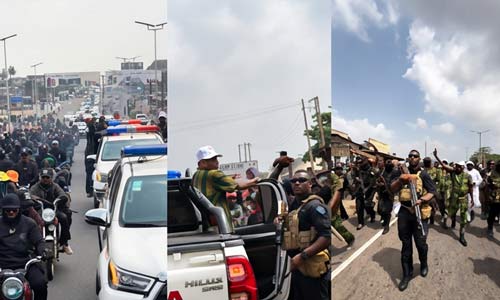
Amnesty identified the Iru Ekun Security Network as an armed private security organisation operating in the South-West and the Federal Capital Territory.
The rights organisation recalled that Igboho had previously been accused of threatening opposition politicians and people campaigning for rival political parties.
It specifically referred to statements attributed to him in March 2026, when he allegedly warned supporters of Atiku Abubakar and Peter Obi against campaigning in Yorubaland.
In the controversial remarks, Igboho was quoted as declaring that there should be no more campaigns for Atiku or Obi in the region.
The statements generated criticism because they appeared to suggest that opposition politicians and their supporters could be prevented from exercising their political rights in parts of the country.
Amnesty maintained that attempts to declare any region a restricted area for opposition political activities constituted a threat to constitutional democracy.
The organisation described Igboho’s previous statements and the implications of his activities as making him a danger to democracy.
The rights group stressed that no individual or private organisation had the authority to determine where Nigerians could live, which political party they could support or which candidates they could campaign for.
It maintained that freedom of association, personal liberty and political participation were rights that must be protected regardless of political affiliation.
According to Amnesty, citizens should not be exposed to threats or compelled to support a particular candidate as a condition for living or engaging in lawful activities in any part of Nigeria.
The organisation warned that political intimidation could undermine public confidence in the electoral process and prevent citizens from freely exercising their democratic rights.
Amnesty consequently called on Nigerian authorities to investigate allegations of incitement to violence and other human rights abuses connected with political activities before, during and after the general elections.
The rights organisation insisted that suspected perpetrators should be held accountable through lawful processes.
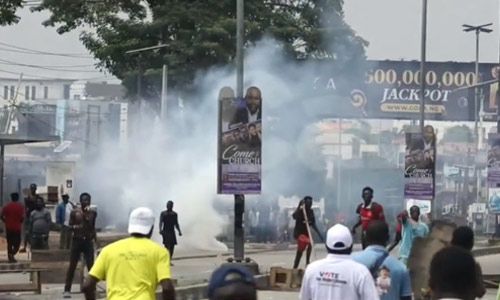
Its concerns come amid increasing attention to political threats, attacks on campaign gatherings and allegations of intimidation involving rival political groups ahead of the 2027 elections.
The controversy surrounding Igboho has also raised questions about the legal status, operational authority and accountability of private security organisations operating alongside statutory security agencies.
While cooperation between communities and lawful security institutions can support efforts to combat criminal activities, Amnesty’s concerns focus on the potential consequences where individuals accused of threatening political opponents exercise security functions.
The distinction is particularly significant because responsibility for maintaining public order, protecting citizens and enforcing the law rests with institutions exercising authority under Nigeria’s legal framework.
The existence of a private security organisation does not, by itself, confer unrestricted policing powers or authority to interfere with lawful political activities.
The allegation that Tinubu directed Igboho to continue security operations has therefore raised questions about whether any formal authorisation was given and what safeguards would govern the activities of the Iru Ekun Security Network.
Although Igboho’s media office provided an account of his discussion with the President, the information available does not establish that the Presidency independently confirmed the precise directive or formally delegated statutory security powers to the organisation.
The reported meeting and Igboho’s interpretation of the discussion should consequently be distinguished from any officially documented security arrangement.
The controversy has also attracted criticism from opposition figures and political organisations.
The African Democratic Congress (ADC) and political associates of Atiku Abubakar have questioned the alleged involvement of Igboho’s security outfit in public security arrangements, particularly because of his previous statements against opposition political activities.
They raised concerns about the possibility of private armed groups being used to intimidate political opponents ahead of the presidential election.
Earlier in March, the Human Rights Writers Association of Nigeria (HURIWA) called on security agencies to investigate threats attributed to Igboho against opposition politicians.
The organisation argued that threatening candidates or their supporters because of political differences was incompatible with democratic participation.
The renewed controversy has brought those earlier concerns back into public discussion following Igboho’s claim that he received instructions directly from the President.
For Amnesty International, the issue extends beyond the question of whether the President held discussions with the Yoruba activist.
The organisation’s concern is whether armed private groups could operate in ways that restrict political freedoms, intimidate voters or create an atmosphere of fear ahead of the elections.
It maintained that the authorities must investigate allegations of threats and ensure that political activities are conducted without violence or intimidation.
Amnesty also emphasised that the right to campaign, associate with political organisations and participate in elections must be available to Nigerians irrespective of their ethnic backgrounds, religious identities or political preferences.
The organisation’s position comes as preparations intensify for the January 16, 2027 presidential and National Assembly elections.
With political parties seeking support across the country, the ability of candidates and their supporters to campaign freely remains an important element of the electoral process.
Amnesty’s intervention has therefore placed renewed attention on the responsibility of the Federal Government and statutory security agencies to ensure that security operations do not become instruments of partisan intimidation.
The rights organisation insisted that allegations of incitement to violence must be thoroughly investigated and that those found responsible should face appropriate legal consequences.
For now, Igboho maintains that his interaction with Tinubu concerned security cooperation and the protection of communities across the South-West.
Amnesty International, however, has warned that his previous statements against opposition politicians make the claims concerning an alleged presidential security directive particularly troubling.
The organisation maintained that political freedom and democratic participation must be protected, while the authorities must ensure that no individual or armed group uses security activities as a justification for threatening opposition politicians or their supporters.
The post “Danger To Democracy” — Amnesty International Raises Alarm Over Igboho’s Alleged Tinubu Security Directive, Threats To Opposition appeared first on TheNigeriaLawyer.