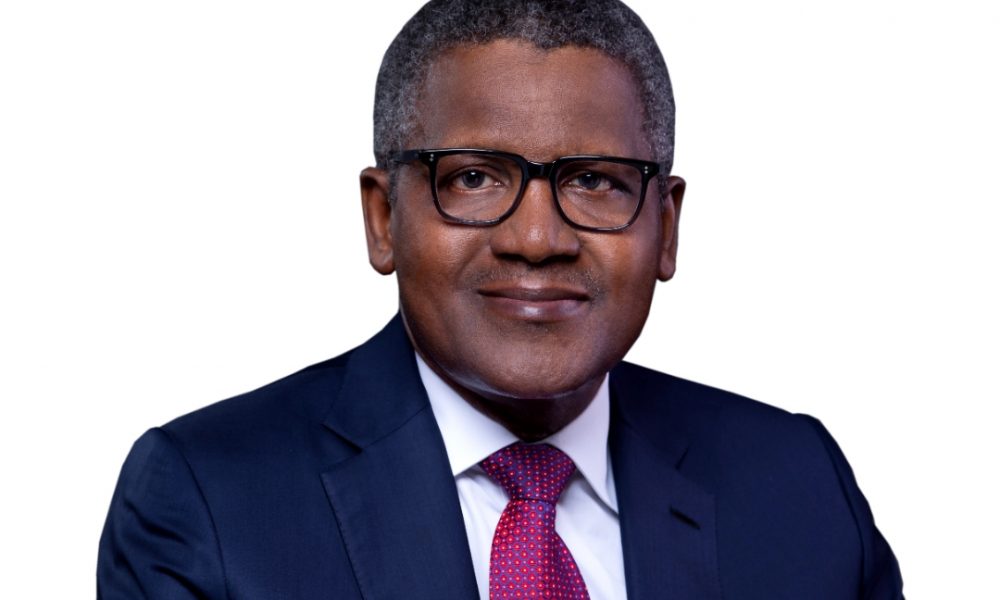
Aliko Dangote, President and Chief Executive of Dangote Industries Limited, has announced plans for a major intervention in Africa’s electricity sector through a proposed 10,000-megawatt power-generation programme as part of the group’s expanded investment strategy.
The industrialist disclosed that the initiative could cover several African countries, potentially including Nigeria, as the conglomerate considers increasing its investment programme across the continent from $50 billion to about $70 billion under its Vision 2030.
Speaking during an engagement with creative industry stakeholders from Northern Nigeria, including content creators, journalists, bloggers, entertainers and Kannywood stars, Dangote identified inadequate electricity supply as a major constraint on industrial expansion and the growth of small and medium-sized enterprises.
He said the proposed 10,000MW programme would be separate from the electricity generated for the group’s manufacturing operations, which is also expected to increase significantly by the end of the Vision 2030 investment cycle.
“Across the group, we currently have almost 1,500 megawatts. By the time we complete Vision 2030, that could rise to between 4,500 and 5,000 megawatts,” Dangote said.
“That is captive power—electricity for our own operations. Separately, part of the vision is to intervene in power generation with 10,000 megawatts across Africa, potentially including Nigeria.”
You May Like: GTBank Launches 737 App for Young Customers
The proposed investment comes against the background of persistent electricity supply challenges across Nigeria, where businesses rely heavily on petrol and diesel generators to supplement inadequate grid supply.
Dangote argued that the cost of alternative electricity makes it difficult for smaller businesses to operate profitably, warning that individual investments in solar systems and generators would not resolve the wider problem.
“Installing solar power for yourself does not mean the wider problem has been solved. Other people may not have that option,” he said, adding that a vibrant economy depended substantially on the performance of SMEs.
He also said the group’s decision to increase its planned African investment from $50 billion to approximately $70 billion reflected its ambition to expand production, create employment and address infrastructure constraints affecting businesses.
Dangote maintained that government policies and a stable business environment were critical to attracting investment, arguing that businesses would be better positioned to expand when government provides the necessary conditions for growth.
He identified agriculture and solid minerals as sectors with significant investment opportunities, particularly in Northern Nigeria, but stressed the need to develop local processing capacity instead of exporting raw materials and importing finished products.
The industrialist said the group would continue investing in manufacturing and encouraged smaller businesses to position themselves as suppliers and service providers around major industrial projects.
He also attributed the group’s expansion to financial discipline, reinvestment of earnings and a gradual transition from trading to manufacturing.
