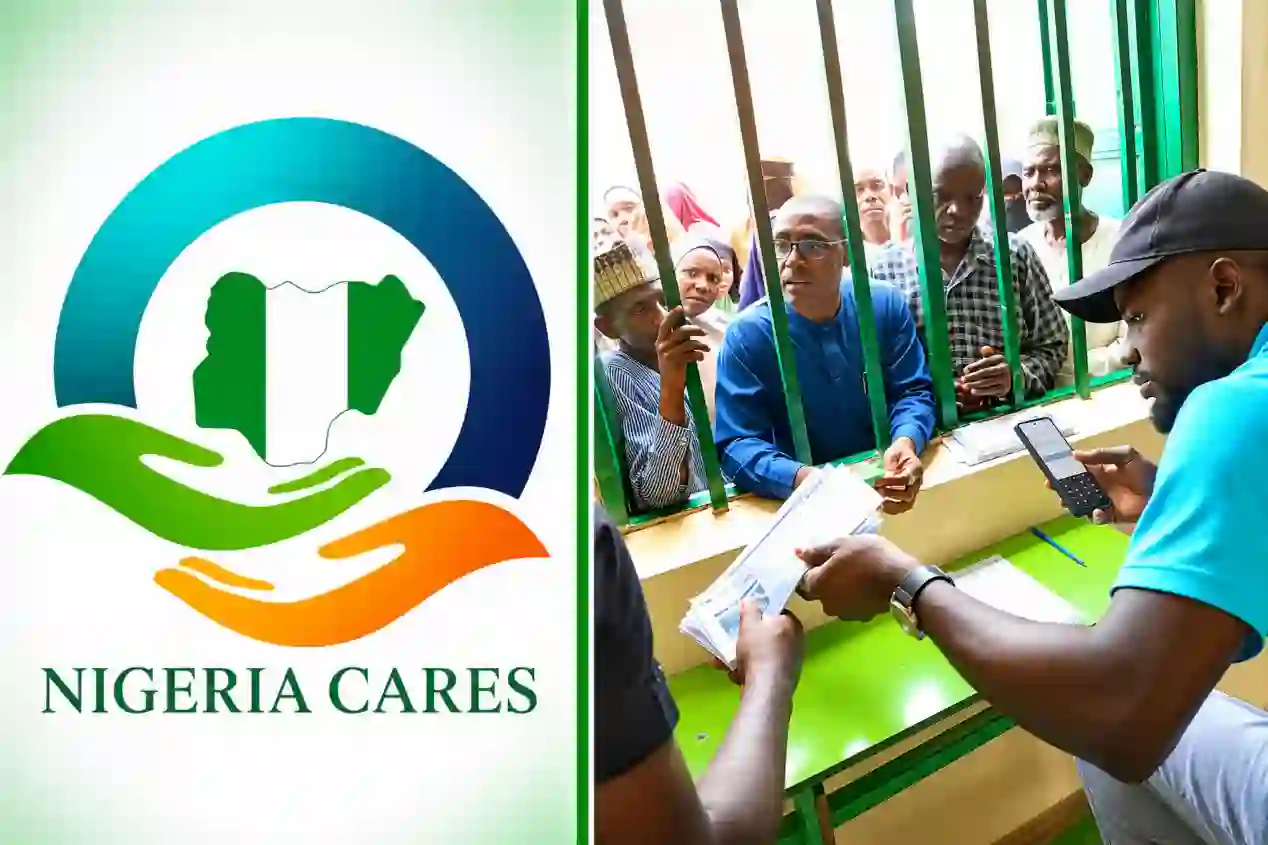
The Federal Government has allocated $490 million to states under the additional World Bank financing for the Nigeria COVID-19 Action Recovery and Economic Stimulus (NG-CARES) programme to improve the livelihoods of vulnerable Nigerians.
The National Coordinator of the NG-CARES Support Unit, Dr Abdulkarim Obaje, disclosed this during a stakeholders’ technical meeting in Abuja.
Obaje explained that the allocation formed part of the $500 million additional financing provided to expand interventions addressing poverty, food insecurity and economic challenges facing households and small businesses.
He said state governments would play a central role in implementing the programme, with governors providing leadership and relevant ministries supporting budgeting, monitoring and delivery.
According to him, 17 states had submitted eligibility documents to the World Bank for clearance, while six others had satisfied federal requirements and were preparing to submit their documents.
He added that outstanding documentation issues were being addressed to enable participating states to commence implementation.
The Minister of Budget and Economic Planning, Senator Abubakar Atiku Bagudu, urged states to accelerate implementation to help vulnerable communities cope with the effects of ongoing economic reforms.
Bagudu also encouraged state governments to demonstrate the impact of their interventions to attract further investments from development partners and the private sector.
Who can benefit
The World Bank’s NG-CARES Task Team Leader, Dr Lire Ersado, said the programme covers social protection, agriculture, food security and support for nano, small and micro businesses.
The programme had also supported communities affected by the 2022 floods.
He disclosed that approximately 17.6 million Nigerians had directly benefited from previous interventions under the programme.
The World Bank Country Director for Nigeria, Mathew Verghis, said the additional financing was expected to reach about 8.9 million beneficiaries, including 4.1 million children, and support approximately 4.5 million households.
He added that the programme would strengthen the social register, improve beneficiary identification and ensure transparent delivery of financial assistance.
States can implement interventions according to their respective economic and social priorities.
How to apply
Interested Nigerians should contact the NG-CARES coordinating offices in their respective states for information on beneficiary registration and available interventions.
Farmers, small business owners and vulnerable households should follow announcements from their state governments regarding eligibility requirements and registration procedures.
Further information about the programme is available at https://ngcares.gov.ng/.
Registration arrangements will depend on the interventions selected by each participating state. No fresh nationwide application portal or registration deadline was announced at the meeting.