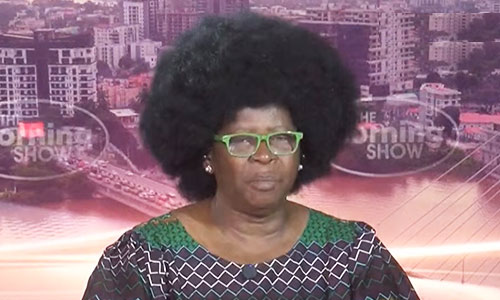
Former Country Director of ActionAid Nigeria, Ene Obi, has accused some state governors and political leaders of creating hostile political environments and allegedly intimidating opposition parties in a desperate attempt to fulfil promises of delivering millions of votes to President Bola Tinubu in the 2027 presidential election.
Obi, a member of the Steering Committee of the Nigerian Civil Society Situation Room, questioned why governors who were elected with fewer than one million votes would promise to deliver as many as 2.5 million votes to the President, warning that such commitments could encourage political desperation, intimidation and attempts to suppress opposition activities.
Speaking in an interview published on Sunday, November 29, 2026, Obi expressed concern over the political atmosphere ahead of the general elections, arguing that the determination of some governors to deliver their states to the ruling All Progressives Congress (APC) was contributing to hostility against opposition political parties.
She alleged that some political leaders had made commitments to President Tinubu and were now creating difficult conditions for opposition parties to ensure that those promises were fulfilled.
According to her, the development raised serious questions about the quality of political leadership and the commitment of elected officials to democratic principles.
“It shows the quality of the people in politics, that the kind of people that we have as leaders. This is because many of the governors have made promises that they will deliver their state, and to do so they are creating stringent environments to make sure that they do what they have promised their, is it their godfather?” Obi said.
The civil society advocate questioned the basis upon which governors could confidently pledge millions of votes to the President when their own electoral victories had been secured with substantially fewer votes.
She argued that the disparity between the votes that brought some governors into office and the numbers they were promising to deliver in the presidential election deserved public scrutiny.
“Why would somebody who the population that brought you on board as governor is not even up to a million, and you are promising the President that you get 2.5 million for him?” she queried.
Obi maintained that political leaders should concentrate on persuading voters through their policies and programmes rather than creating obstacles for opposition parties.
She questioned why governors and other political actors would allegedly resort to intimidation and restrictions on political activities if the ruling party was genuinely confident of its electoral strength.
According to her, the APC’s claims about its political influence across the country should ordinarily reduce the pressure on its leaders to resort to desperate measures during election campaigns.
She referred to claims that the ruling party had secured political control or support in more than 30 states, questioning why its leaders would still be concerned about the activities of opposition parties.
“If you say you have about more than 30 states, that’s the ruling party now. If you say you have more than 30 states you have captured already. That’s enough for winning,” she said.
Obi consequently questioned the continued political pressure and alleged attempts to restrict opposition activities.
“So why not go home and rest? Why not go home and sleep?” she asked.
Her comments come amid concerns about political violence, restrictions on campaign activities and allegations of intimidation involving opposition parties ahead of the 2027 general elections.
Opposition political figures and organisations have raised concerns about threats against their supporters, attacks during political gatherings and difficulties securing access to public facilities for campaign activities.
Some opposition parties have also accused state governments and political actors of using their control over public institutions and security structures to create unfavourable conditions for their opponents.
Such allegations have intensified concerns about whether all political parties will be allowed to campaign freely and compete under fair conditions in the forthcoming elections.
In Rivers State, for instance, the political crisis involving supporters of Governor Siminalayi Fubara and the political camp of his predecessor, Nyesom Wike, has continued to generate debate about political hostility and the ability of rival political groups to operate freely.
Obi’s criticism centred on the broader concern that electoral competition should not become an excuse for political leaders to restrict the activities of their opponents.
She argued that the desperation to fulfil promises made to powerful political figures could undermine democratic institutions and weaken public confidence in elections.
However, her allegations concerning the motives and conduct of some governors remain claims that would require examination of specific incidents and evidence to establish responsibility.
The former ActionAid Nigeria Country Director maintained that political leaders should recognise that electoral victory ultimately depends on the decisions of voters rather than assurances made by governors or party officials.
She insisted that attempts to weaken opposition parties would not necessarily determine how Nigerians would vote.
“No matter how you try to pull down the opposition or those who are in the different political parties, the people will make up their minds,” Obi stated.
She emphasised that Nigerians have the right to decide who governs them, regardless of the political preferences or commitments of state governors.
According to her, the focus should be on protecting the integrity of the electoral process and ensuring that voters are allowed to express their choices freely.
Obi also called attention to the responsibility of the Independent National Electoral Commission (INEC), maintaining that the commission’s conduct would be central to public confidence in the 2027 elections.
She urged the electoral body to demonstrate independence, credibility and transparency while discharging its constitutional responsibilities.
The civil society advocate said Nigerians and election observers would be paying close attention to INEC’s actions, particularly in the face of allegations of political intimidation and attempts to weaken opposition parties.
“Our focus in this election will be on INEC because the citizens are watching,” she declared.
Obi maintained that the commission must ensure that political parties and candidates operate within the established electoral framework and that citizens are allowed to participate in the process without undue interference.
She also stressed the importance of civil society organisations remaining vigilant throughout the election period to protect democratic principles and hold electoral institutions accountable.
According to her, attention must be directed towards ensuring that INEC fulfils its mandate and does not allow the electoral process to be undermined by the interests of political officeholders.
“Let us focus and make sure that INEC answers its name,” she said.
Her warning comes as political parties intensify preparations for the January 16, 2027 presidential and National Assembly elections.
The approaching elections have generated debate about the conduct of political campaigns, the use of state institutions, the safety of opposition supporters and the responsibility of electoral authorities to guarantee a level playing field.
For Obi, the central concern is that governors who have made ambitious electoral promises should not translate those commitments into hostility against other political parties.
She maintained that the number of votes promised to a presidential candidate could not replace the independent decisions of voters at the ballot box.
The former Country Director of ActionAid Nigeria consequently urged Nigerians to remain attentive to the conduct of political leaders and the electoral commission as preparations for the elections continue.
She insisted that, notwithstanding efforts allegedly aimed at weakening opposition parties, voters must retain the freedom to determine their preferred candidates.
Obi reiterated that INEC’s independence and adherence to its responsibilities would remain central to ensuring that the electoral process reflects the will of Nigerians.
“Our focus in this election will be on INEC because the citizens are watching,” she maintained.
The post “Governors Promised Tinubu 2.5m Votes” — Ene Obi Alleges Opposition Intimidation, Political Violence Ahead Of 2027 Elections appeared first on TheNigeriaLawyer.