The information minister says the Tinubu administration had prioritised transparency, citizen engagement and national values in its communication strategies to promote national unity and foster social cohesion.
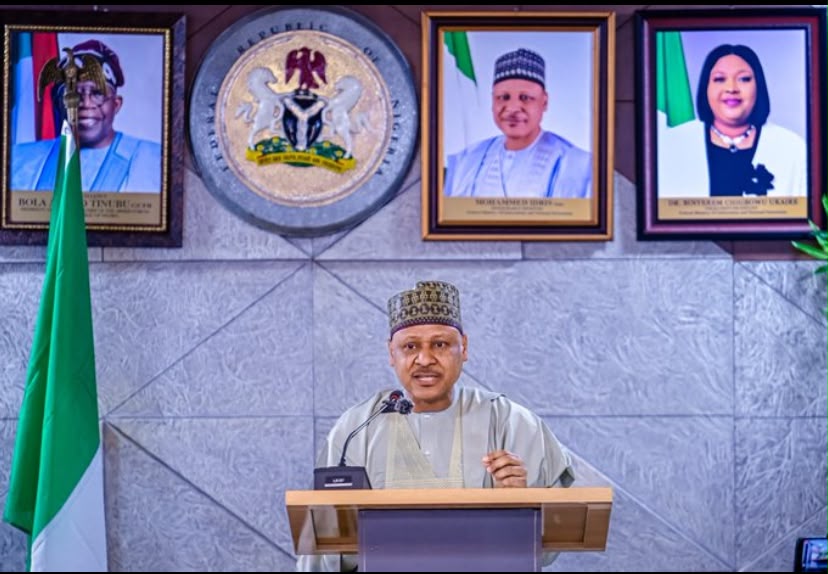
The Minister of Information and National Orientation, Mohammed Idris, on Wednesday said Nigeria had secured UNESCO approval to establish a Media and Information Literacy Centre in Abuja as a Category 2 institute.
Mr Idris said the proposed institute was part of the Nigerian government’s efforts to tackle fake news, misinformation and disinformation.
He disclosed this while delivering a keynote address on the fourth day of the ongoing World Public Relations Forum in Abuja.
“In Nigeria, we have also taken a step further by applying for, bidding for, and also clinching the first-ever Media and Information Literacy Centre, and it’s a UNESCO Category 2 institute here in Abuja. Now, this is the contribution that Nigeria is making to help tackle the menace of fake news, misinformation and disinformation,” he said.
On government communication, the minister said the Tinubu administration had prioritised transparency, citizen engagement and national values in its communication strategies to promote national unity and foster social cohesion.
“Government communication must go beyond announcing policies or explaining decisions. It also has to do with encouraging dialogue and building public confidence. Gone are the days when leaders are expected to dish out information to citizens, and citizens are expected to swallow it without any feedback.
“Today, communication has become very, very sophisticated, especially with the role that technology is playing. For us, therefore, in Nigeria, under the able leadership of President Bola Ahmed Tinubu, we prioritise transparent communication, citizen engagement and national values. All these are ingredients that promote national unity and foster social cohesion among our people,” he added.
Mr Idris also pledged that the government would continue to work with the media and civil society organisations while adopting technology to strengthen Nigeria’s communication strategy.
“We in Nigeria, and I believe this is also what happens across the globe, work with the media, work with civil society and also adopt technology. But while doing all that, we also have a role to play in strengthening information credibility while adapting to and embracing technology,” he said.
The establishment of the centre comes amid concerns over the spread of false information, particularly on social media and other digital platforms, where unverified claims, manipulated content and fabricated reports can circulate rapidly and influence public opinion.
Misinformation refers to false or inaccurate information shared without necessarily intending to deceive, while disinformation involves deliberately creating and distributing false information to mislead the public. Fake news, meanwhile, generally describes fabricated or misleading content presented in the form of legitimate news.
In Nigeria, the spread of such information affects public trust, national security, democratic participation, and social cohesion. False claims about government policies, political developments, elections, ethnic and religious tensions, and public health issues can heighten tensions, mislead citizens, and undermine confidence in public institutions.
A media and information literacy centre could help address these challenges by equipping Nigerians with the skills to critically assess information, identify misleading content, verify claims and distinguish credible news reports from fabricated or manipulated material.
Through research, training, public awareness campaigns and collaboration with media organisations, educational institutions, technology companies and civil society groups, the institute could also strengthen professional standards in information dissemination and promote responsible digital citizenship.
As a UNESCO Category 2 institute, the centre could further provide a platform for international cooperation, knowledge exchange and the development of policies and programmes to improve media and information literacy in Nigeria and beyond.
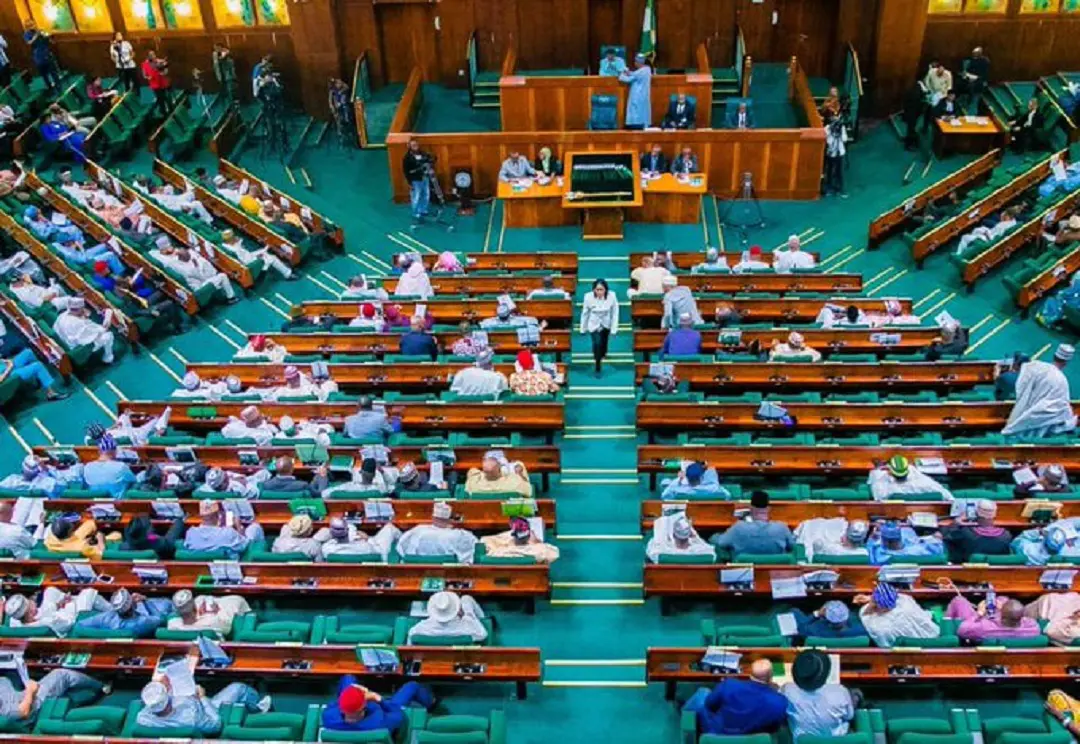
Delegates from 126 countries are participating in the ongoing World Public Relations Forum in Abuja.
Addressing the delegates, Mr Idris said Nigeria’s citizenship and indigenisation policies were open to foreigners interested in making the country their home.
“For those who are coming for the first time, our policy of indigenisation and citizenship is open. Anyone of you who is interested in remaining in Nigeria or going and then coming back, our doors are open. All of you, our friends, the 126 countries represented here in this hall, are all welcome to Nigeria,” he said.
Mr Idris said the Tinubu administration would continue to promote diplomatic understanding between Nigerians and citizens of other countries to foster peaceful coexistence.
“The government of Nigeria, under the leadership of President Bola Ahmed Tinubu, will ever provide a platform for you to create this necessary understanding between citizens so that the world can live in peace forever,” he added.
Also speaking at the event, Imo State Governor Hope Uzodimma explained how his administration has communicated government policies to residents of the state.
Mr Uzodimma, a member of the ruling All Progressives Congress (APC), referenced the removal of fuel subsidy by the Tinubu administration as an example of a policy that required effective communication.
The removal triggered widespread concerns among Nigerians, including residents of Imo State, over rising transportation fares, food prices and the cost of living.
The governor acknowledged that the period was difficult for the government but said his administration had worked to communicate its strategies to the people.
He explained that providing modern buses at subsidised fares on major routes in Owerri could affect commercial transport operators, who might see the initiative as a threat to their livelihoods.
“Let’s say the government puts modern buses with low fares on the busy routes in Owerri. Workers, traders and students will save money on transportation costs. Then the commercial drivers might feel that the government has taken away their sources of income.
“Even then, they have room to adjust. Some can run shuttle services. Some can offer car hire services. Others can serve routes the big buses do not reach. The import here is that the same decision that hurts many can help a few, at least for a while,” he said.
Mr Uzodimma said governments had a responsibility to balance the effects of their policies on different groups while consistently communicating their benefits and objectives.
He said his administration had tried to achieve this during the fuel subsidy removal period by explaining the reasons behind the policy and its expected benefits.
“But as a government, our duty is to spread the good as widely as we can, and to communicate our intentions, our purposes and goals to those who must bear some pain along the way. By communicating this, we help them to adjust. And they adjust because they trust our communication that the hardship will pass.