Critics warn authorities weaponize elite counter-kidnapping squads and cybercrime charges to silence accountability reporting ahead of Nigeria’s 2027 elections
By Mary Kiara
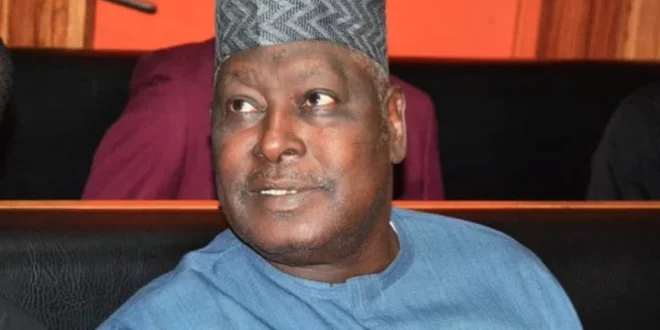
LAGOS, Nigeria – A Nigerian federal court remanded investigative journalist Daniel Ojukwu, who exposed roughly $109,000 in missing school funds, on November 10, sparking press-freedom alarms as deadly attacks go unpunished.
Ojukwu, a correspondent with the Foundation for Investigative Journalism, was ordered held at Kuje Correctional Centre in Abuja until December 1 on a 12-count charge of cyberstalking and criminal defamation tied to the reporting on the Office of the Senior Special Assistant to the President on Sustainable Development Goals, then led by former Lagos State Deputy Governor Adejoke Orelope-Adefulire.
The remand comes after senior officials publicly denied press harassment and assured international observers that the press enjoys complete freedom under President Bola Tinubu’s administration.
The Missing-Classrooms Probe and Criminal Charges
The prosecution stems from late-2023 reporting examining a May 15, 2023 payment of ₦147.1 million (roughly $109,000) to Enseno Global Ventures Limited for classroom and skills-center construction in Lagos.
Corporate records cited in the reporting listed the firm as an inactive Abuja-based restaurant with no engineering registration or construction track record.
When reporters visited the designated site, no construction existed, and a mosque occupied part of the original land.
Rather than auditing the contract or missing classrooms, the Nigeria Police Force deployed its Intelligence Response Team – an elite tactical unit created to hunt violent kidnappers and terrorist syndicates to secretly detain Ojukwu in Lagos in May 2024, holding him for 10 days before transferring him to in Abuja.
Prosecutors revived the 12-count charge, also naming outlet founder Fisayo Soyombo, as a co-defendant and alleging the reports caused Orelope-Adefulire “fear of death, violence or bodily harm” under Nigeria’s Cybercrimes Act and Criminal Code.
Cybercrime Statutes and Weaponized Enforcement
Critics and legal advocates argue that broad provisions in Nigeria’s cybercrime and criminal defamation laws are being weaponized to punish and intimidate reporters, and shield public spending from scrutiny.
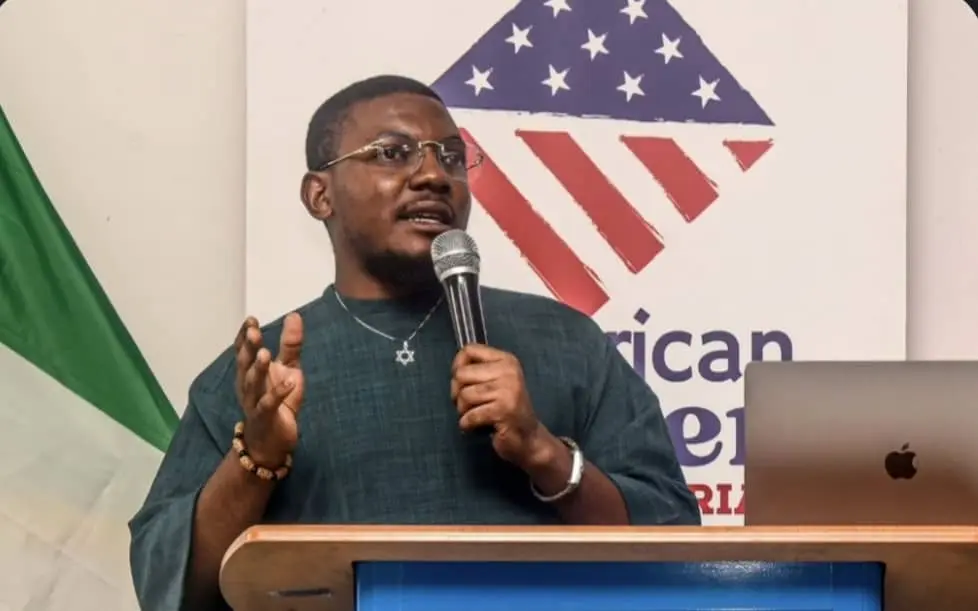
“What we’ve seen with the Cybercrimes Act, the 2015 version and the 2024 amended version is that the wording of the law itself is problematic. It is subjective and lends itself to misuse,” Kolawole Oluwadare, deputy director of the Socio-Economic Rights and Accountability Project, told TruthNigeria.
“The aim of these kinds of actions is all part of the means… and it’s perhaps going to scale up until elections… to bring forth some sort of self-censorship. So you are careful what you say, not because it is false, but because you don’t want to get into trouble.”
“Daniel is not in prison because he stole public funds; Daniel is in prison because he questioned where public funds went and how they were being used,” Daniel Otabor, a Nigerian leadership advocate and political analyst, told TruthNigeria.
“If asking ‘Did you build the classroom?’ becomes a basis for defamation, we are treading on the wrong path.”
Although civil society groups have repeatedly challenged the vague wording of the law; authorities continue to deploy elite tactical units against journalists.
Press Freedom Claims and Selective Law Enforcement
Abuja’s claims of press freedom clash with documented abuses and selective law enforcement.
Media Rights Agenda recorded 86 press-freedom violations in 2025, with the Nigeria Police Force cited in 48 percent of incidents and Zero perpetrators prosecuted.
The Committee to Protect Journalists has documented at least 29 cybercrime prosecutions against journalists since 2015 and 91 journalists arrested, attacked or harassed since May 2023 – when Tinubu was sworn into office.
Vice President Kashim Shettima claimed in February that no journalists had been harassed under President Bola Tinubu’s administration and presidential spokesman Sunday Dare insisted in May that the government had “no record of unresolved infringements on rights of journalists.”
“The Nigerian government’s suggestion that there has been no harassment of journalists since President Tinubu took office indicates an ambition to erase these abuses from the public consciousness and evade its responsibility for ensuring accountability,” Angela Quintal, Africa director for the Committee to Protect Journalists, said in a public assessment.
Oluwadare also tied neglected school funding to broader security threats.
“UNICEF reports that we have more than 18 million out-of-school children. Those 18 million out-of-school children, when they become 17 or 18, don’t you think the ranks of terrorists are going to swell because they didn’t go to school?” Oluwadare asked.
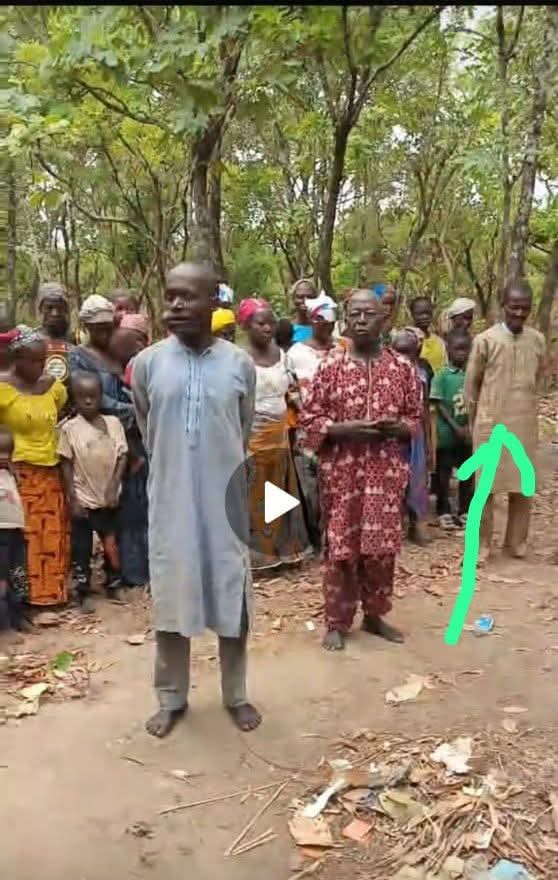
In the same week Ojukwu was remanded to prison, authorities announced no arrests following the November 6 midnight ambush of Catholic priest Rev. Fr. Peter Kwen in Benue State or the November 8 highway ambush in Plateau State that killed a Nigerian soldier and three commuters.
“There will be arrest of terrorists and terrorist elements, but the next thing you hear is a directive from Abuja, someone using his office, so that the terrorists are sent to those offices and then after a week or so, you see them {the terrorists} returning home,” Barrister Solomon Dalyop, president of the Berom Youth Moulders-Association, told TruthNigeria.
Shrinking Civic Space Ahead of the 2027 Polls
“Nigeria is facing its own challenges like rising insecurity, shrinking freedom of expression, and a struggling economy, which are preventing the country from long-term stability and prosperity,” Rep. Sara Jacobs (D-CA), the subcommittee’s ranking member, said during a November 12 hearing.
Ahead of Nigeria’s 2027 elections, observers say Ojukwu’s December 1 bail hearing will test whether accountability reporting can survive.
“If journalists become scared or threatened to do their job, we are not going to have a democracy,” Otabor told TruthNigeria.
Mary Kiara reports on Religious Freedom Policy and Human Rights for TruthNigeria.