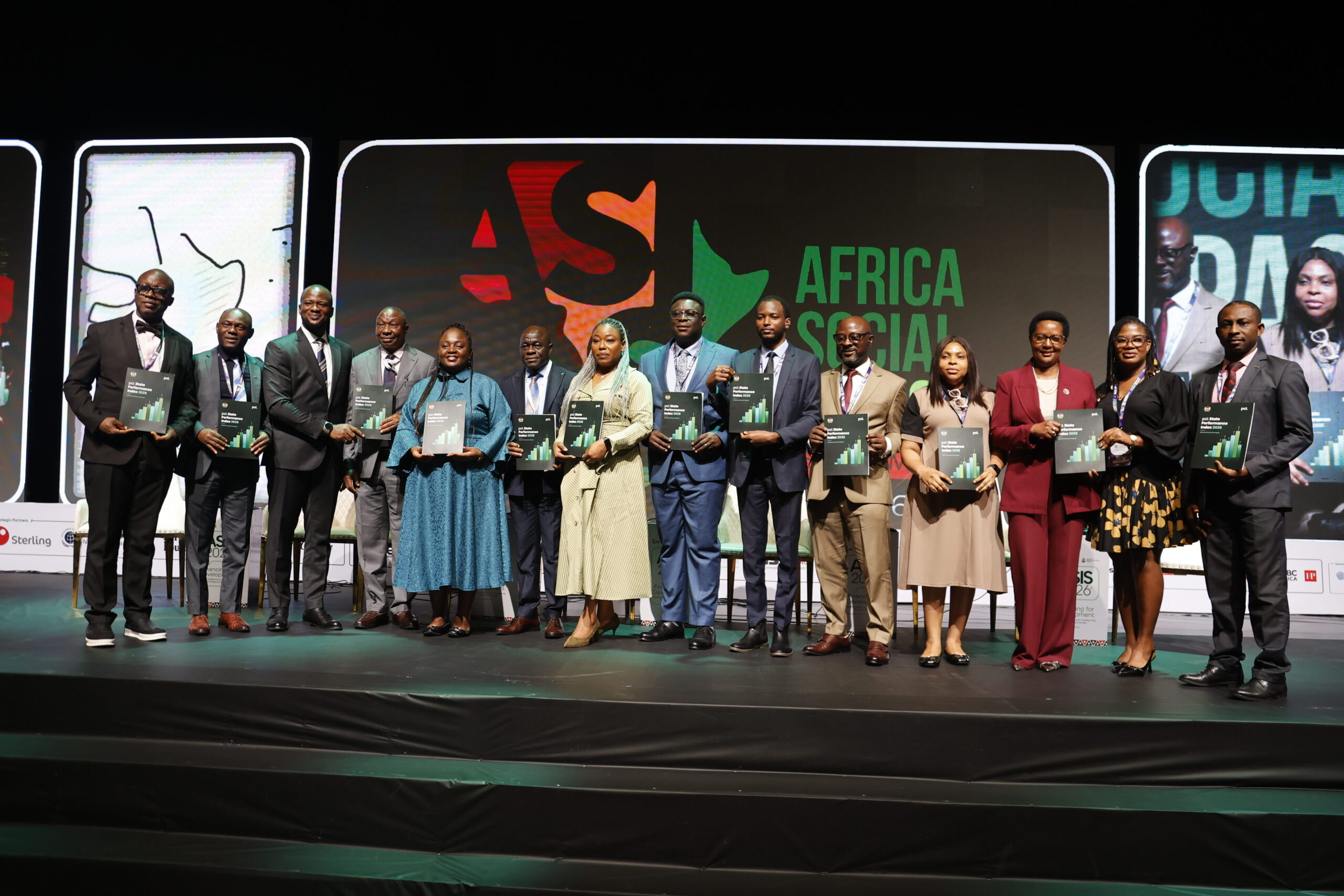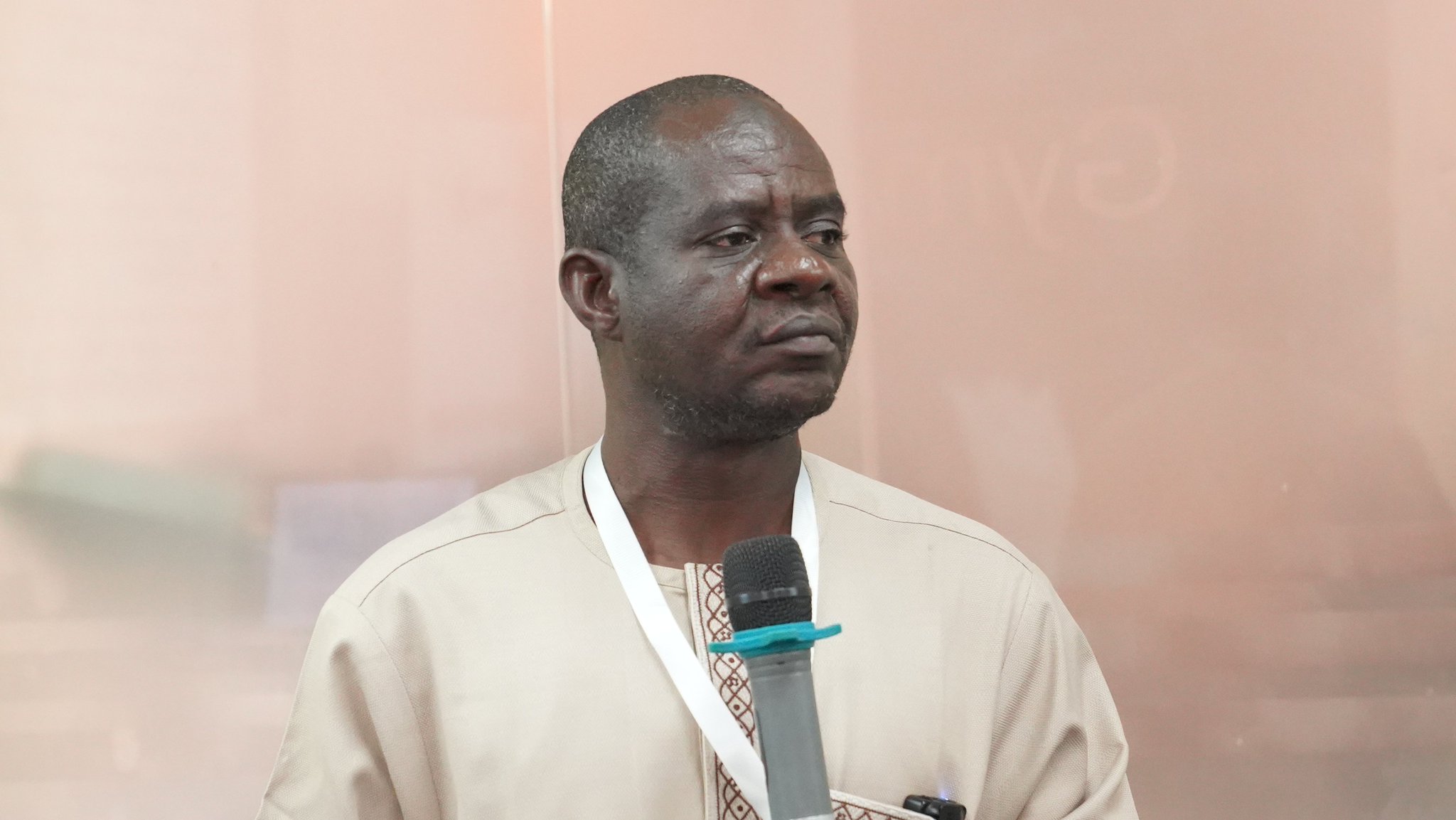
The training brought together business and maritime journalists to strengthen their capacity to report on the sectors through data analysis, investigative techniques, governance reporting, and the use of artificial intelligence
The Premium Times Training Academy (PTTA) held a two-day workshop for business and maritime journalists who report on maritime, business, investigative, data-driven, and accountability issues
PTTA, the capacity-building arm of PREMIUM TIMES, held the workshop from 25 to 26 November in collaboration with the Nigerian Ports Authority (NPA), training participants to leverage open-source information and public records to produce impactful stories on Nigeria’s maritime industry.
The training brought together business and maritime journalists to strengthen their capacity to report on the sectors through data analysis, investigative techniques, governance reporting and the use of artificial intelligence.
Musikilu Mojeed, Editor-in-Chief of Premium Times, trained participants on open-source data and resources for Nigerian maritime industry reporting, challenging them to utilise the wealth of information available on the websites of agencies and authorities.
The media expert led trainees to sources such as the Nigerian Ports Authority (NPA), the Nigerian Maritime Administration and Safety Agency (NIMASA), the International Maritime Bureau, the National Bureau of Statistics (NBS), the Nigeria Customs Service (NCS), and other relevant institutions.
Mr Mojeed, President of the International Press Institute (IPI) Nigeria, said journalists must be able to identify key open-source resources for Nigerian maritime reporting and locate relevant information on vessels, ports, shipping activities, policies and regulations.
Citing data and information available from the NPA, NIMASA, and other relevant sources, he urged participants to use these resources to investigate claims, identify story leads, and gather evidence, while cross-checking sources and assessing data reliability.
“Maritime reporting goes beyond covering port activities and vessel movements. It involves investigating the institutions, transactions, policies and operations that shape the industry.
“Useful information is available through government agencies, specialised databases, vessel-tracking platforms and industry organisations. Journalists need to know where to find these records, how to interpret them and how to use them to develop credible stories,” Mr Mojeed said.
At the training, the NPA’s General Manager, Corporate and Strategic Communications, Ikechukwu Onyemekara, urged maritime and business reporters to establish which link in the chain had failed before assigning responsibility in their reports.
“The port is a community of institutions, and both blame and credit should land where they belong,” he said.
Mr Onyemekara said journalists must always consult primary sources first, noting that the authority publishes quarterly and annual operational performance reports. At the same time, the NBS and other agencies release trade data every quarter.
“Read the source before the commentary. My charge to you is simple. Let evidence lead your stories. Let context shape them. Let fairness guide them. When rumour and data disagree, follow the data.
“When the data is incomplete, say so and ask for more. We do not ask you for praise; we ask for accuracy. Where we fall short, report it. Where we make progress, report that too, with the same discipline,” the NPA official said.
The Managing Editor of Premium Times, Idris Akinbajo, encouraged participants to look beyond surface-level stories, challenging journalists to focus more on enterprising and investigative reporting of unusual trends in public data and reports.
“One reality we all know is that the volume of work we do can be much. So doing enterprise stories may be challenging.
“But if you set a target yourself, you will surely achieve this and report beyond usual press releases given out to you,” the Premium Times’ Managing Editor said.
During his session on ‘Generating Story Ideas for Business and Maritime’, Mr Akinbajo urged reporters to build resource banks in their respective fields while applying five lenses of journalism: people, processes, data, money and fictions.
Ray Echebiri, Editor-in-Chief of NextMoney, explained the importance of understanding Nigeria’s maritime sector and governance, urging journalists to serve as catalysts for the sector’s growth and development.
“As journalists, you are not just observers of the maritime sector; you are watchdogs for transparency, accountability, and good governance. You are catalysts for the growth and development of the maritime sector,” he said.
Mr Echebiri added that the quality of journalists’ reporting could shape perceptions, influence policy and spotlight opportunities in the maritime sector, urging them to use the knowledge gained from the programme to produce more impactful reports.
“Together, we can help build a maritime sector that is capable of delivering its full promise to Nigeria and Nigerians,” Mr Echebiri said.

Gbemiga Ogunleye, Principal Partner at Ebunoluwa Chambers and a former editor at The Punch, explained the key laws and regulations Nigerian maritime reporters need to understand to carry out their duties without violating relevant rules.
He said journalists must understand the Freedom of Information Act, the revised 2022 Nigeria Union of Journalists (NUJ) Code of Conduct and the NIMASA Act to report maritime issues effectively.
At the workshop, Mr Ogunleye also urged participants to uphold journalism ethics and ensure personal biases or relationships with sources do not influence their reports.
“There will be pressure on you to do what you are not supposed to do; you must always stand your ground,” he said.
Also at the training, Joshua Osiyemi, Head of Tracka at BudgIT Foundation, taught participants how to track and report business and maritime budgets and procurement processes, which journalists can use to hold agencies in the sector accountable.
He introduced the trainees to Open State, a civic technology and open-data repository that provides quarterly budget reports for Nigerian states. He also presented other platforms through which journalists can track government allocations and proposed, ongoing and abandoned projects.
 Femi Adekoya, editor at The Guardian, exposed participants to data visualisation and infographics for business and maritime reporting, emphasising their importance in helping media audiences understand complex issues.