In a statement issued fafterthe conference, concluded Mr Guterres expressed disappointment owiththe outcome, warning that the failure to secure an agreement came at a time when rising global temperatures and worsening climate extremes demanded more urgent action.
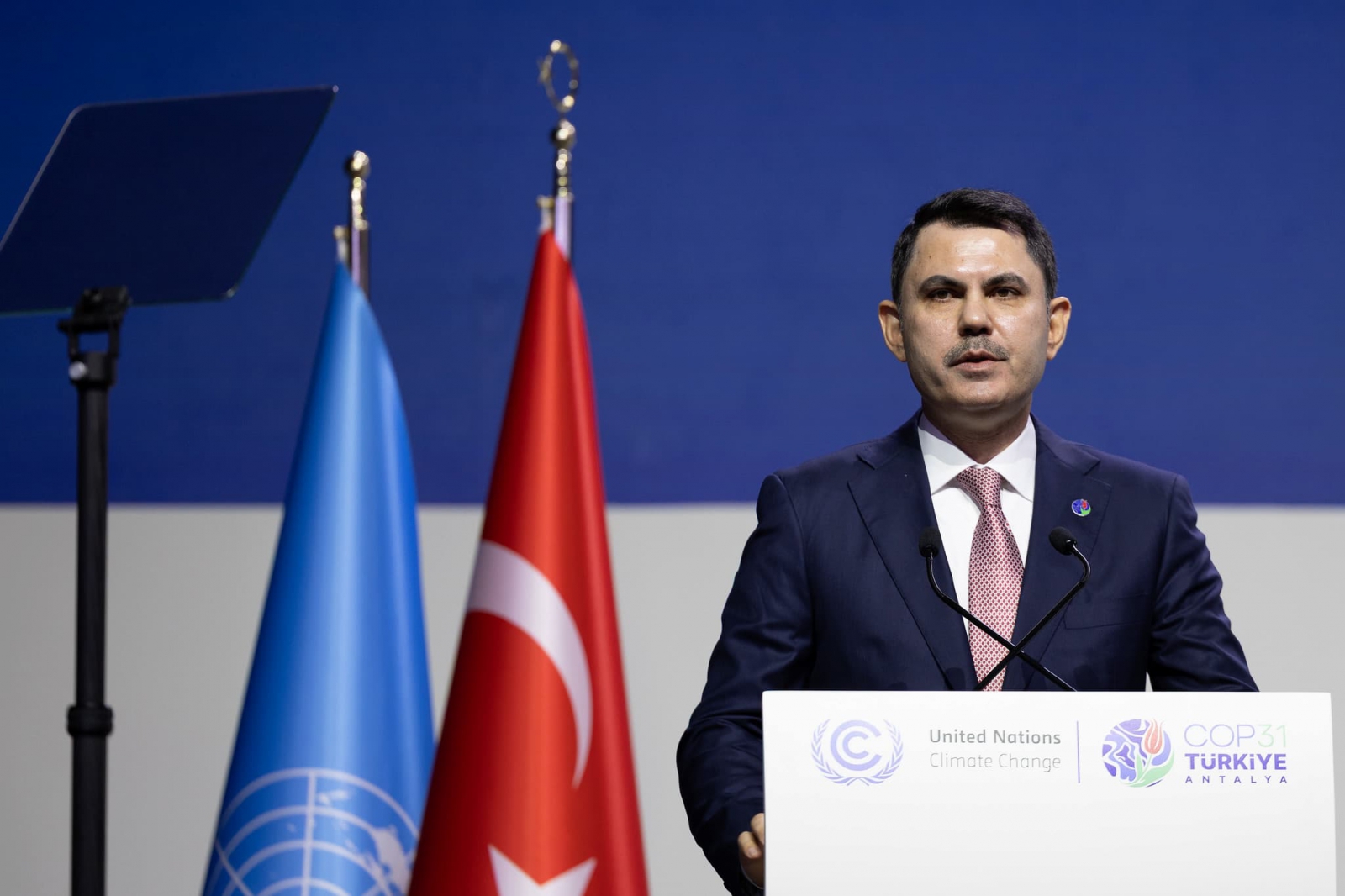
United Nations Secretary-General António Guterres has criticised powerful fossil fuel interests for their influence on global climate action after countries failed to reach consensus on an overarching agreement at the 31st United Nations Climate Change Conference (COP31) in Antalya, Türkiye.
In a statement issued after the conference, Mr Guterres expressed disappointment with the outcome, warning that the failure to secure an agreement came at a time when rising global temperatures and worsening climate extremes demanded more urgent action.
He said the divisions among governments did not change the scientific evidence of the climate crisis or the need to accelerate the transition away from fossil fuels.
“I am deeply disappointed that COP31 has ended without consensus on an overarching outcome,” he said.
“I share the very profound frustration of all those who expected governments to rise to the moment the climate crisis demands.”
He warned that continued dependence on coal, oil and gas was worsening the climate crisis while exposing economies to energy price shocks and undermining energy security.
“Those who profit from the destruction of our planet must never dictate the terms of the fight to save it,” he said.
He accused powerful fossil fuel interests of employing tactics similar to those historically associated with the tobacco industry, including efforts to distort scientific evidence, delay policy decisions and obstruct climate action.
“Yet powerful fossil fuel interests continue to take a page from Big Tobacco’s playbook: distorting the science, delaying policy, blocking action, and piling up huge profits while people everywhere pay the price,” he said.
Mr Guterres’s remarks followed negotiators’ failure at COP31 to reach consensus on an overarching outcome after prolonged disagreements over the fossil fuel transition, climate finance and other contentious issues.
The conference, which opened on 9 November, was scheduled to conclude on 20 November but ran over as countries struggled to resolve differences over the proposed outcome.
Earlier drafts of the conference’s proposed cover decision included provisions relating to the transition away from fossil fuels and increased adaptation finance for developing countries.
However, a revised draft circulated on 19 November removed references to transitioning away from fossil fuels and dropped an earlier proposal specifying at least $120 billion annually for adaptation by 2035.
The changes drew criticism from climate campaigners, who argued that removing explicit commitments on fossil fuels and weakening the clarity of financial provisions risked undermining previous climate agreements.
The failure to adopt an overarching outcome does not, however, mean that all decisions taken during the conference were invalidated. Decisions adopted separately on other negotiating matters remain distinct from the proposed overarching agreement.
Beyond the diplomatic disagreements, Mr Guterres warned that the world was approaching a dangerous threshold in global warming.
Under the 2015 Paris Agreement, countries agreed to hold the increase in global average temperature to well below 2°C above pre-industrial levels while pursuing efforts to limit warming to 1.5°C.
However, global greenhouse gas emissions remain too high to put the world on a pathway consistent with the more ambitious temperature goal.
Mr Guterres said the world was now poised to exceed the 1.5°C threshold, making immediate emissions reductions essential to limit the extent and duration of any overshoot.
“There may be no consensus in the negotiating room. There is no ambiguity in the science,” he said.
“Temperatures keep shattering records. Climate extremes keep intensifying. Emissions remain far too high. And every delay makes our task harder and more costly.”
He called on major emitters to lead efforts to reduce greenhouse gas emissions rapidly this decade, while urging developed countries to fulfil their climate finance obligations.
Mr Guterres also recalled the agreement reached at COP28 in Dubai in 2023, where countries committed to transitioning away from fossil fuels in energy systems in a just, orderly and equitable manner.
That decision marked the first time a UN climate summit outcome explicitly called for transitioning away from fossil fuels.
Mr Guterres said the priority should now be implementing that commitment rather than allowing disagreements at subsequent conferences to delay progress.
He welcomed countries developing concrete transition plans and called for continued work on the roadmaps advanced by the Brazilian COP30 Presidency to transition away from fossil fuels and reverse deforestation and forest degradation.
He said the UN Climate Promise initiative would help countries translate the roadmaps into practical action.
“The task now is to accelerate that transition, finance and deliver it,” he said.
Mr Guterres also renewed calls for developed countries to increase financial support for vulnerable nations facing the consequences of climate change.
Adaptation finance remained a major point of disagreement at COP31, particularly over the scale of funding, developed countries’ responsibility, and how financial commitments would be implemented.