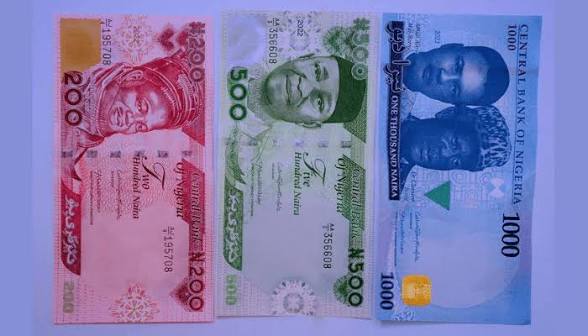

Nigeria wake up every day to a familiar rhythm of struggle, prices rise before the week even begins. Transport cost jumps without warning, and electricity is never steady. Markets are crowded, buses are jammed and people move through their day calculating every step, every naira and every decision.
For years, promises of better governance have floated through speeches and headlines, and the government keeps promising things will get better. Policies change, leaders come and go, but life for most people stays hard, even harder than it should be.
Roads remain rough, services unavailable and basic necessities are increasingly expensive. Amid all these, Nigerians keep going. They adjust, they cope and they survive.
In the streets, in markets, and at homes, a quiet calculation takes place. Every meal, every trip and every small purchase is measured, weighed and planned. Before stepping out in the morning, people ask themselves: can I afford this? What’s the smartest way to spend? How can I make this money last longer? It has become a skill millions practice instinctively, a way of life that comes out of necessity not choice.
What used to be ordinary decisions – buying of food, paying for transport and managing bills – have now become careful calculations. Commuters check prices before taking a bus. They weigh direct fares against walking part of the distance. Families plan meals to make money last, they budget meals not just for preference but for survival. Traders watch prices carefully and adjust their business every day.
Food, once a simple comfort, has become a choice that matters. Choices are no longer about taste or preferences but what stretches the family’s resources longest.
Transportation tells the same story. Buses and shared local rides are often overcrowded because people choose the cheapest option, especially now that fuel prices have gone up, making even short trips costs more. Sometimes, commuters have to walk long distances to save money, or wait for hours for a seat. Daily travel has become a test of endurance, patience and careful thinking. People bend, squeeze and stand shoulder to shoulder just to get to work or school. Time is traded for savings, comfort is traded for necessity and every trip is carefully planned to stretch both money and energy.
Even small things at home are planned carefully – electricity, mobile data, and small outings. Even going out to see a friend can well be thought through, not because people don’t want to, but because it costs money or time. Life is no longer easy. It is carefully planned.
But Nigerians keep going, they find ways to make money stretch, find small solutions and manage what they have. People walk far to save on transportation, skip small comforts and adjust every day without complaining, not because they want to, but because they have no other alternative.
Nowadays, people hardly get the chance to do things on a whim, every day people think of what to buy, how to pay the bills, how much longer will it last or sustain them, is buying this profitable? How do they manage their finances. It’s a really a lot to carry on your head. And this skill of calculating has become a daily routine many of us out there practice every day.
This careful way of living shows patience, skill and resilience that shape the lives of millions. One naira at a time and reminding the world of the quiet strength Nigerians carry every single day.