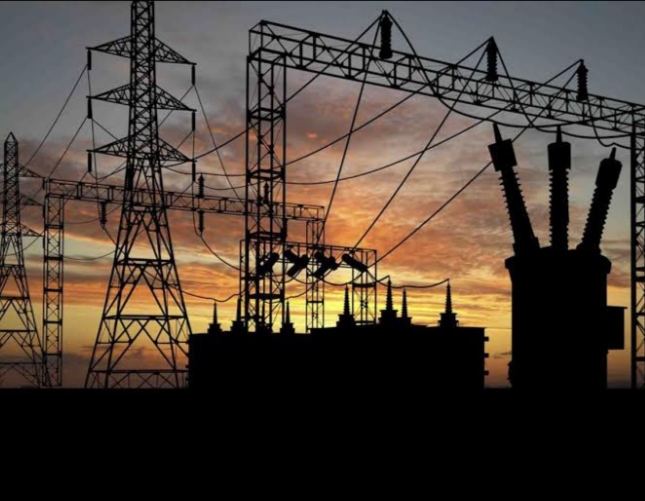
About 15 States in Nigeria are now empowered with the regulatory oversight role on the electricity sector in a bid to enhance electricity service delivery across the country.
Data obtained from the Nigerian Electricity Regulatory Commission (NERC) indicates that Bayelsa is the latest to join the list having been transitioned on February 20th, 2026.
The Flagship News reports that many other states are currently bracing up to meet the requirements and get transitioned in 2026.
According to NERC, the State Electricity Regulators (SERs) are now responsible for driving local market growth, investments and ensuring robust customer protection.
READ ALSO:
Dangote, Pope Leo XIV, Trump, Xi Jinping, Others Named in TIME 100 Most Influential People For 2026‘No More Borrowing,’ Millions Of Users Affected As MTN Suspends Airtime, Data Lending Services
‘Worrisome, Why Now?’ Coalition Kicks As INEC Redeploys Osun REC, Mutiu Agboke
Nigerian Teenager Hacks Celebrities’ WhatsApp, Sells Porn Content to Classmates
“States are taking charge! Under the Electricity Act 2023, 15 states have transitioned to regulating their own electricity markets.” It stated.
The states and their timeline of transitions are: Enugu — 22 Oct 2024; Ekiti — 22 Oct 2024; Ondo — 23 Oct 2024; Imo — 31 Dec 2024; Oyo — 5 Feb 2025 and Edo — 20 Feb 2025.
Others area: Kogi — 12 Mar 2025; Lagos — 4 June 2025; Ogun — 23 June 2025; Niger — 9 July 2025; Plateau — 12 Sep 2025; Abia — 24 Dec 2025; Nasarawa — 3 Feb 2026; Anambra — 1 Jan 2026; and Bayelsa — 20 Feb 2026.
State Electricity Regulators (SERs) in Nigeria play a crucial role in overseeing the electricity sector within their respective states, particularly following the unbundling of the Power Holding Company of Nigeria (PHCN) and the establishment of the Nigerian Electricity Regulatory Commission (NERC). Their primary responsibilities include ensuring fair pricing, improving service delivery, and promoting investment in the electricity sector.
Paragraph 14(b) Part II of the Second Schedule of the 1999 Constitution of the Federal Republic of Nigeria (as amended) and Section 2(2) of the Electricity Act of 2023 (“EA) empowers states in Nigeria to develop and regulate their electricity markets subject to the State of House of Assembly passing a law to that effect. This allows States to regulate electricity operations within their jurisdiction, including power generation, transmission and distribution.
Essentially, Nigeria has evolved from having a central regulated electricity sector to a two-tier sector comprising the Federal Electricity Market (FEM) comprising the various generation companies (GenCos) connected to the national grid operated by the Independent System Operator on one hand; and the various State electricity markets supplied either by State-based GenCos or the FEM and State based distribution companies that are regulated by a State regulator on the other hand.
Under the new legal framework, the Nigerian Electricity Regulatory Commission (NERC) regulates the FEM, and a State electricity regulatory authority regulates the State electricity market (SEM). In implementing the transition to a two-tier electricity regulatory regime, the NERC has issued transition orders for the transfer of regulatory oversight over the State electricity markets.
The Minister for Power, Adelabu has been firm about the “learning curve” required as states begin to take over regulatory autonomy from NERC.
At different fora, he has cautioned that states must not be in a “hurry” to take over if they lack the infrastructure. He emphasized that any state seeking regulatory oversight must have a clear framework to prevent energy theft and vandalism, as well as sufficient capital for infrastructure maintenance.
He stressed that while states now have the legal right to regulate their internal markets, they must maintain “synergy” with the federal level to ensure the national grid remains stable.