A Political Affairs Analyst and member of the Tinubu Support Group in Ondo State, Ajibola Adetula Oludasa, said opposition parties in Nigeria are struggling with internal organisation despite showing strong ambition ahead of the 2027 general election. Speaking on TVC’s talk show, This Morning’ with Yori Folarin, Mr Oludasa argued……
A Political Affairs Analyst and member of the Tinubu Support Group in Ondo State, Ajibola Adetula Oludasa, said opposition parties in Nigeria are struggling with internal organisation despite showing strong ambition ahead of the 2027 general election.
Speaking on TVC’s talk show, This Morning’ with Yori Folarin, Mr Oludasa argued that while several parties are positioning for power, many lack the structural depth required to effectively compete or govern.
Assessing the current political landscape, he said party organisation remains the key differentiator, stressing that building a viable political platform requires deliberate effort from the grassroots to the national level.
“Party structure is a very delicate thing to arrange from the grassroots up until the apex of the party. Now you see people vying for the highest office in the land, they cannot even arrange a party. They cannot put together a grassroots structure, they cannot mobilise,” he said.
Oludasa described the situation among opposition parties as one driven more by urgency for power than preparedness.
“What I see is desperation on the part of the so-called opposition parties. Good intentions are not enough in politics. It needs organisation. The groundwork must be done. You cannot fluke it,” he added.
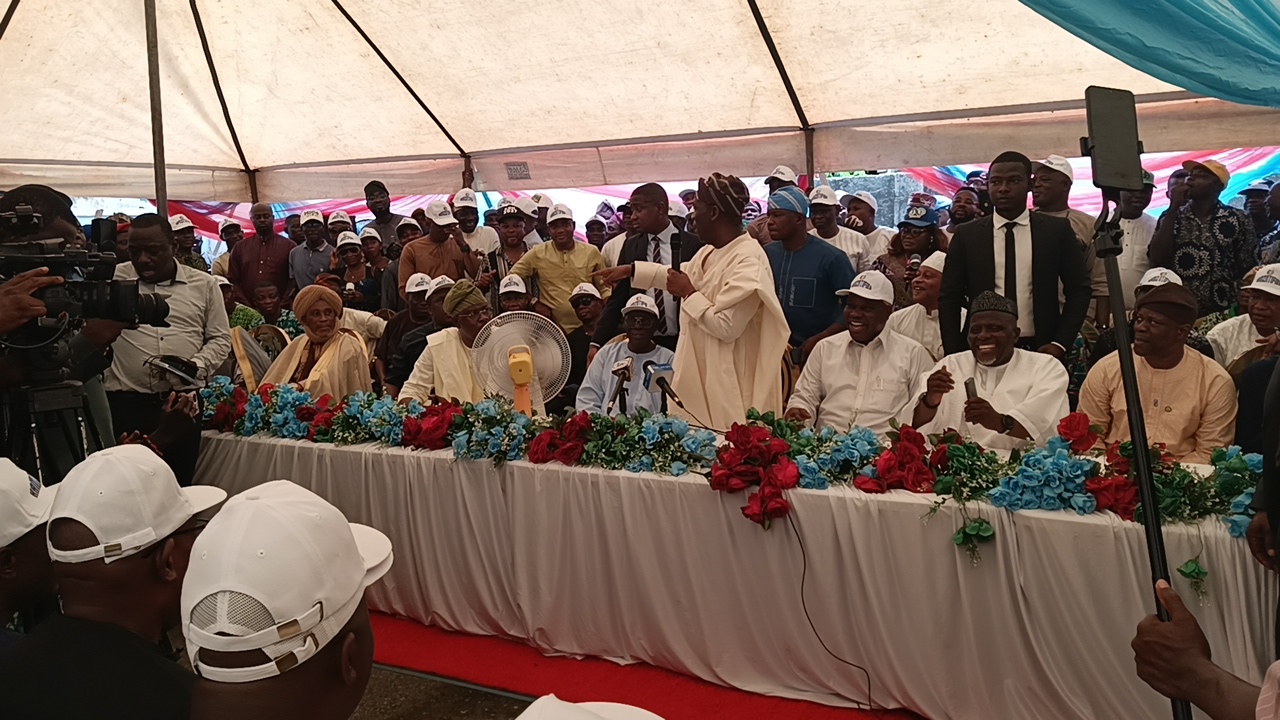
He contrasted this with the ruling All Progressives Congress (APC), which he said has invested heavily in internal coordination and grassroots mobilisation, citing its recent congress in Abuja.
“We hosted about 8,400 delegates successfully. No rancour, no rupture. Everybody was in sync. That level of organisation does not happen by accident,” he said.
According to him, the stability within the APC has contributed to a steady influx of politicians from other parties.
“It’s not coercion. People see stability and say, ‘I want to be part of that. They seem to know what they’re doing,’” Oludasa noted.
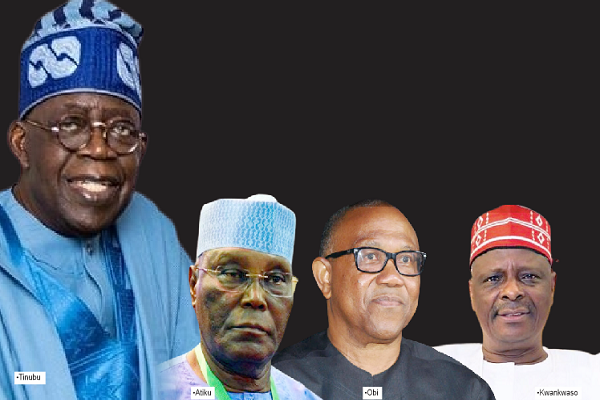
He also questioned the readiness of some presidential hopefuls, arguing that leadership ambition must be backed by institutional capacity.
“If all you want to do is become president, how do you govern? What structures are you going to use? Do you have people in the National Assembly to translate your vision into policy?” he queried.
On concerns about whether new entrants into the APC fully understand its internal dynamics, Oludasa maintained that the party has mechanisms for integration and ideological alignment.
“The APC is a large family and we are very welcoming. But there is a process of assimilation. You come in through the ward, you engage, you understand the vision, and gradually you align with the ideology of progress,” he explained.
He insisted that the party operates on a clear philosophical base centered on governance, inclusion, and development.
“If you want good governance, organisation, and leadership that connects with the people, that is what APC represents. We are progressives, and that is our ideology,” he said.
Oludasa further defended the economic policies of President Tinubu, describing recent reforms as necessary structural adjustments aimed at long-term stability.
He likened the reforms to engineering work on a failing structure.
“What this administration has done is to stop painting a sinking building. We are reinforcing it. When you underpin a building, there will be dust and discomfort, but the end result is stability,” he said.
Addressing concerns over rising living costs, he distinguished between macroeconomic reforms and their delayed impact on everyday life.
“You cannot have a strong micro economy without fixing the macro. There is a lag time. What people feel in the market today is part of that transition, but the fundamentals are being corrected,” he stated.
He added that investments in infrastructure and policy adjustments would eventually ease economic pressures on citizens.
On global economic disruptions, particularly tensions in the Middle East, Oludasa said Nigeria has shown resilience due to strategic policy choices by the current administration.
“Despite global shocks, we did not experience severe scarcity. That is because of initiatives like the naira-for-crude policy. It reduced our vulnerability and showed strategic thinking,” he explained.
The analyst also addressed the debate on whether ideology matters in a developing country like Nigeria, arguing that governance and development can coexist with ideological clarity.
“Some people say ideology should come later, but I believe we can do both – deliver infrastructure and still have a guiding philosophy,” he said.
On the role of governors in the 2027 elections, Oludasa acknowledged concerns about their level of commitment but maintained that many are actively supporting the administration’s agenda.
He cited Governor Lucky Orimisan Aiyedatiwa as an example of a state leader championing the re-election of President Tinubu.
“Our governor is front and centre. He is leading from the front in mobilisation and aligning state policies with the Renewed Hope agenda,” he said.
Oludasa, however, admitted that more effort may be needed to communicate the contributions of governors across the country.
“Maybe we need to do a better job of projecting what they are doing, but many of them are aligned with the progressive agenda,” he added.
Oludasa concluded that organisation and structure of a political party, not just ambition, will determine electoral success. “Power must be earned through structure, preparation, and the ability to govern. Nigerians are watching, and they will make that judgment,” he said.