3 min readApr 17, 2026 06:02 PM IST
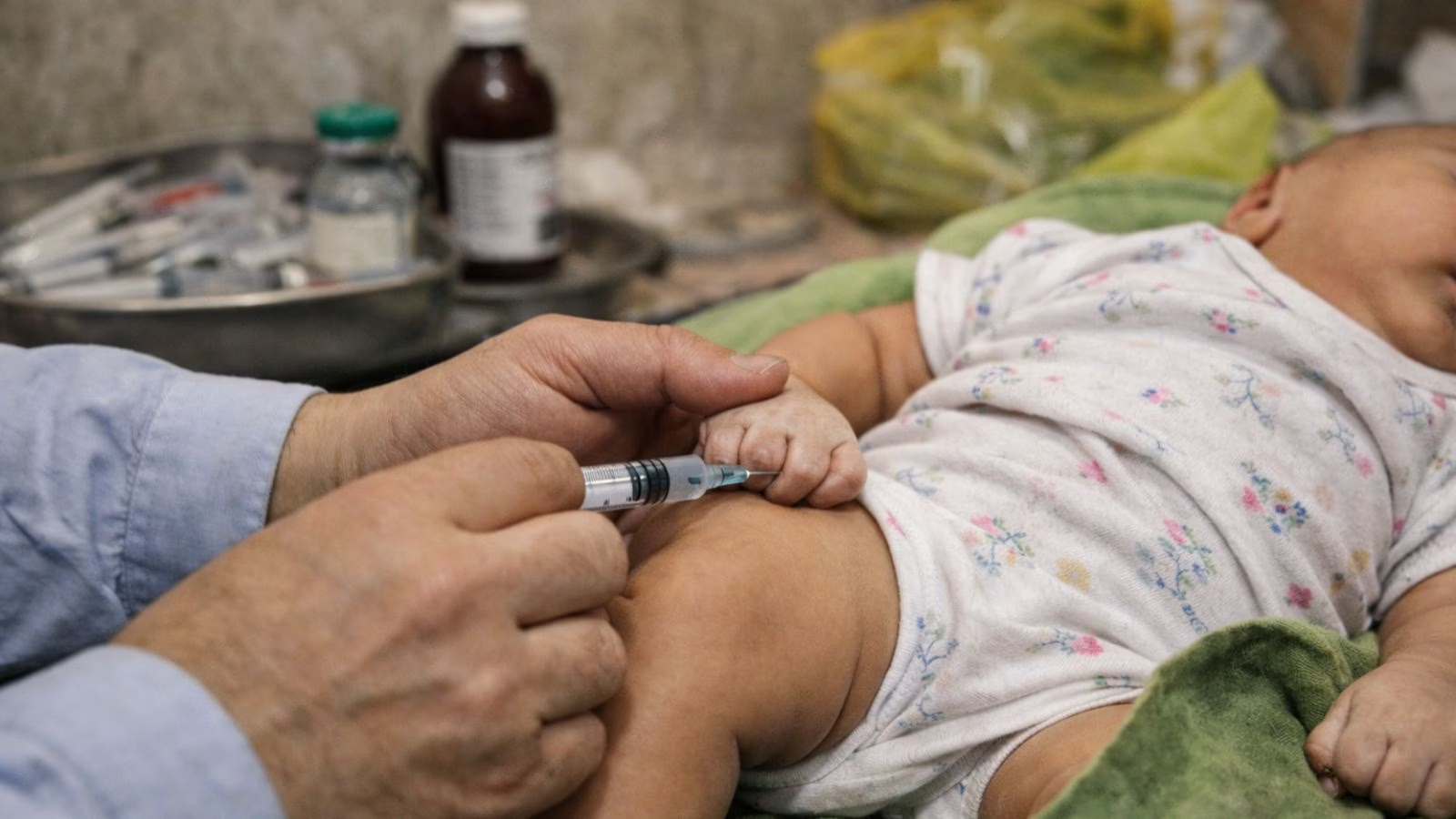
An investigation by the BBC has uncovered alarming lapses in medical safety at a government hospital in Pakistan, where unsafe injection practices are believed to have contributed to a surge in HIV infections among children.
According to BBC Eye, at least 331 children in Taunsa, Pakistan, Punjab province, have tested positive for HIV between November 2024 and October 2025.
Among such victims is an eight-year-old Mohammed Amin, who later died. Many families allege the infections were caused by contaminated needles used during routine treatment at the Tehsil Headquarters (THQ) Hospital.
What the investigation found
Undercover footage gathered by the BBC over 32 hours in late 2025 shows syringes being reused on multi-dose vials on multiple occasions, raising the risk of cross-contamination. In several cases, medicine from the same vial was administered to different children. Experts warned that even replacing the needle does not eliminate the risk if the syringe body is contaminated, the report said.
The investigation also found violations of basic hygiene protocols. Staff were seen administering injections without gloves dozens of times, while improper handling of medical waste was also observed. Infectious disease specialist Dr Altaf Ahmed described the practices as “violating every principle of injecting medicine.”
Unsafe practices despite suspension
The report added that after a doctor at a private clinic linked the outbreak to the hospital, called THQ Taunsa, in late 2024, local authorities promised a “massive crackdown” and suspended the hospital’s medical superintendent in March 2025.
Despite earlier assurances of reform, including the suspension of THQ Taunsa Hospital’s medical superintendent Dr Tayyab Farooq Chandio, in March 2025, the BBC found that unsafe practices persisted months later. Hospital authorities have disputed the findings, suggesting the footage may be outdated or staged, and maintaining that the facility is safe.
Story continues below this ad
Chandio was replaced by Buzdar, who told the BBC that HIV was his “main focus” when he took the job in March 2025 and that he had a “zero tolerance” policy for unsafe infection control.
“We conducted training programmes for the paramedics and staff nurses on how to prevent and defeat HIV. The most important part is our section on infection prevention control. They have been properly trained in this,” he was quoted as saying.
Data analysed by BBC Eye indicates that contaminated needles were listed as the likely mode of transmission in more than half of the cases. Crucially, very few mothers of infected children tested positive, ruling out mother-to-child transmission in most cases.
Stay updated with the latest – Click here to follow us on Instagram
© IE Online Media Services Pvt Ltd