 1 / 10
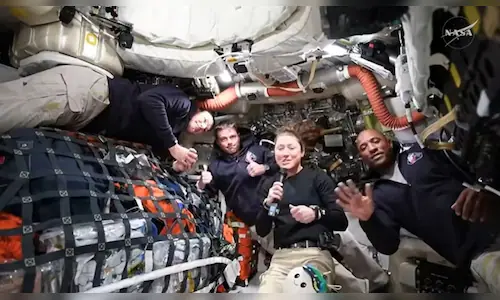
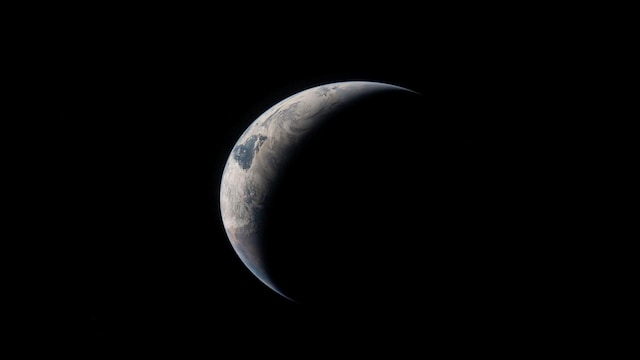
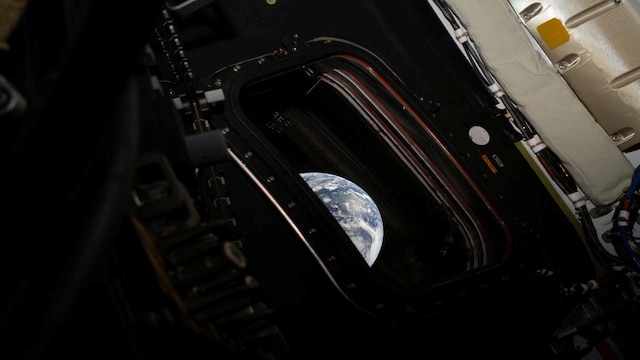
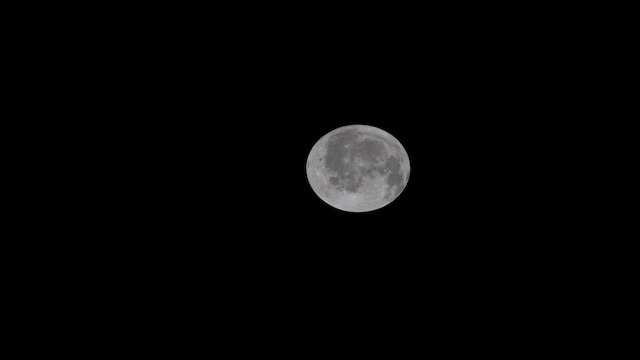
Lunar Entry: NASA said the Artemis II crew entered the moon’s gravitational influence on Monday while travelling toward the far side, placing them on course to become the farthest-travelling humans. Images released during the mission showed views of the moon and Earth through the windows of the Orion, highlighting observations made during the journey.
 2 / 10
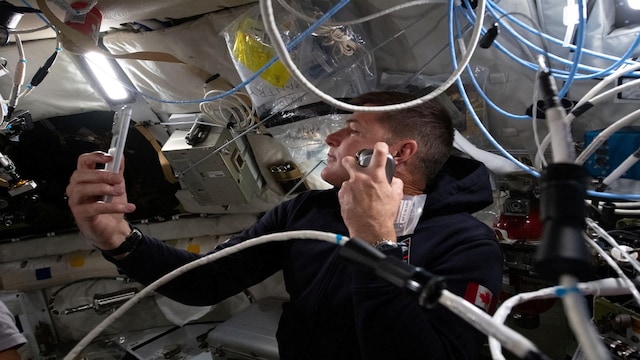
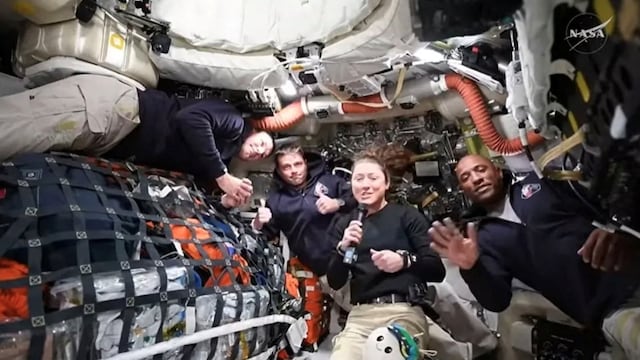
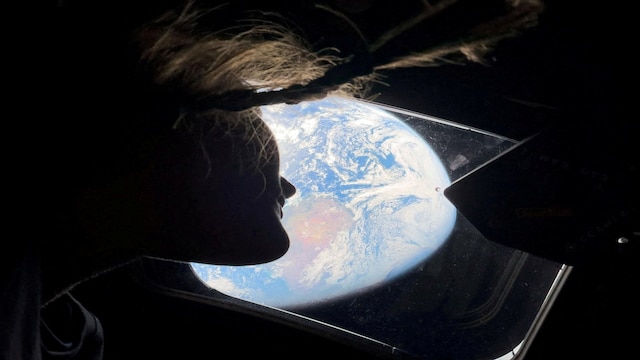
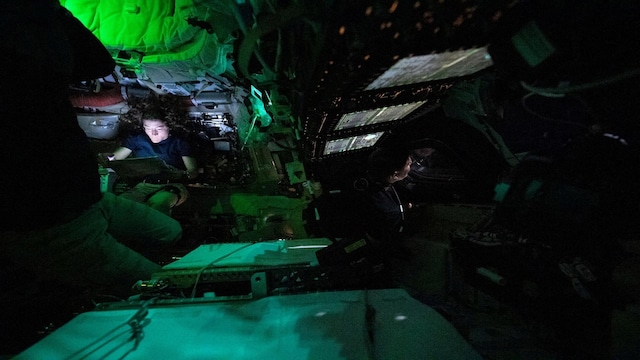
Crew Activities: Photos from flight days showed Canadian astronaut Jeremy Hansen shaving inside Orion before the flyby. Other images captured Earth from orbit, spacecraft inspections using external cameras, and crew members observing space. Christina Koch and Commander Reid Wiseman were seen looking at Earth, while additional images showed onboard lighting conditions and preparations for the lunar flyby.
 3 / 10
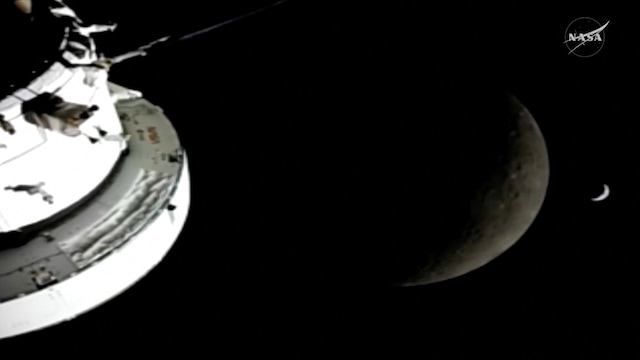
Historic Views: After travelling farther than any previous human mission, the astronauts turned Orion toward Earth Monday night, completing a lunar flyby that provided direct views of the moon’s far side. The mission marks NASA’s first crewed return to the moon’s vicinity since the Apollo era and supports plans to land astronauts near the lunar south pole in the coming years.
 4 / 10
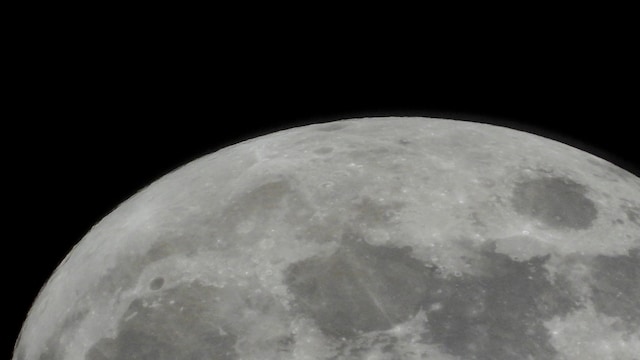
Sky Events: During the flyby, the crew observed a total solar eclipse as the moon blocked the sun. They also reported seeing Mercury, Venus, Mars, and Saturn. The astronauts identified landing areas from Apollo 12 and Apollo 14, connecting current observations with earlier missions.
 5 / 10
Record Distance: Artemis II passed the distance reached by Apollo 13, reaching 252,756 miles from Earth before looping behind the moon, about 4,101 miles farther than Apollo 13. Hansen said the clarity of space views was notable and encouraged future missions to extend exploration further.
 6 / 10
Apollo Message: Mission Control transmitted a recorded message from Jim Lovell to the crew before the flyby. Lovell, who also flew on Apollo 8, welcomed them and noted the importance of the moment. The crew carried an Apollo 8 patch flown by Lovell, which Wiseman described as meaningful to the mission.
 7 / 10
Flight Path: The spacecraft followed a free-return trajectory similar to Apollo 13, using the gravity of Earth and the moon to guide its path without requiring a landing. This route set Orion on a return course after passing behind the moon. Communication resumed once the spacecraft reappeared from the far side on Monday evening.
 8 / 10
Lunar Study: The flyby lasted about seven hours, with the spacecraft coming within 4,067 miles of the surface. The crew observed more than two dozen targets using cameras and phones. They asked to name two craters, Integrity and Carroll, prompting an emotional moment. Wiseman later reported capturing images of Earth and the moon together and shared observations with teams in Houston.
 9 / 10
Return Phase: The closest approach and maximum distance occurred during a planned communication blackout. Orion travelled about 3,139 mph at closest approach and accelerated after passing the moon. An Earthrise view showed parts of Asia, Africa, and Oceania. Mission Control confirmed the return path, and flight controllers marked the shift to the return phase.
 10 / 10
Next Steps: Artemis II is NASA’s first crewed lunar mission since Apollo 17 in 1972, and prepares for future missions including Artemis III and IV. After the flyby, Donald Trump called the astronauts pioneers. Astronaut Victor Glover reflected on Earth’s appearance from space and the shared experience of humanity.